Christ the Redeemer, one of the New Seven Wonders of the Modern World, is one of the most iconic landmarks in Rio de Janeiro and all of Brazil. Perched atop Corcovado Mountain in Tijuca National Park, the monument offers breathtaking panoramic views of the city and is a must-visit for any traveler. In this post, we’ll explore everything you need to know to make the most of your visit to Christ the Redeemer. This imposing monument is a symbol of Brazilian faith, culture, and history, drawing millions of visitors every year.
History and Fun Facts About Christ the Redeemer
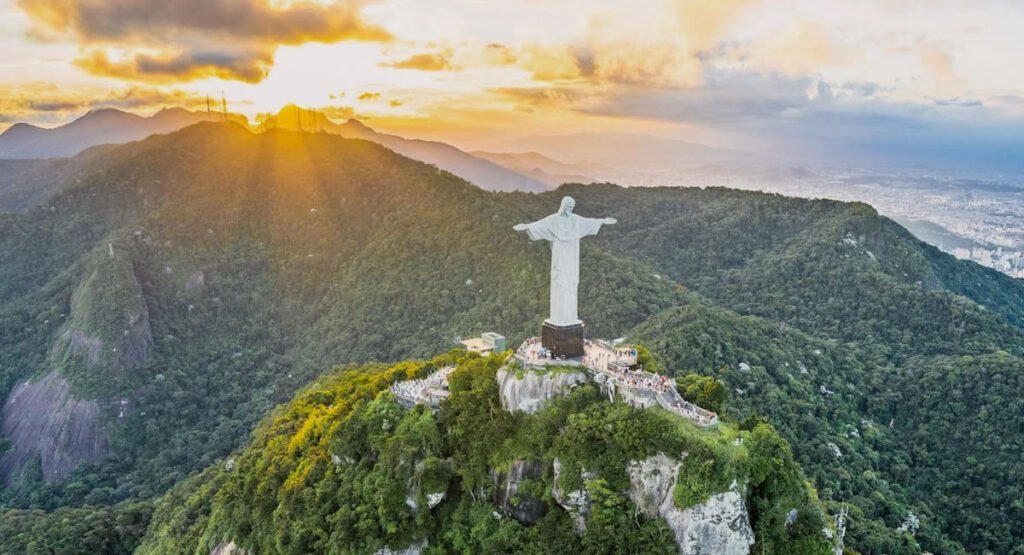
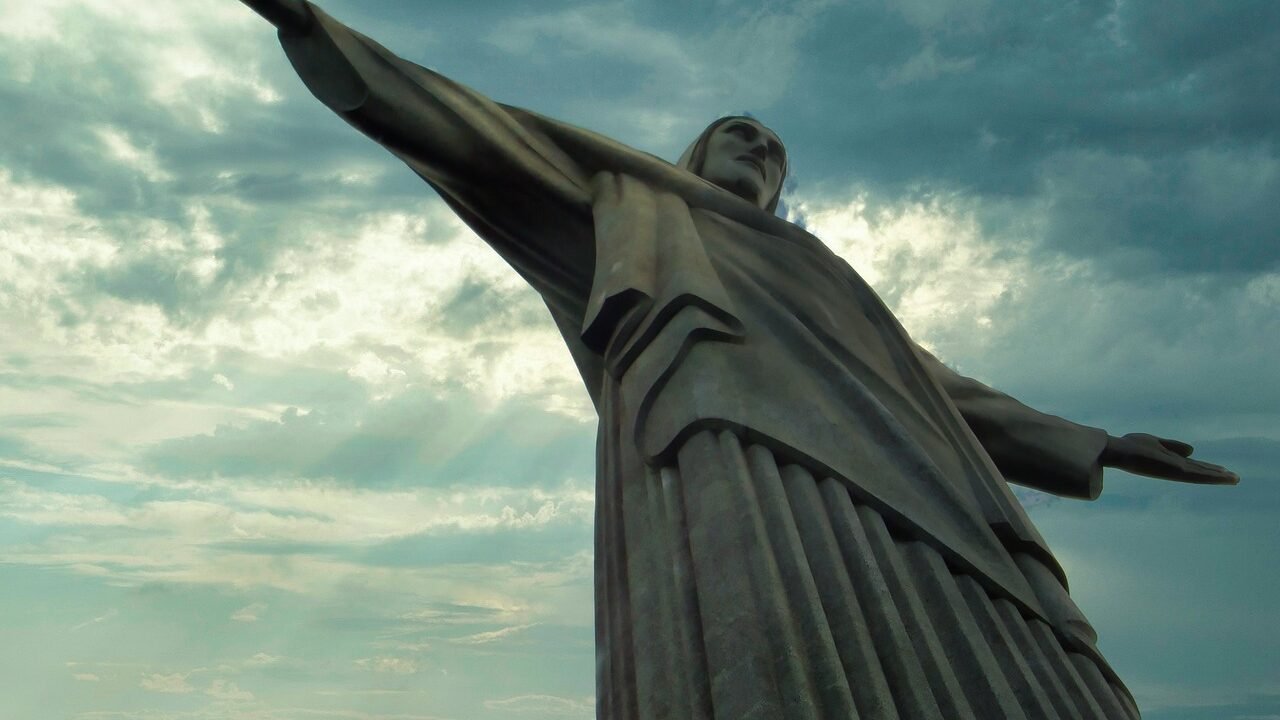
Inaugurated on October 12, 1931, Christ the Redeemer was designed by Brazilian engineer Heitor da Silva Costa and sculpted by French artist Paul Landowski. The statue stands 38 meters tall, including its 8-meter pedestal, and weighs 1,145 tons. Made of reinforced concrete and soapstone, the statue depicts Jesus Christ with open arms, symbolizing peace and welcome.
The Cristo was elected one of the New Seven Wonders of the World in 2007, in a vote organized by the New 7 Wonders Foundation. Beyond being a religious symbol, Christ the Redeemer is a cultural and historical landmark, attracting millions of tourists from around the globe each year.
How to Get to Christ the Redeemer?
There are several ways to reach Christ the Redeemer, each offering a unique experience:
- Corcovado Train: One of the most traditional and popular ways to get there is via the Corcovado Train. The 20-minute ride departs from the Cosme Velho station and winds through the lush Atlantic Forest up to the top of Corcovado Mountain. Tickets can be purchased online or at the station’s ticket office.
- Official Vans: The official vans depart from three main points: Copacabana, Largo do Machado, and Paineiras. This option is practical and convenient, especially during high season when lines can be long. Tickets include round-trip transportation and entry to the monument.
- Hiking Trails: For the adventurous, there are trails that lead to Christ the Redeemer, such as the trail from Parque Lage. This option offers an immersive nature experience but requires physical fitness and a willingness to tackle a steep climb.
Tips for tours at Christ the Redeemer and nearby attractions:
Christ the Redeemer by train and Rio de Janeiro city tour. Duration: 4 hours
Sunrise at Dona Marta viewpoint plus Christ the Redeemer. Duration: 5 hours
Complete Rio de Janeiro tour with tickets. Duration: 8 hours
Best Time and Hours to Visit
To avoid crowds and make the most of your visit, it’s recommended to plan your trip during the low season, which runs from March to June and from August to November. The best times are early in the morning, right after opening, or late in the afternoon, close to closing time. These periods offer ideal natural light for photos and a more peaceful experience.
What to Explore Near Corcovado?
Beyond Christ the Redeemer, the area offers several other attractions worth exploring:
- Tijuca National Park: One of the largest urban forests in the world, the park offers trails, waterfalls, and viewpoints with spectacular views of the city.
- Sugarloaf Mountain: Another icon of Rio de Janeiro, Sugarloaf Mountain offers incredible panoramic views of the city and Guanabara Bay. Access is via cable cars departing from Praia Vermelha.
- Botanical Garden: Founded in 1808, the Botanical Garden is an oasis of tranquility with a vast collection of tropical and subtropical plants, as well as greenhouses and lakes.

Practical Tips for Your Visit
- Advance Tickets: Buy your tickets in advance to avoid lines and guarantee your entry, especially during high season.
- Comfortable Clothing: Wear comfortable clothes and shoes, as the visit involves walking and stairs.
- Sun Protection: Bring sunscreen, a hat, and sunglasses, especially if you’re visiting during the day.
- Stay Hydrated: Bring a water bottle to stay hydrated during your visit.
Cultural Impact and Significance of the Cristo
Christ the Redeemer transcends its role as a tourist attraction. For many Cariocas and Brazilians, it is a symbol of faith, hope, and national identity. The image of Christ with open arms over the city is often associated with the hospitality and welcoming spirit of the Brazilian people.
Beyond that, the monument plays an important role in the city’s events and celebrations. During special dates, such as Christmas or New Year’s Eve, light projections transform the statue into an even more impressive spectacle.

Fun Facts That Will Surprise You
- Christ the Redeemer was voted one of the New Seven Wonders of the World in 2007.
- The statue is struck by lightning an average of three to six times a year. That’s why it has lightning rods built into its structure.
- The monument underwent a major restoration in 2010, which included the installation of 60 security cameras and new lightning rods.
- Inside the statue, there is a small chapel where masses and even weddings are held.
Preservation and Sustainability

In recent years, there has been a growing effort to make visiting Christ the Redeemer more sustainable. This includes implementing conservation measures, using solar energy, and promoting responsible tourism practices. Visitors are encouraged to contribute to these efforts by respecting the site’s rules and minimizing their environmental impact.
Truly an Unmissable Experience
Visiting Christ the Redeemer is so much more than just checking an item off your tourist attraction list. It’s an opportunity to connect with the history, culture, and natural beauty of Rio de Janeiro. From the top of Corcovado, with the marvelous city at your feet, you’ll understand why Rio is known as the “Marvelous City.”
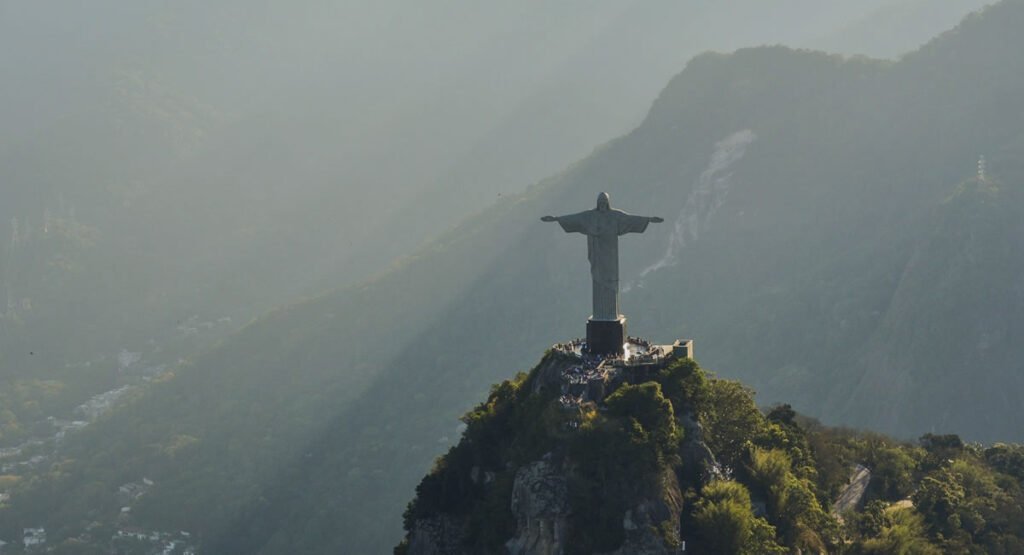
Whether you’re there to take in the breathtaking view, admire the engineering behind the monument, or simply soak up the unique energy of the place, a visit to Christ the Redeemer promises to be the highlight of your trip to Rio de Janeiro. Plan ahead, follow our tips, and get ready for a truly unforgettable experience.
Remember: Rio de Janeiro and Christ the Redeemer are waiting for you with open arms!
If you’ve made it this far and don’t know our site yet, start by checking out the Catedral de Pedra in Canela — our site has special content on religious tourism.
Credit Featured image