Why is the Catedral de Pedra in Canela so captivating?
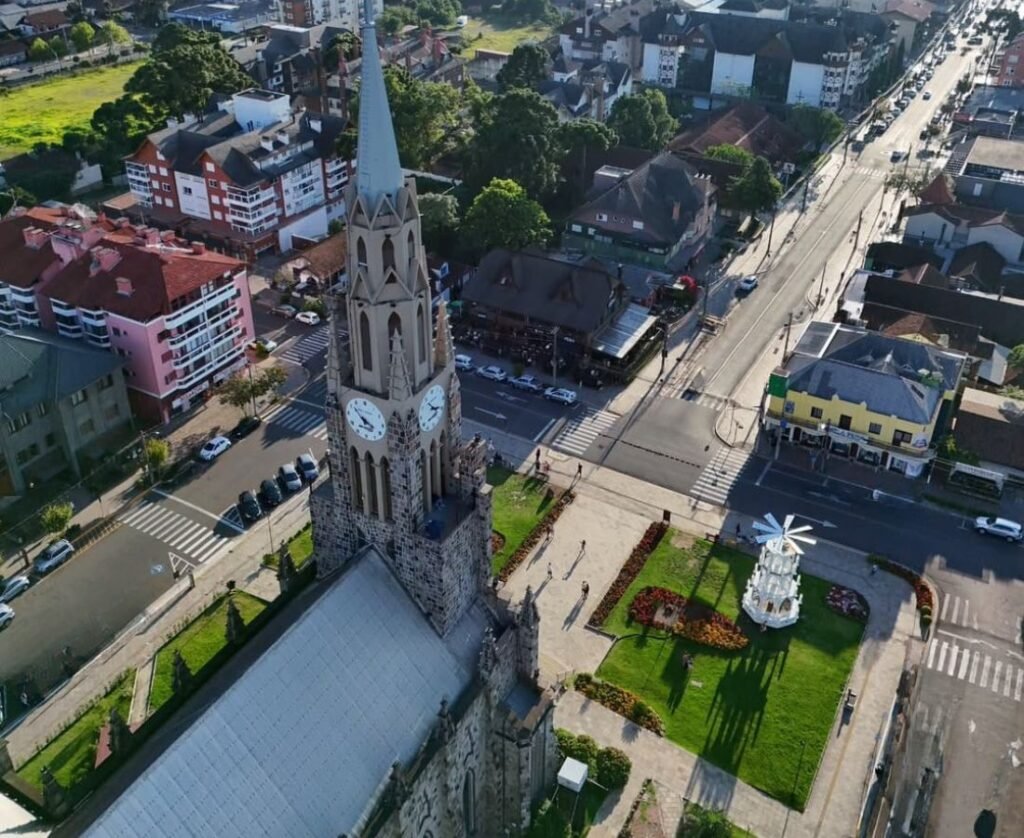
Have you ever been moved just by looking at a place? The Catedral de Pedra in Canela, officially known as the Cathedral of Our Lady of Lourdes, has that power. Located in the heart of the Serra Gaúcha, it’s one of the most photographed churches in Brazil — and for good reason. The grandeur of its 65-meter tower and its European neo-Gothic style create a fascinating contrast with the sky of the small town of Canela, in Rio Grande do Sul.
But it’s not just the architectural beauty that draws visitors in. What truly captivates is the atmosphere: a blend of spirituality, history, and a fairy-tale setting. Walking around the cathedral, especially at dusk, is a complete sensory experience — from the typical cool mountain breeze to the distant sound of bells echoing with nostalgia.
This article is for you if you’re planning a trip to Canela or just dreaming about it. We’ll dive deep into everything the Catedral de Pedra has to offer, with practical info, sensory tips, and a heartfelt look at this postcard of Brazilian tourism.
A work of faith, stone, and time
The story of the Catedral de Pedra begins modestly, like so many countryside churches. In 1937, the Catholic community of Canela started building a small wooden temple. It was there that the first traces of local faith emerged, reflecting the influence of the European immigrants who settled the region.
As the town grew, so did the need for something more grand. In 1953, under the leadership of Father Theodor Amstad and the design of architect Bernardo Sartori, construction began on the current structure made of basaltic stone, a material abundant in the region. The work took over three decades to complete, finishing only in the 1980s.
Tip: Check out the 10 best attractions in Gramado and Canela
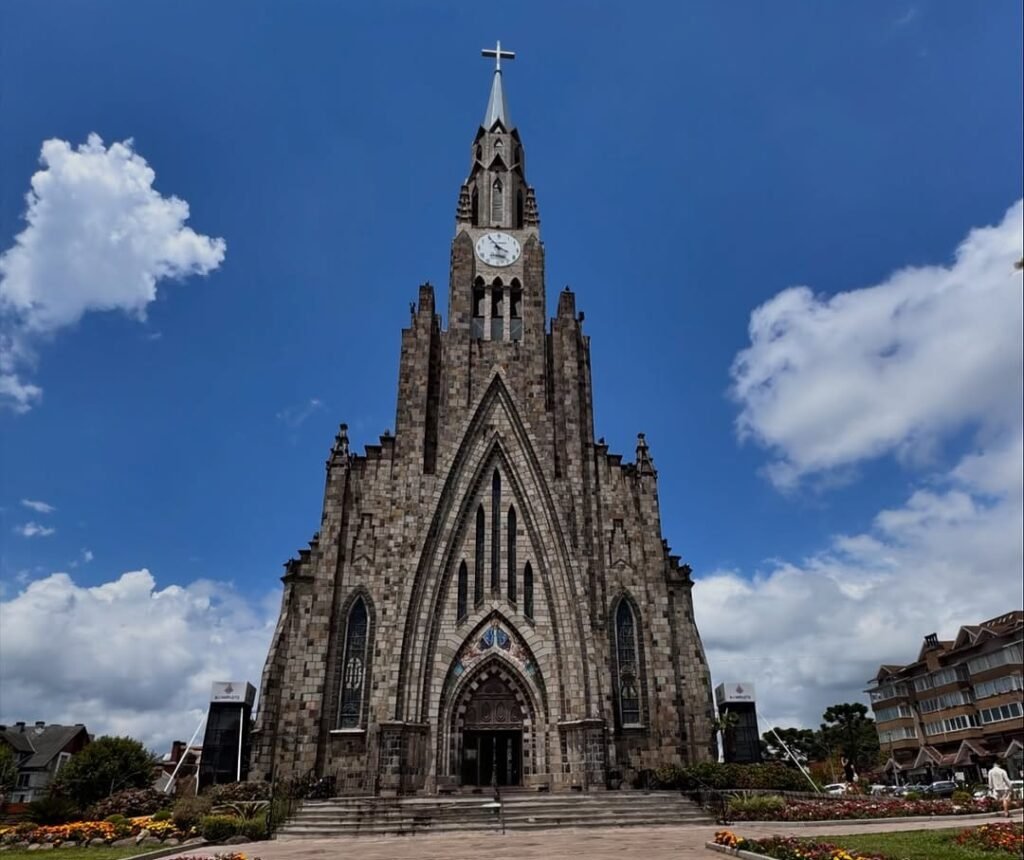
The community’s collective effort was essential to raising the cathedral. Each stone was carved and placed by hand, and the stained glass windows came directly from São Paulo, crafted by Brazilian sacred artists. The 65-meter tower is crowned by a carillon with 12 Italian bells, precisely tuned to create harmony during liturgical concerts.
More than a building, the Catedral de Pedra represents the spirit of Canela: resilient, collaborative, and aesthetically enchanting. It’s a monument where faith, culture, and landscape unite in perfect symbiosis.
From a small parish to national fame
For many years, the cathedral was known only regionally. But with the growth of tourism in the Serra Gaúcha and the rise of events like Natal Luz and the Winter Festival, Canela began sharing the spotlight with its neighbor, Gramado — and the church quickly became a star.
TV shows, drone videos on social media, and travel magazine covers spread the image of the Catedral de Pedra far and wide. It came to represent not just Canela, but the charm and elegance of mountain tourism in Brazil.
Today, it’s impossible to talk about the Serra Gaúcha without mentioning this church. And even those who aren’t religious feel there’s something special about it — maybe it’s the respectful silence inside, or the little shiver you get climbing the stone staircase.
Cultural recognition and neo-Gothic architecture
In 2010, the Catedral de Pedra was voted one of the seven wonders of Brazil in a popular poll. This recognition further strengthened its symbolic and touristic value, elevating the church to the status of cultural heritage.
Its neo-Gothic style is a well-preserved rarity in Brazil. The vertical lines, pointed arches, and rose windows directly reference the architecture of 13th-century European churches, like those of Notre-Dame (France) and Cologne (Germany). However, the Canela cathedral is unique: it blends the Gothic base with local materials and a visual lightness adapted to the Brazilian climate and culture.
It’s this balance between grandeur and warmth that makes visitors feel part of something bigger, even without knowing the full story behind the stones and stained glass.
What makes the Catedral de Pedra so special?
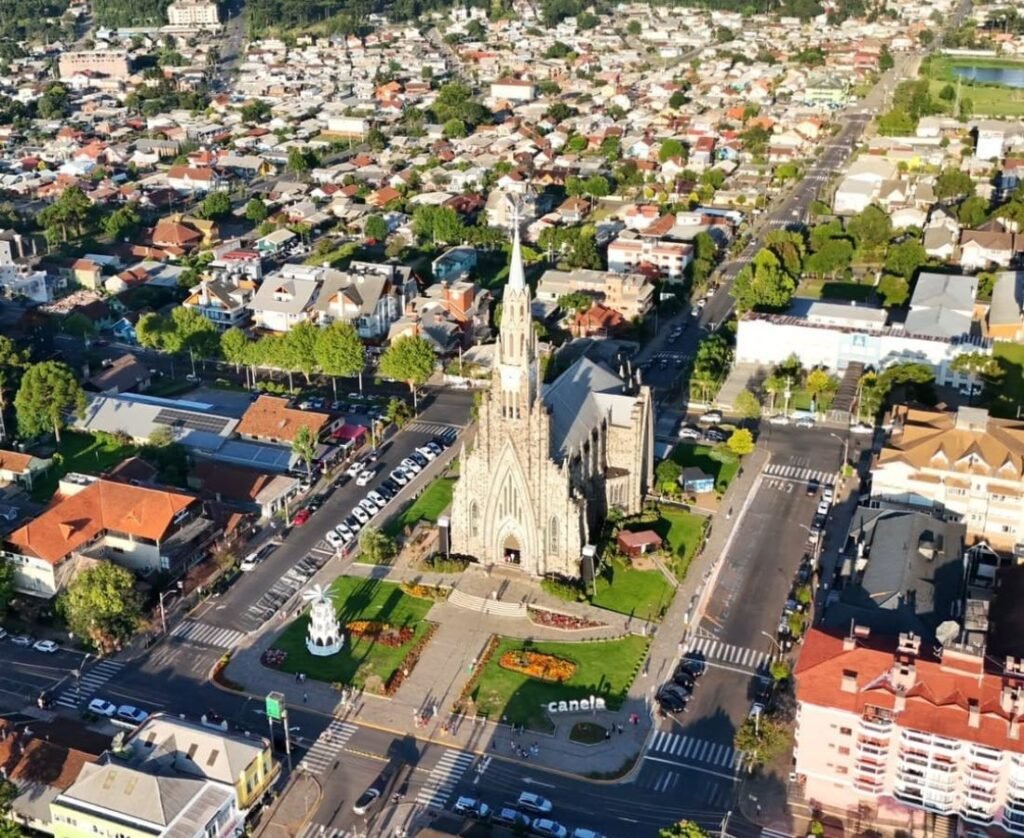
As you approach the square where the cathedral stands, the first impact comes from the vertical dimension of the tower. It commands attention from afar, but as you get closer, your eye is drawn to the details: relief sculptures, carved columns, stone flowers.
The interior is simpler than the exterior promises — and that’s intentional. The wooden pews, delicate altar, and colorful stained glass create a silent environment where light enters filtered, giving the space a sacred touch.
Around it, well-kept gardens and benches invite you to rest. There are street artists, photographers, and even brides posing for wedding pictures. All of this contributes to an atmosphere celebrating life, art, and spirituality.
It’s a place where you can breathe in beauty — not that industrialized kind, but an aesthetic built with time, history, and faith.
The stained glass and the sensory touch of light
The stained glass windows of the Catedral de Pedra are a spectacle in themselves. Created by sacred artist Lorenz Heilmair, they depict biblical scenes and moments from the life of Our Lady of Lourdes, the church’s patron saint. When the sun passes through these colorful panels, the cathedral’s interior transforms.
The filtered light casts soft colors onto the stone floor and wooden pews. It’s common to see visitors standing still, just contemplating the effect of the light. It’s no exaggeration to say many leave feeling moved.
For photography lovers, the tip is to go in the morning, when the sunlight enhances the warm tones of the stained glass and creates stunning images, even with a phone camera.
The 65-meter tower and the hidden viewpoint
Although climbing the main tower isn’t open to the public, there’s a discreet viewpoint in the cathedral’s surroundings that offers a privileged view of the town of Canela and the Serra Gaúcha.
Few tourists know this, but the square next to the church offers an elevated observation point — especially at sunset, when the sky turns shades of orange. From there, you can capture the full magnitude of the structure and the mountain horizon.
It’s worth seeking out a local guide to discover less obvious spots for photos and quiet contemplation. After all, the best view isn’t always in the most obvious place.
The Night Lights Up: A Spectacle of Lights and Sound
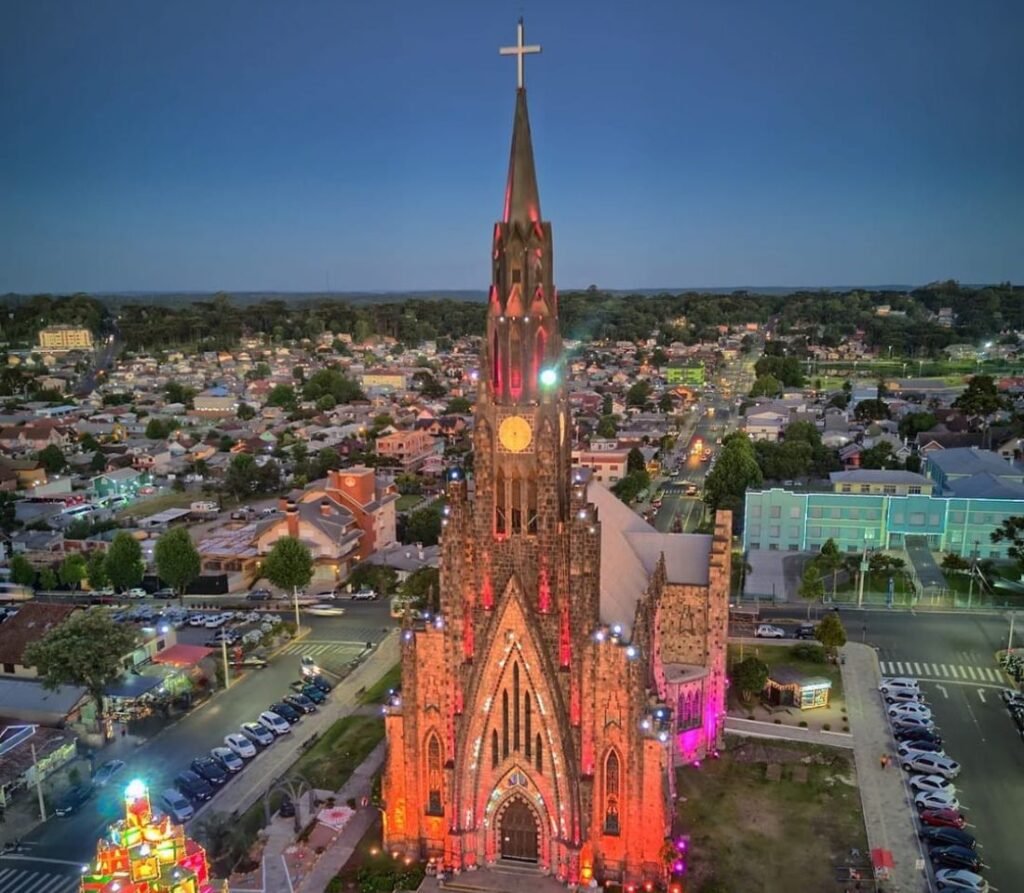
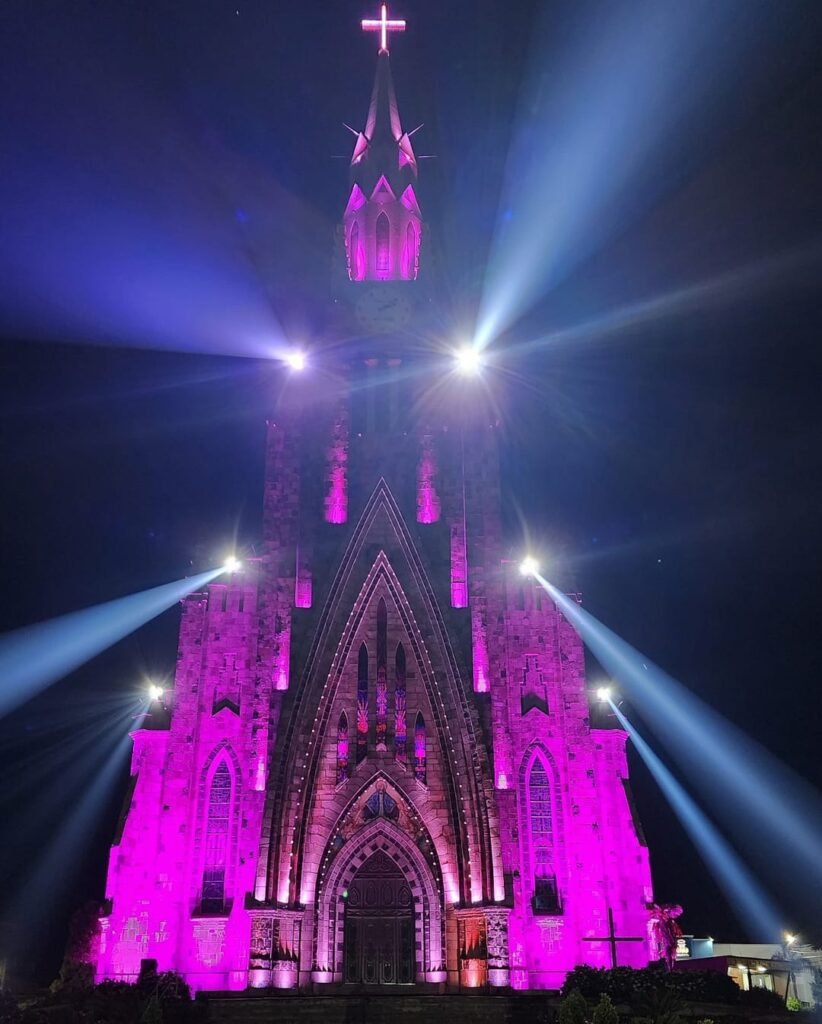
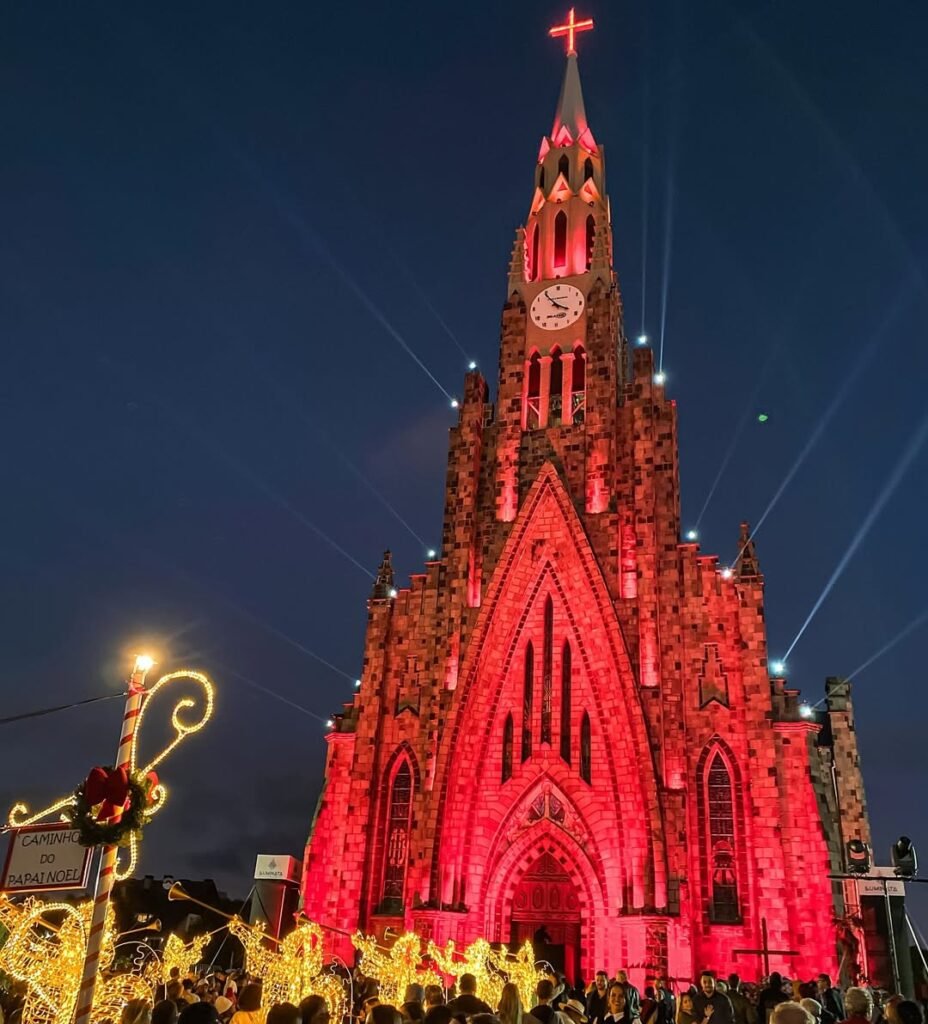
At night, the Catedral de Pedra comes alive. The facade is illuminated by warm-toned spotlights that highlight its Gothic forms and create an almost magical aura. On special dates—like Christmas, Easter, and Corpus Christi—the site becomes the stage for audiovisual shows with mapped projections.
The light show is free and delights people of all ages. Kids marvel at the dancing colors; adults are moved by the soundtrack that echoes among the stones.
Even on ordinary nights, the evening visit is worth the trip. Bring a jacket and enjoy the silence, broken only by the sound of the bells.
Flavors All Around: Cafés, Chocolate, and Fondue
Stepping out of the cathedral, you’re surrounded by charming cafés and artisanal chocolate shops. Canela is one of Brazil’s chocolate capitals, and tasting a warm truffle or a creamy hot chocolate is all part of the experience.
For something more hearty, the surrounding restaurants offer fondue, pasta, and gaúcho-style meats. A tip is to look for spots on streets branching off the main one: they’re usually quieter and offer great value for money.
The sensory experience is complete: eyes, ears, smell, and taste celebrate in perfect sync.
Special Events and Celebrations
The Catedral de Pedra is also a stage for religious and cultural events. Masses are held frequently, especially on Sundays and important liturgical dates.
During Christmas, the city transforms with the “Sonho de Natal de Canela” (Canela’s Christmas Dream). The cathedral gets themed decorations and hosts choirs, open-air nativity plays, and musical performances. It’s an inclusive and moving spectacle that tends to touch even the most skeptical.
If you can, plan your trip to coincide with these dates. The experience is deeply immersive.
How to Get There, Prices, and Updated Hours
Canela is about 7 km from Gramado and 125 km from Porto Alegre. You can get there by car, bus, or tourist transfer. The Catedral de Pedra is right in the center, easily accessible on foot or by bike if you’re staying nearby.
Visiting the church is free. To attend masses or special events, just check the schedule on the website catedraldepedra.com.br
Hours tend to vary depending on the time of year, so it’s always worth confirming before your visit.

Practical Information
For those seeking concise info on the Catedral de Pedra in Canela.
Website www.catedraldepedra.com.br.
Address: Praça da Matriz, 69, Centro, Canela – RS.
Phone: (54) 3282-1132 WhatsApp at (54) 99298-9897.
Mass times are:
- Monday to Friday: 6:30 PM
- Tuesday: 7 AM (additional)
- Saturday: 6 PM
- Sunday: 8 AM, 10:30 AM, and 6 PM
Remember that the Light Show usually takes place at 8 PM, 9 PM, and 9:45 PM, but it’s always a good idea to confirm the schedule on the official website, especially on holidays and during event seasons.
Best Time to Visit and Weather
The climate in Canela is typical of the highlands: cold in winter, mild in summer. The best time to visit is from April to August, when the low temperatures match the church’s aesthetic and special events take center stage.
But heads up: July and December are peak season months. If you want to avoid the crowds, opt for May or September.
Regardless of the season, bring a warm layer and comfortable shoes—and be prepared for quick weather changes.
Photographer Tips and Local Insider Secrets
If you want to capture the best light for photos, go between 9 AM and 10 AM or after 4 PM. Bring a wide-angle lens to capture the full facade and, if possible, a lightweight tripod for night shots.
Local guides point to a side alley, to the right of the cathedral, where you can get a less conventional but very photogenic framing. And it’s worth asking about spontaneous events, like choir rehearsals or musical performances that sometimes happen unannounced.
Keep an ear out for the ringing of the bells—they’re always an invitation to look up and take it all in.
A Quick Hop to Gramado: A Combined Itinerary
Gramado is so close it’s practically an extension of your itinerary. You can visit both destinations in the same day, but the ideal is to stay in Canela for at least one night to soak up its more laid-back vibe.
The contrast between Gramado’s cosmopolitan elegance and Canela’s cozy charm makes the experience even richer.
And of course: both cities share Brazil’s most famous Christmas spirit.
Plan Your Visit with Calm and Wonder
Visiting the Catedral de Pedra in Canela is more than just ticking off a tourist checklist. It’s about diving into an atmosphere that blends history, faith, and beauty with the simplicity of small southern towns.
Allow yourself to contemplate at a leisurely pace, notice the details, and feel time slow down. Because in Canela, every moment is an invitation to pause.