Planning a trip to Gramado is less about finding a single “best time” and more about choosing the scenery that fits you best. This city in the Serra Gaúcha, sitting at about 830 meters above sea level, offers attractions and experiences that change their character throughout the year, shaped by the climate, major events, and visitor flow. In practical terms, winter delivers the cold many are seeking, the Natal Luz (Christmas Light) festival dominates the calendar from spring to summer, and autumn tends to please those who prefer tranquility with mild temperatures. Understanding how each season behaves is the surest way to lock in your dates without any surprises.
Gramado’s Climate in a Nutshell
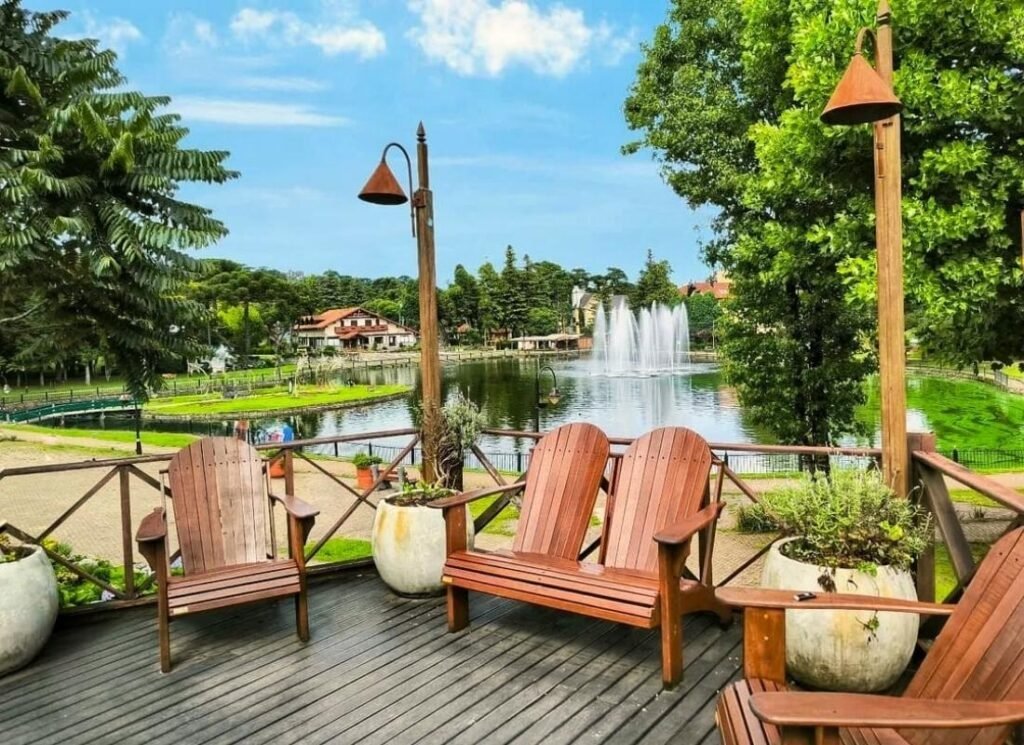
Gramado has a temperate highland climate with oceanic influence, which means summers that range from mild to warm and winters that are cold and damp. Cold fronts are frequent, fog appears at different times of the year, and rain is relatively well-distributed throughout the months. In winter, mornings can start with frost and lows near 0°C (32°F), while afternoons tend to be crisp. In summer, days are usually pleasant, with hotter spells, and the mountain breeze helps ease the heat index. Snow, so tied to Gramado’s image, can happen in some years, but it’s rare and impossible to predict far in advance; it’s not a guaranteed event to build your itinerary around.
Winter: European Charm, Cozy Fireplaces, and That Cold You’re Looking For
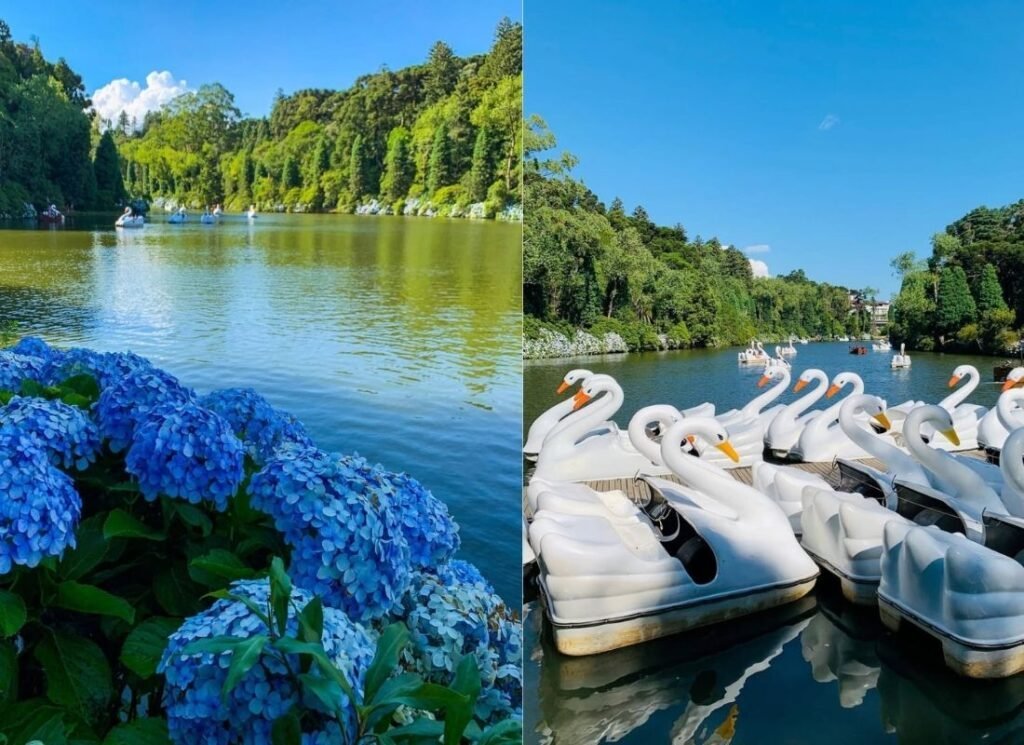
Between June and August, Gramado fully embraces its “winter city” fantasy that captivates Brazilians from all over the country. The cold is real, woolen clothes come out of the closet, and the scent of hot chocolate mingles with the perfume of lit fireplaces. It’s a fantastic time for long dinners, endless fondue, colonial-style coffee houses, and wines from the Serra Gaúcha, as well as more contemplative outings like Lago Negro (the city’s famous black lake), Rua Coberta, and themed museums. Nights can be freezing, fog is common on some days, and the chance of frost is higher on clear early mornings. If you’re curious about snow, remember: when it does fall, it’s usually quick and localized; count on the cold and consider the Snowland experience, the indoor snow park, if you want guaranteed snow play on any date.
July is traditionally the peak of the winter high season due to school holidays, and August stays busy, especially during the Gramado Film Festival week, when the Palácio dos Festivais rolls out the red carpet and the Kikito trophy makes headlines. Accommodation prices go up, restaurants fill up during peak hours, and some attractions have lines. In return, the atmosphere is festive, storefronts showcase winter collections, and the city buzzes with an intense schedule. Those seeking romance, great food, and an almost European vibe usually come back enchanted.
Spring: Blooming City, Hydrangeas, and Pleasant Days
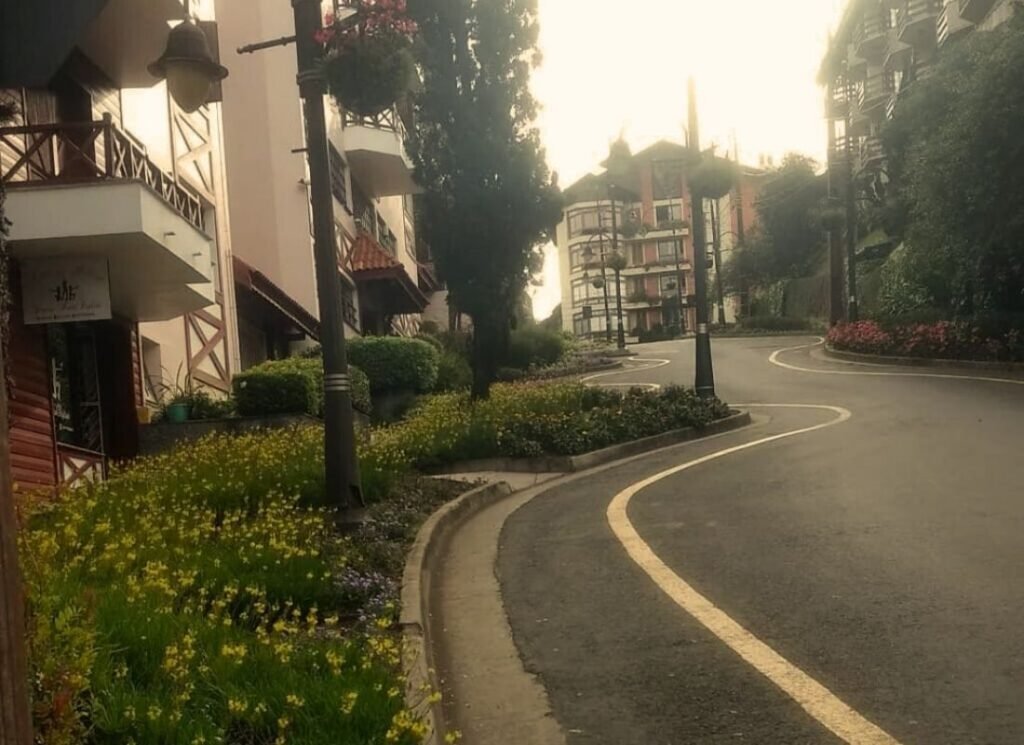
From September to November, Gramado enters renewal mode. Days get longer, temperatures rise gradually, and gardens, squares, and avenues show their best side. Hydrangeas, the region’s signature flower, start blooming in full force in late spring and stay beautiful into early summer, making for classic photos along the tree-lined paths and flowerbeds of Borges de Medeiros Avenue. It’s a very comfortable time for walking, outdoor activities, and exploring places like Le Jardin Parque de Lavanda, Mini Mundo, and Lago Negro itself, which takes on an even more intense green as the season progresses.
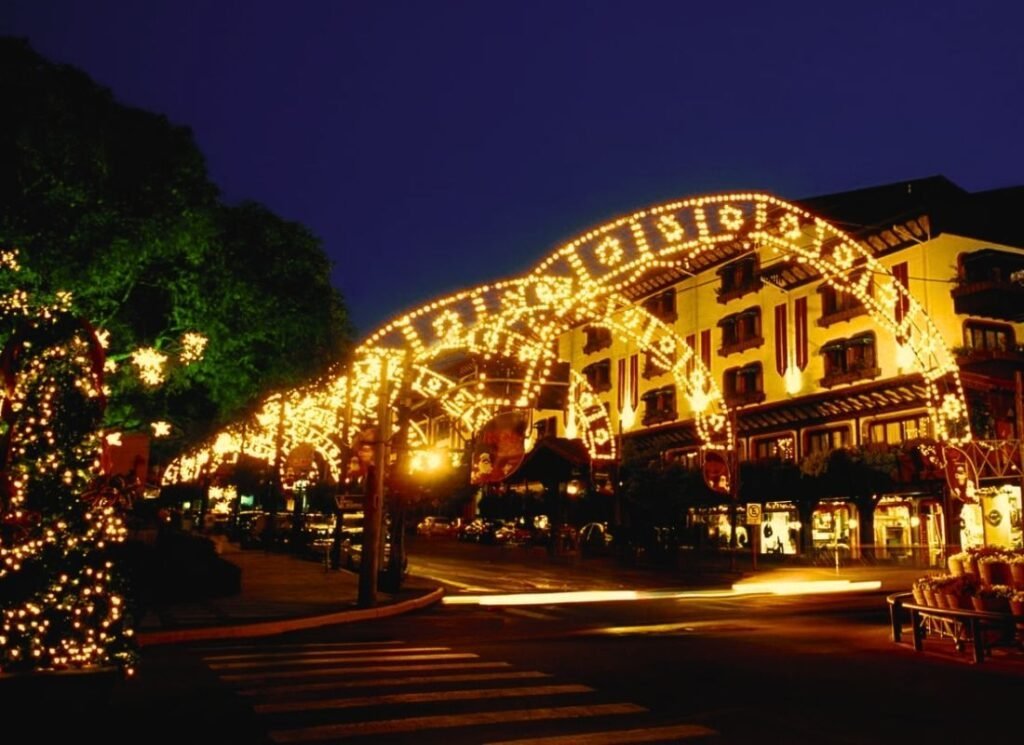
Spring also marks the lead-up to Natal Luz, the city’s biggest event, which typically kicks off between late October and early November and runs until mid or late January. Once the lights come on, demand for hotels and tickets surges, especially on weekends. If you want to see Gramado in bloom, with mild weather and less hustle, September and the first half of October tend to be calmer. But if you dream of the city all lit up and themed, prioritize the period from the start of Natal Luz, knowing that occupancy rises and booking ahead makes all the difference.
Summer: Family-Friendly Fun and Nature at a Leisurely Pace
Between December and February, Gramado combines a vacation vibe with lush nature. Days can be hot, especially during typical southern heat waves, but the altitude moderates much of the time, and nights are usually cooler than in nearby capitals. It’s a great time for families, with plenty of attractions in climate-controlled environments and outdoor experiences. The city is especially lovely for morning strolls around Lago Negro, bike rides, picnics in green areas, and visits to theme parks. Natal Luz keeps December and New Year’s Eve buzzing, drawing big crowds; January maintains the high-season pace due to school holidays. In February, outside of holidays and Carnival, some days tend to be quieter, though Gramado is rarely “empty.”
If you’re sensitive to heat, it’s worth prioritizing outdoor activities in the early hours of the day, alternating with indoor visits in the afternoon when temperatures climb. Choosing accommodations with good air conditioning and planning meals at less crowded times helps keep the experience light and comfortable.
Autumn: Golden Landscapes and Culinary Experiences
From March to May, the Serra Gaúcha takes on ochre tones, the weather stabilizes, and the city reveals a quiet charm that makes autumn the favorite choice for many seasoned travelers. Temperatures are pleasant, with fresh mornings and afternoons that invite unhurried walks. It’s the ideal time for those who want to enjoy the local cuisine without lines, photograph the colorful leaves in the squares, and take things slow. In typical years, there are fewer storms than at the height of summer, and late afternoons can offer memorable sunsets.
This period also holds traditional events. Easter usually brings themed decorations, cultural programming, and activities for kids, boosting demand between March and April. Around those dates, it’s natural for nightly rates and tickets to get more competitive. Shortly after, the Festa da Colônia celebrates the region’s European immigrant roots with typical cuisine, dances, and colonial products, usually in the fall, reinforcing the area’s welcoming spirit. For those wanting great food, balanced temperatures, and a more serene pace, autumn delivers excellent value.
High, Shoulder, and Low Season: How Prices and Crowds Stack Up
Gramado is a bustling destination year-round, but there are clear peaks in demand. The high season is concentrated in winter, especially July, and during the Natal Luz period, from late October to mid-January. Extended holidays like Easter, Corpus Christi, and national dates also cause temporary spikes in occupancy and rates. Outside those moments, the city moves between a stable shoulder season and calmer periods on weekdays.
If saving money and skipping the crowds are your top priorities, it’s worth targeting the shoulder-season windows—like the second half of August outside the Film Festival dates, part of September before Natal Luz kicks off, a few weeks in March and May outside of Easter and nearby holidays, and stretches of February outside Carnival. There’s no guarantee of an “absolute low season,” but your odds of finding more competitive rates and roomier attractions are much better in these windows. No matter when you go, booking ahead and keeping your dates flexible will help you snag the best deals.
Events That Can Shape Your Travel Dates
Some events anchor the city’s calendar and can be the deciding factor in when to go. Natal Luz, with its parades, shows, and monumental decorations, transforms Gramado from spring into summer and draws visitors from all over Brazil. The Gramado Film Festival in August energizes the hotel scene, the cultural landscape, and event tourism, while Easter in Gramado, between March and April, paints the streets with themed displays and family-friendly activities. In the summer, the Gramado In Concert, an international music festival, typically brings performances and masterclasses that liven up the cultural calendar. Depending on your style, you can chase these dates to dive into the full experience or plan your trip around them to enjoy a calmer city.
Which Season Fits You Best
If your dream trip involves scarves, fireplaces, wine, and the thrill of the cold, winter is your moment—just keep in mind the city will be more crowded and rates will climb. If you picture yourself strolling among hydrangeas with mild temperatures and clear skies, spring—especially from September into early October—offers the perfect balance. Families with kids tend to make the most of summer, when the lineup of indoor attractions makes life easy and the outdoor parks are inviting in the early and late hours of the day. Fall, meanwhile, is the pick for travelers who value great food, photogenic landscapes, and a more contemplative pace, often with a better cost-benefit ratio.
It’s also worth weighing your personal preferences when it comes to weather. If you struggle with heat, steer clear of the hottest summer weeks, prioritizing accommodations with air conditioning and morning activities. If you’re not a fan of rain, fall might be your best bet—it tends to be a bit more stable than high summer, though mountain weather is always subject to change. And if you’re sensitive to the cold, gear up for chilly winter nights by choosing hotels with efficient heating and packing thermal layers.
Bookings, Deadlines, and What to Pack for Each Season
No matter when you choose to go, planning ahead is your best ally in Gramado, especially if your trip has fixed dates. For Natal Luz and July, booking lodging and tickets months in advance helps you avoid disappointment and inflated prices. For events with reserved seating, like evening shows, securing your tickets before you arrive saves time and lets you organize your itinerary better. Even during quieter periods, it’s still worth monitoring deals and availability, since weekends and holidays can fill up fast.
As for your suitcase, layering is the golden rule. In winter and fall, thermal wear, sturdy coats, a scarf, and good waterproof footwear make all the difference, because frost and fog leave the ground damp in the mornings. In spring and summer, light clothing works well, but a jacket will save you on cooler nights and in heavily air-conditioned spaces. In any season, a compact rain poncho or umbrella and a light jacket are handy, since the chance of drizzle exists year-round. And don’t underestimate the mountain sun: sunscreen and hydration are key for outdoor excursions.
Experiences Worth It All Year Round
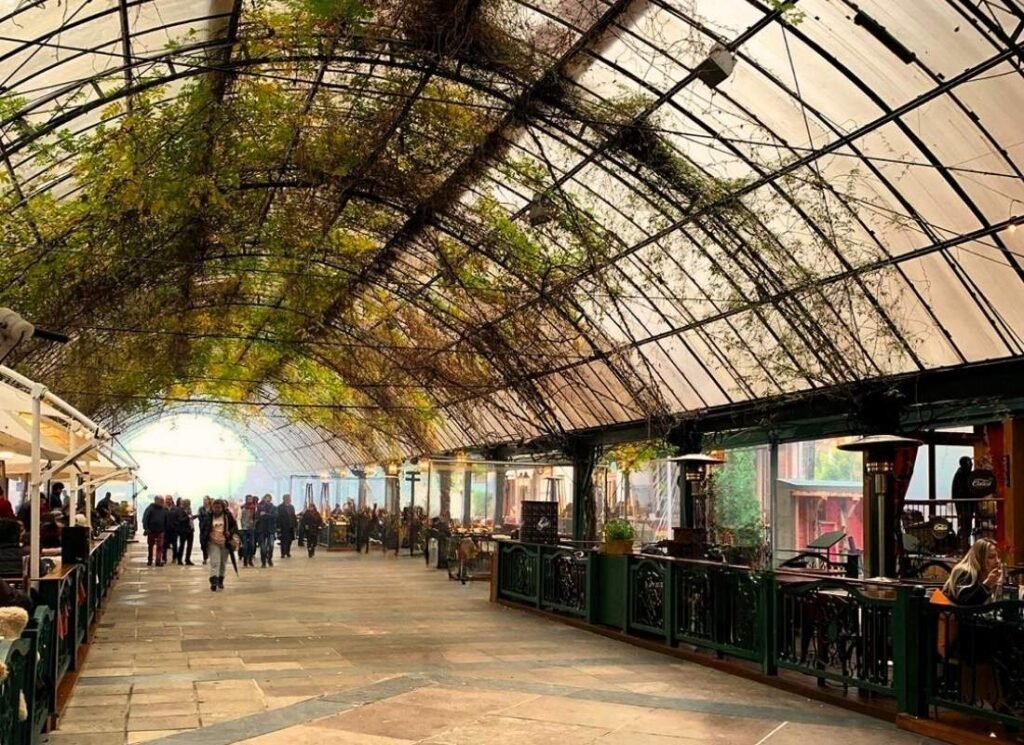
One of Gramado’s perks is that many experiences work beautifully in any season. A trip to Lago Negro is just as pleasant on a summer morning as on a cold winter afternoon—only the photo backdrop changes. Rua Coberta offers cafés and restaurants sheltered from the rain, while museums and themed attractions provide a refuge on damp or scorching days. The food scene—from artisanal chocolate to fondue houses, colonial cafés, and creative kitchens—sustains full itineraries no matter what the thermometer says. And with Canela just a few miles away, waterfalls, viewpoints, and nature parks expand your options for any weather, letting you adjust your schedule based on the forecast.
How to Plan Your Itinerary with the Weather on Your Side
Once you’ve settled on a season, it’s worth tailoring your itinerary to the typical weather patterns. In summer and spring, prioritize light trails, parks, and gardens in the early hours, saving museums, shopping, and indoor attractions for the afternoons. In winter, go for shorter outdoor outings interspersed with cafés and food experiences, concentrating outdoor activities in the sunny windows. In fall, take advantage of the stability for photography routes and full-day excursions, always checking forecast updates since mountain weather can shift quickly. With that fine-tuning, you’ll get more out of your trip and deal with fewer surprises.
So, Which Season Will You Come For?
There’s no single answer to the best time to visit Gramado—and that’s great news. Winter brings the classic cold, fireplaces, and the romantic vibe the city is famous for. Spring delivers flowers, pleasant temperatures, and the first glimmers of Natal Luz. Summer pairs long days, family-friendly attractions, and nature at an easygoing pace. Fall gifts you with colors, cuisine, and serenity. What changes is your priority among budget, weather, events, and crowd levels.
With this map in hand, the choice gets simpler: if you’re after excitement and a packed schedule, align your dates with the big events; if you prefer peace and friendlier prices, aim for the shoulder-season windows and weekdays. In any scenario, book ahead, keep an eye on the forecast, and pack in layers. That way, Gramado reveals its best—exactly the way you imagined it.