The Notre Dame Cathedral, one of the world’s most iconic Gothic cathedrals, is a top tourist attraction in Paris, the City of Light. While the city is home to countless other architectural treasures, few capture the imagination and hearts of travelers quite like Notre Dame.
Its rich history, stunning architecture, and recent events, such as the 2019 fire, make it a must-see destination for any tourist. In this post, we’ll explore the cathedral’s history, the impact of the fire, the reopening timeline, and essential tips for your visit. If you’ve never been to France or don’t know much about Notre Dame, this guide is perfect for you.
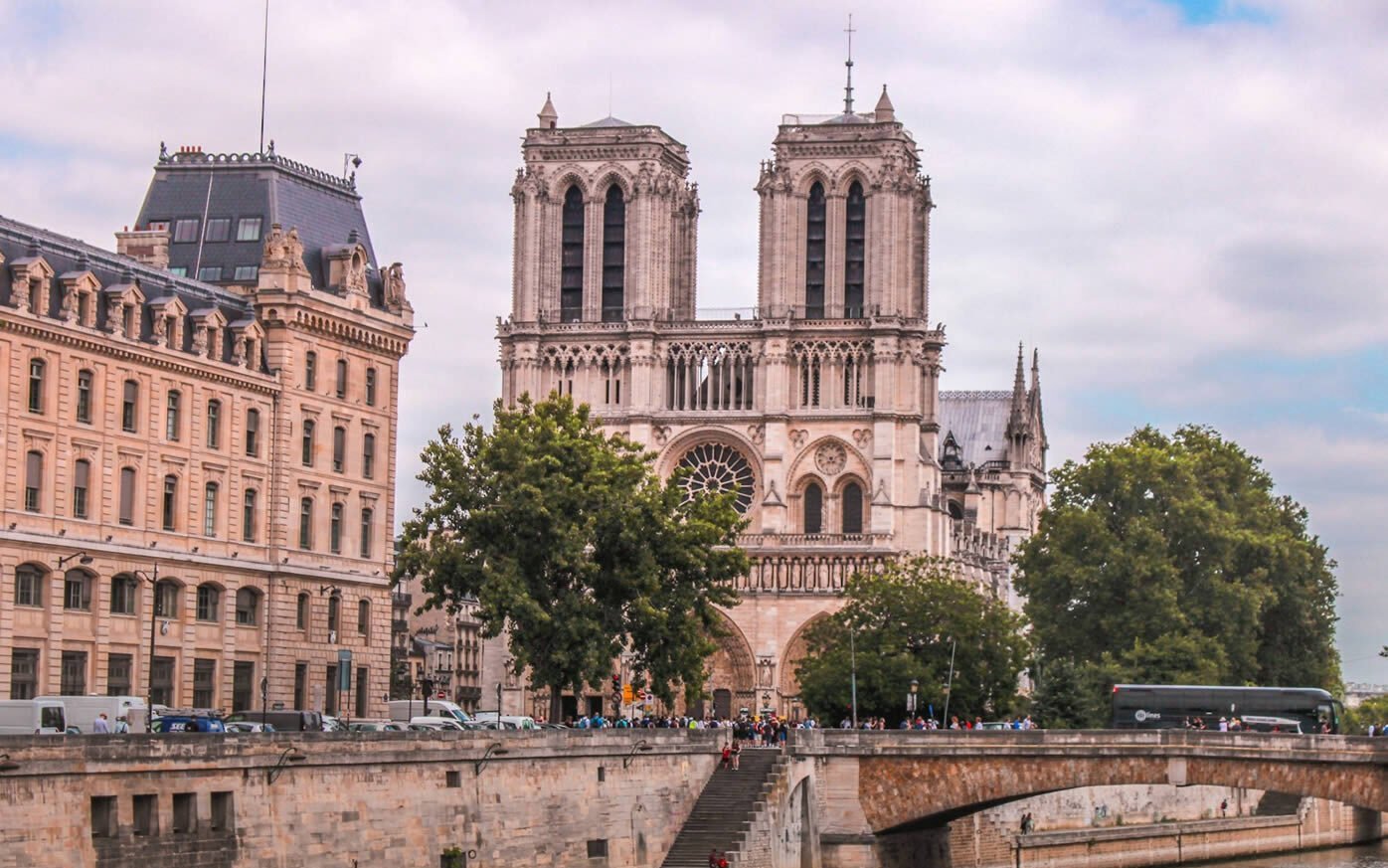
A Journey Through Time: The History of Notre Dame
Our journey begins in the 12th century, when the ambitious project for the cathedral was initiated. In 1163, Bishop Maurice de Sully laid the foundation stone of what would become one of the most impressive examples of Gothic architecture in the world. For nearly two centuries, generations of craftsmen and architects dedicated their lives to building this monument to faith and human ingenuity.
As the walls rose and the twin towers reached for the Parisian sky, Notre Dame became not just a place of worship, but also the stage for crucial historical events. From royal coronations to the celebration of the liberation of Paris during World War II, the cathedral has been a silent witness to history in the making.
Notre Dame, from Napoleon to Victor Hugo
The cathedral played a central role in many of France’s historical events. It was the site of Napoleon Bonaparte’s coronation as emperor in 1804 and hosted the crowning of Henry VI of England during the Hundred Years’ War. During the French Revolution, the cathedral suffered significant damage, with many of its statues destroyed and its bells melted down to make cannons.

Victor Hugo, in his famous novel “The Hunchback of Notre Dame” (1831), helped draw attention to the cathedral, leading to a significant restoration led by architect Eugène Viollet-le-Duc, who gave the cathedral many of the elements we see today.
The Jewel of Gothic Architecture
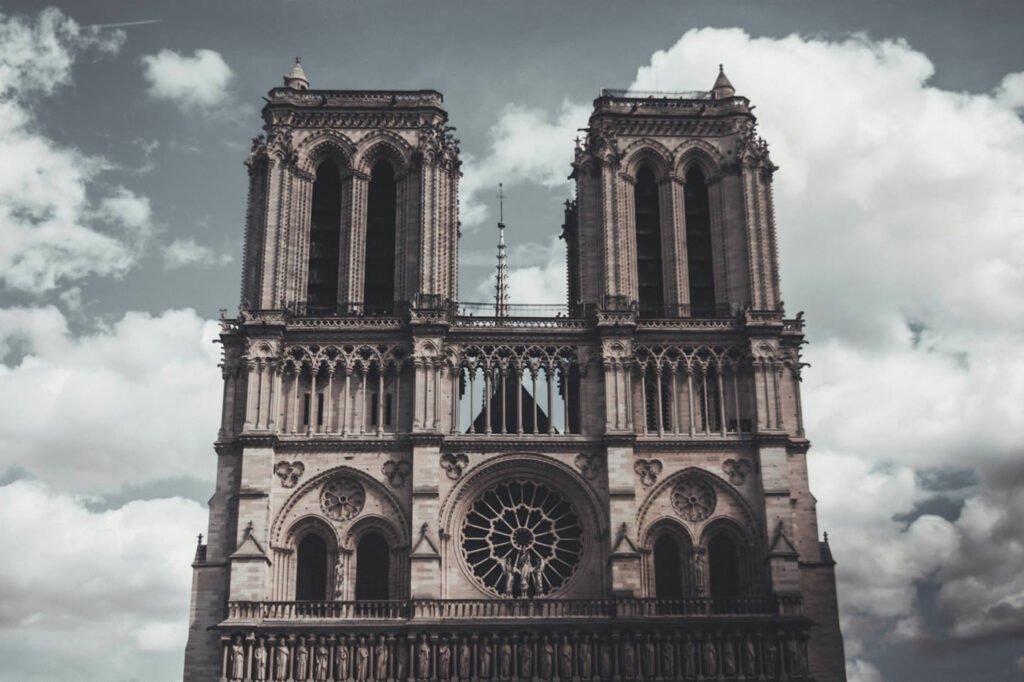
As you approach Notre Dame, it’s impossible not to be amazed by its imposing facade. The twin towers, rising 69 meters high, seem to touch the Parisian sky. Between them, the famous west rose window, with its intricate stained glass, tells biblical stories through vibrant colors and meticulous designs.
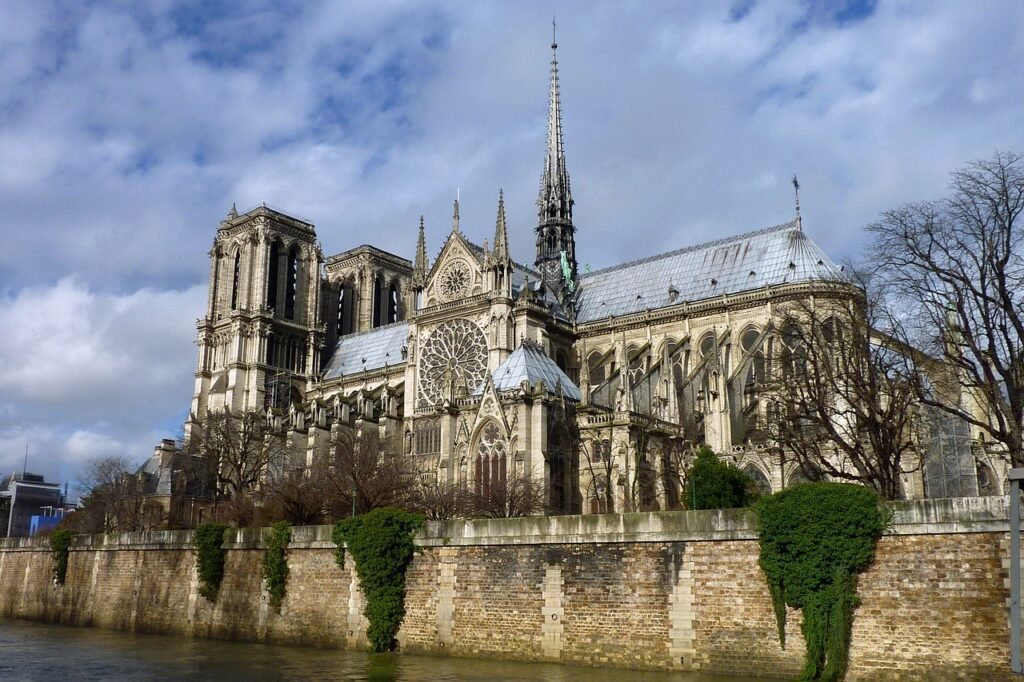
What makes Notre Dame such an extraordinary example of the Gothic style are its architectural innovations. The flying buttresses, external structures that support the tall walls, allowed the cathedral to reach unprecedented heights, creating a remarkably bright and spacious interior. This ingenious structural solution not only supports the weight of the roof but also adds an element of grace and lightness to the cathedral’s exterior silhouette.
Visiting Notre Dame Today
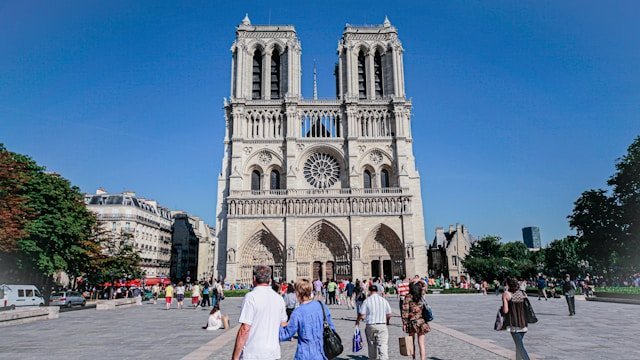
Although the cathedral’s interior remains closed to visitors due to restoration work, it’s still possible to appreciate its exterior beauty. The area around Notre Dame has been transformed into a viewing space where visitors can witness the progress of the reconstruction and learn about the building’s history and architectural significance.
To get to Notre Dame, the most convenient way is by public transport. The nearest metro station is St-Michel Notre-Dame, served by lines 4 and the RER B. Alternatively, buses 21, 38, 47, 85, and 96 stop nearby. For those who prefer to explore on foot, the cathedral is located on the Île de la Cité, easily accessible via several picturesque bridges over the Seine River.
While interior visits aren’t possible at the moment, the exterior area offers impressive views and unique photo opportunities. Informational panels around the site provide fascinating details about the cathedral’s history and the ongoing restoration process.
Exploring the Surroundings: A Parisian Itinerary
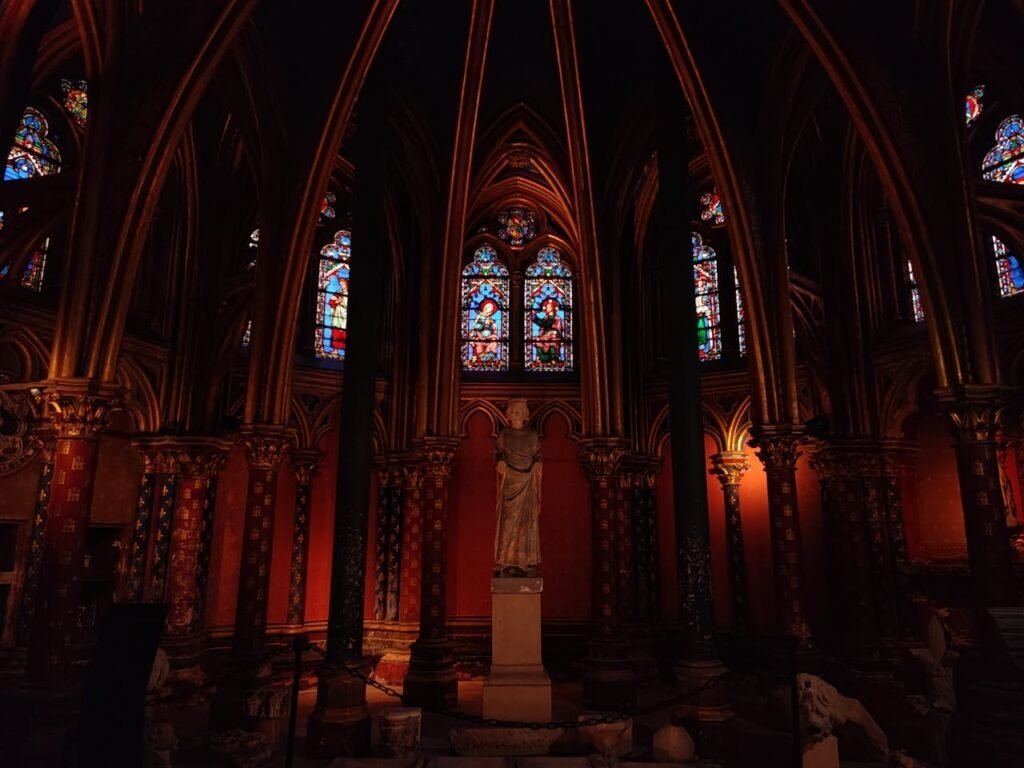
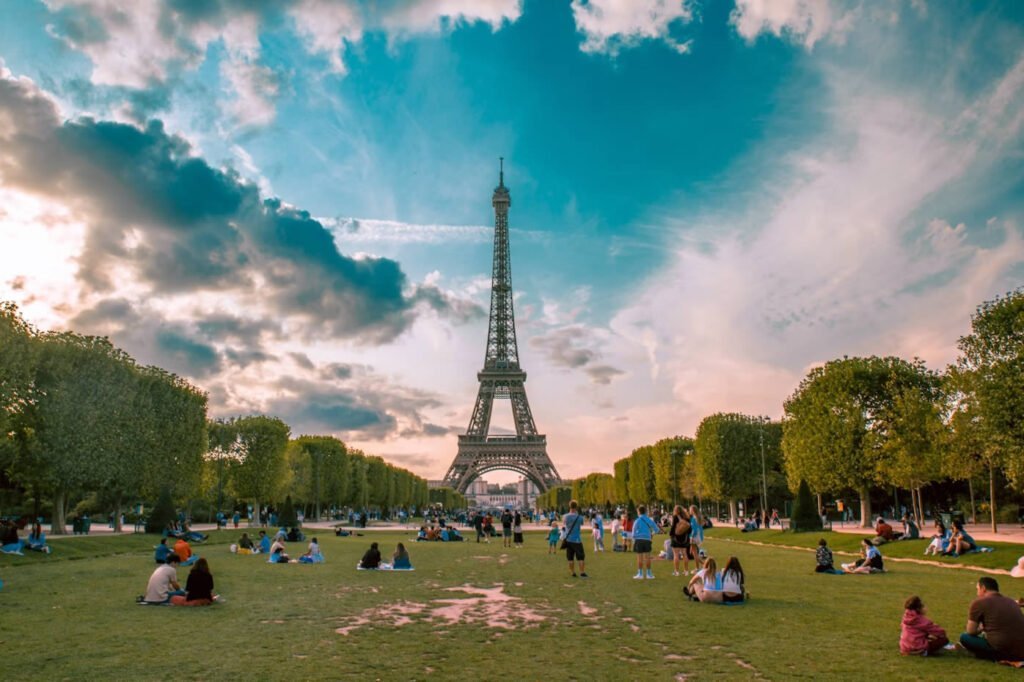
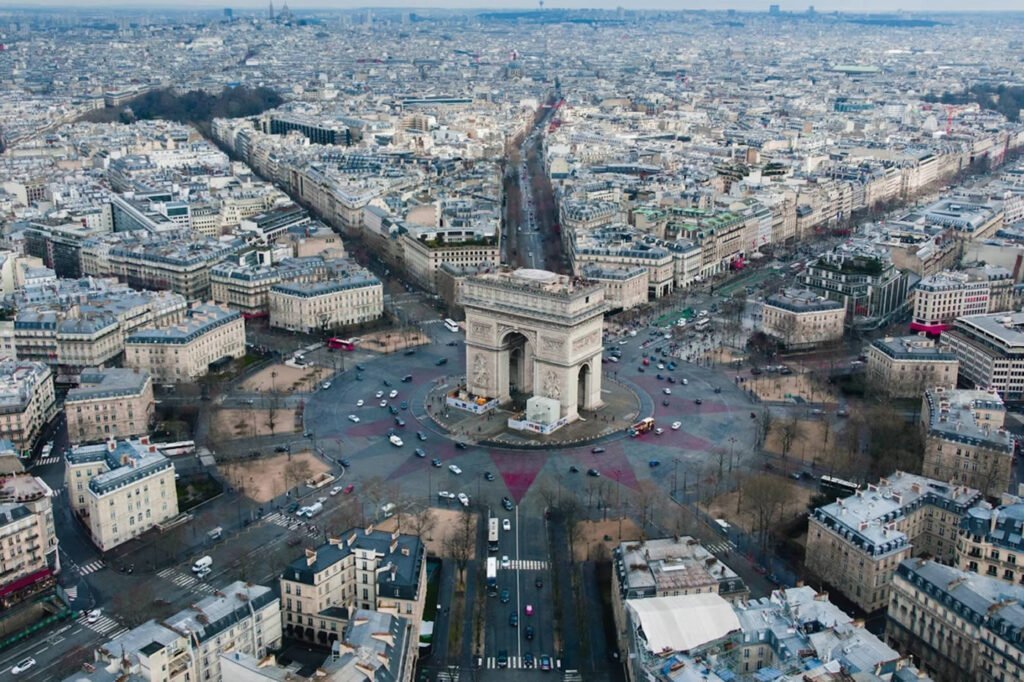
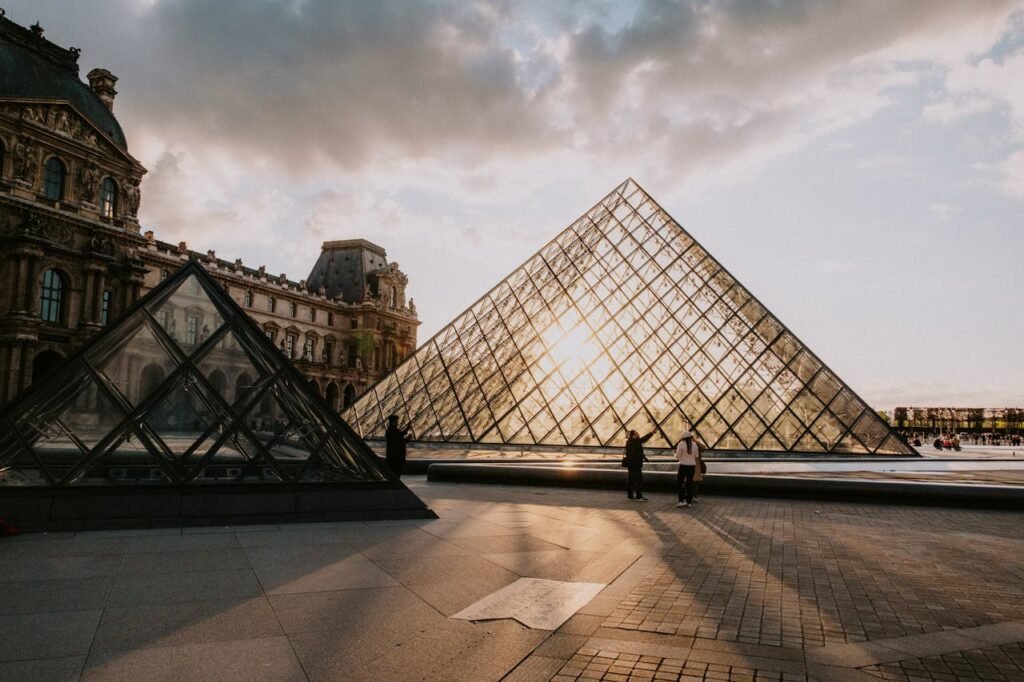
Notre Dame’s central location makes it an excellent starting point for exploring other iconic Paris attractions. Here are a few suggestions to round out your visit:
- Sainte-Chapelle: Just a few minutes’ walk from Notre Dame, this Gothic chapel is famous for its stunning stained-glass windows.
- The Louvre Museum: Cross the Pont Neuf and in about 15 minutes you’ll reach the world’s largest art museum, home to the Mona Lisa.
- Eiffel Tower: While not within walking distance of Notre Dame, the Eiffel Tower is easily accessible by metro. From the St-Michel Notre-Dame station, take line 10 to Bir-Hakeim or the RER C to Champ de Mars-Tour Eiffel.
- Arc de Triomphe: From the Louvre, follow the Avenue des Champs-Élysées until you reach this impressive monument, which offers panoramic views of the city. Latin Quarter: This historic neighborhood, adjacent to Notre Dame, is full of charming cafés, bookshops, and the famous Sorbonne.
A great tip is to hop on the Paris Big Bus tour — it’s a practical way to cover the main sights of the City of Light. You can hop on and off at any of its stops to explore the French capital at your own pace.
Frequently Asked Questions
- When will Notre Dame be fully open to the public again?
The full reopening is scheduled for 2025, with a partial opening planned for the Paris 2024 Olympic Games. - Is it possible to make donations for the cathedral’s restoration?
Yes, there are official foundations that accept donations for the restoration project. Check the official Notre Dame website for updated information. - Are guided tours available even with the cathedral closed?
While there are no interior tours, some companies offer guided tours around the cathedral, focusing on its history, architecture, and restoration process.
Notre Dame Cathedral, even in the midst of restoration, remains a powerful symbol of Paris and of human resilience. Its rich history, stunning architecture, and current rebirth make it a must-see destination for any visitor to the City of Light. As we eagerly await its full reopening, the experience of witnessing this historic moment of reconstruction is, in itself, a compelling reason to include Notre Dame on your Paris itinerary. Get ready to marvel at this Gothic gem and let yourself be swept away by the timeless magic of Paris.
Enjoyed our post about Notre Dame Cathedral? Check out what we wrote about the Sagrada Família Cathedral in Barcelona. Feel free to share it on our site and on social media.