Planning a trip to Gramado is one of those moments where the anticipation is already part of the pleasure. Three days in Gramado is enough time to dive into the unique atmosphere of this mountain town in Rio Grande do Sul, which combines European influences, refined cuisine, lush nature, and a charm that few Brazilian destinations can replicate. Whether it’s winter with mist on the mountains or summer with blooming fields, the city has an almost magical ability to make any visitor feel they’ve arrived somewhere special.
In this itinerary, you’ll discover how to distribute your time wisely, without rushing or wasting precious hours. The idea isn’t to create a checklist of spots to “tick off”—it’s to build a real experience, with rhythm, flavors, and memories that last.
Day 1 in Gramado: Arrival, Chocolate, and the European Vibe of Rua Coberta
Your first day in Gramado should start slowly. If you arrived the night before or early in the morning, set aside the morning to get your bearings and explore the heart of the city on foot. The Rua Coberta, officially called Avenida Borges de Medeiros, is the natural starting point. With its half-timbered architecture, artisan chocolate shops, and cafés that exude cinnamon and freshly brewed coffee, it captures in just a few blocks everything that makes Gramado, Gramado.
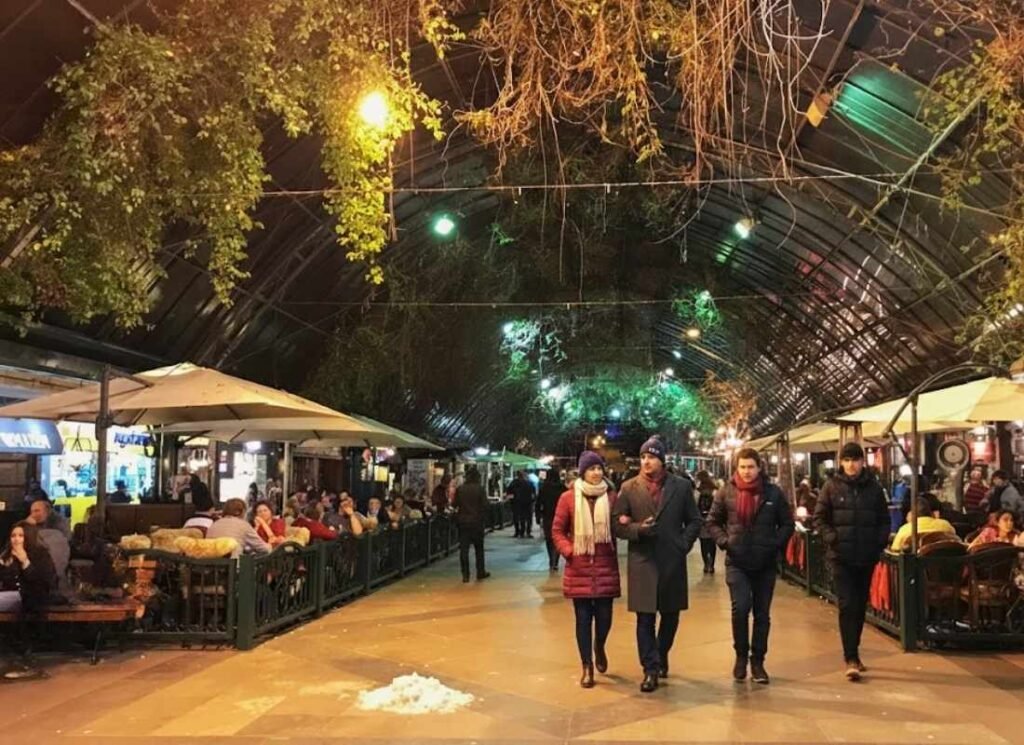
There’s no resisting the chocolate shops. Gramado is recognized as the artisan chocolate capital of Brazil, and the options are plentiful: from big brands with visitable factories, like Caracol and Lugano, to small family-run productions that surprise with their quality. Be sure to try the hot chocolate served Swiss-style—dense, without diluted milk, with that consistency that warms you from the inside. If your trip happens in winter, this ritual becomes almost sacred.
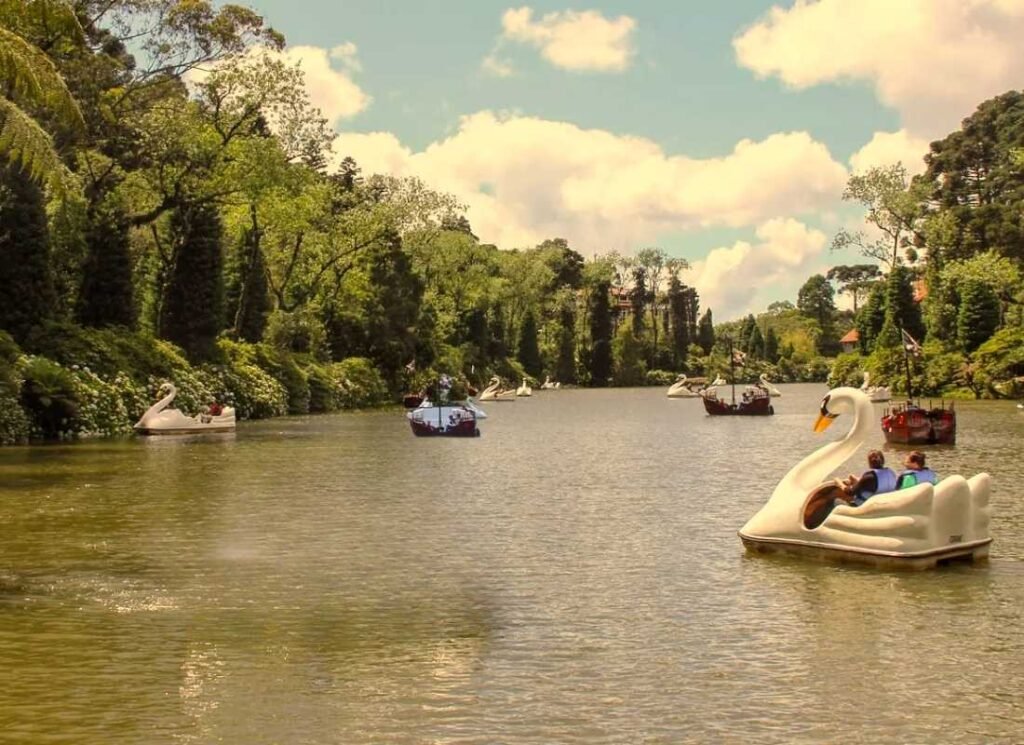
In the afternoon, it’s time to visit Lago Negro. The walk around the lake’s mirror-like water, surrounded by pine trees and well-kept gardens, has a tranquil rhythm that contrasts nicely with the bustle of the center. It’s a simple activity, but with a discreet beauty that stays with you. Many visitors rent paddle boats and spend an hour there without noticing the time pass.
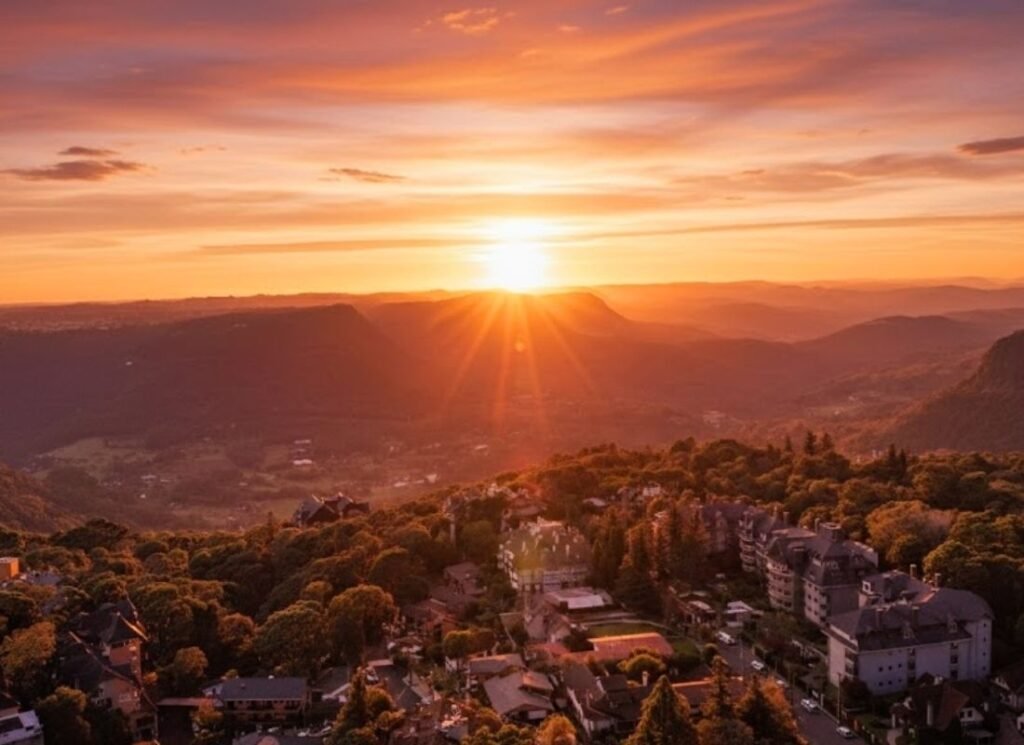
Still in the late afternoon, watching the sunset from a viewpoint near the center—or even from Praça das Etnias, with its sculptures honoring the peoples who colonized the region—is a perfect end to the first day. Dinner in Gramado deserves special attention. The region’s cuisine is heavily influenced by German and Italian immigration, and fondue restaurants are a must. Fondue do Palácio and Saint Andrews are among the most praised by travelers passing through the city.

Day 2: Canela, Caracol Park, and Nature That Surprises
The second day is strategically reserved for Canela, a neighboring town just 7 kilometers from Gramado that, in practice, functions as a natural extension of your itinerary. If you’re driving, you have total freedom, but there’s also public transport and tourist vans that make the trip regularly.
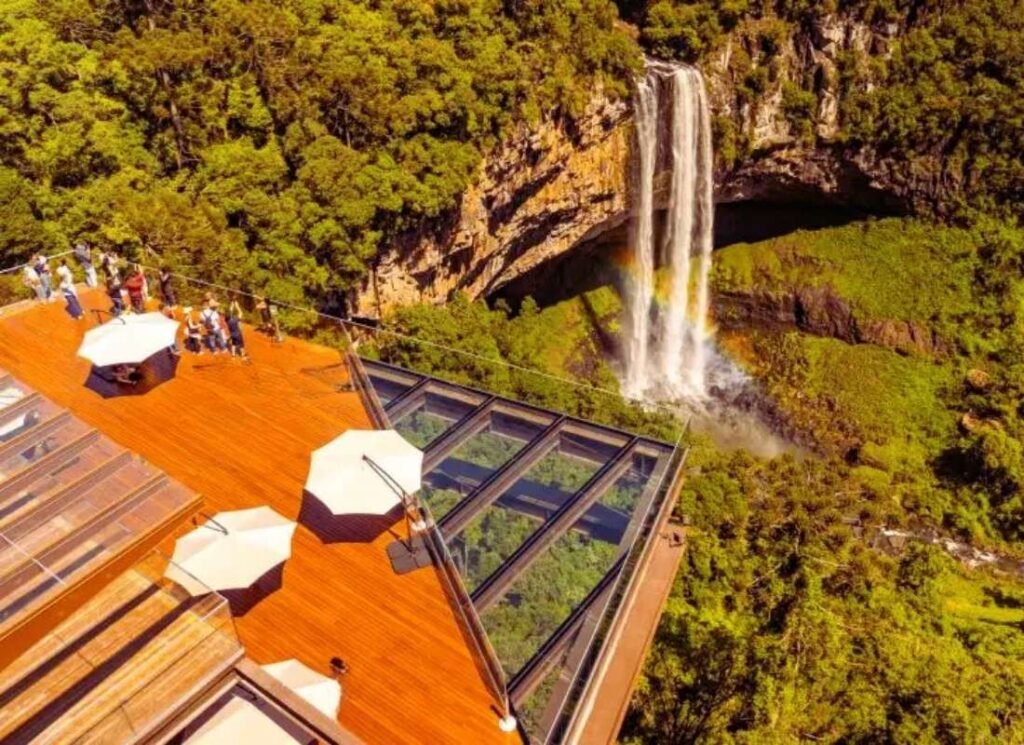
Canela’s big attraction is Parque Estadual do Caracol, home to the waterfall of the same name—a 131-meter drop that impresses with its power and the frame of dense forest. The park has well-marked trails, a cable car, and facilities that cater well to families, groups, and solo travelers. The ideal is to arrive early to avoid the lines that form mid-morning, especially on weekends and holidays.
Still in Canela, the Vale do Quilombo offers longer, more immersive trails for those who want to experience nature up close without needing special gear. The landscape of the Vale dos Vinhedos subtly begins to appear in this region, and the feeling of being deep in the Rio Grande do Sul countryside—far from urban noise—is a refreshing counterpoint to Gramado’s commercial charm.
On the way back, Parque do Pinheiro Grosso is a quick stop worth making: one of the oldest pine trees in the region, centuries old, which takes on an almost spiritual dimension when you stop to truly contemplate it.
At night, back in Gramado, set aside time for an activity many tourists underestimate: simply sitting at one of the city’s bars, ordering a local Gaúcho craft beer—there are excellent local breweries like Dado Bier and Gramado Beer—and watching the movement of Rua Coberta as the temperature drops. It’s in these moments that the city shows its best face.
Day 3: Theme Parks, Shopping, and a Flavorful Farewell
The third day in Gramado is often the hardest: it’s when the trip starts to wind down, but there’s still so much to do. The choice between the city’s theme parks depends on your traveler profile. Snowland, the only permanent indoor snow park in South America, is a completely unique experience—especially for kids and anyone who’s never set foot on real snow. Mini Mundo, on the other hand, fascinates with its precision: over 170 miniature replicas of tourist attractions from around the world, built with details that require a magnifying glass to fully appreciate.

For those who prefer to escape the more touristy circuits, Olivas de Gramado is a charming visit: an olive grove producing extra virgin olive oil, where you can do tastings and learn a bit about the history of olive cultivation in the Serra Gaúcha. The space is beautiful, the atmosphere is calm, and the experience has an authenticity that contrasts nicely with the bustle of the center.
Shopping is saved for the late afternoon, and here’s a practical tip:
- Artisan chocolates: go for the smaller brands to avoid the inflated tourist prices.
- Wines and sparkling wines: the region is the gateway to the Serra Gaúcha, and prices at local wine cellars beat any big-city supermarket.
- Artisan jams and preserves: products like pepper jelly, fruit chimia, and compotes make perfect gifts and cost far less than they seem worth.
- Leather goods: gaucho craft shops offer quality pieces, especially belts and bags.
- Artisan liqueurs: made with seasonal fruits, they’re a sentimental keepsake in bottle form.
Your farewell dinner deserves a restaurant that sums up the whole trip. Josephina Bistrô and Bela Vista are among the top picks for anyone craving contemporary cuisine with local ingredients—the kind of dining experience that turns a meal into a story worth telling.
Practical Tips for Making the Most of Gramado in 3 Days
The best time to visit Gramado depends on what you’re after. Winter, from June to August, brings temperatures that can dip to freezing and the fog that gives the city that fairy-tale look. The Gramado Film Festival happens in August and draws cinephiles and celebrities from all over Brazil. Natal Luz, held from October to January, transforms the city with spectacular light displays and free shows over several weeks. Spring, from September to November, is the season of hydrangeas—the flowers Gramado has adopted as its symbol, coloring gardens and flowerbeds throughout the city.
On lodging: Gramado has options for every budget, but the inns and boutique hotels downtown or near Lago Negro (the city’s famous black lake) usually offer the best mix of location and atmosphere. Booking ahead is essential during peak season.

Traffic in town can get tricky on long holiday weekends, so parking at central lots and getting around on foot is always the best strategy if you’re staying downtown.
Feel Gramado Before You Visit
Gramado isn’t just a city to visit—it’s a place to feel. Every corner holds a story of migration, hard work, and cultural pride. Every dish has an ingredient that came from a nearby garden. And every foggy sunrise over the mountains is a reminder that there are places in Brazil capable of surprising even those who’ve traveled the world. Three days might seem short, but they’re more than enough to understand why Gramado is, year after year, one of the country’s most beloved destinations.
FAQ – Gramado in 3 Days
Are three days enough to see Gramado? Yes, three days let you visit the main attractions in town and Canela without feeling rushed. To explore the Serra Gaúcha more deeply—including Bento Gonçalves and the wineries—it’s worth extending your trip to five to seven days.
What’s the best time to visit Gramado? Each season has its own appeal. Winter charms with fog and cold, Natal Luz is a visual spectacle from October to January, and spring is the most photogenic season thanks to the hydrangeas. Skip Holy Week and the July holidays if you want to avoid the heavy crowds.
Do I need a car to explore Gramado in 3 days? Not necessarily. Downtown Gramado is walkable, and there are vans and public transport to Canela and the parks. But having a rental car gives you way more freedom, especially for exploring the countryside and nearby wineries.
Is Gramado a good destination for kids? Absolutely. Snowland, Mini Mundo, Parque Caracol, and the chocolate shops are experiences that delight kids of all ages. The city is safe, clean, and well set up for families.
How much does a 3-day trip to Gramado cost? Costs vary a lot depending on your lodging and dining choices. On average, a couple can expect to spend between R$ 2,500 and R$ 5,000 for three days, including accommodation, meals, tickets, and moderate shopping.