When most people think of Gramado, they think of cold weather, coats, fondue, and the Christmas Lights festival. Winter has dominated the imagination of the Serra Gaúcha for decades—and for good reason. But there’s another side of Gramado that few people truly know. Summer.
Hydrangeas exploding with color all over town, parks with zero lines, and accommodation prices at rock bottom: Gramado in summer isn’t a backup plan. For those with flexible dates, it might just be the smartest window of the year. The city exists outside of peak season—and it exists beautifully.
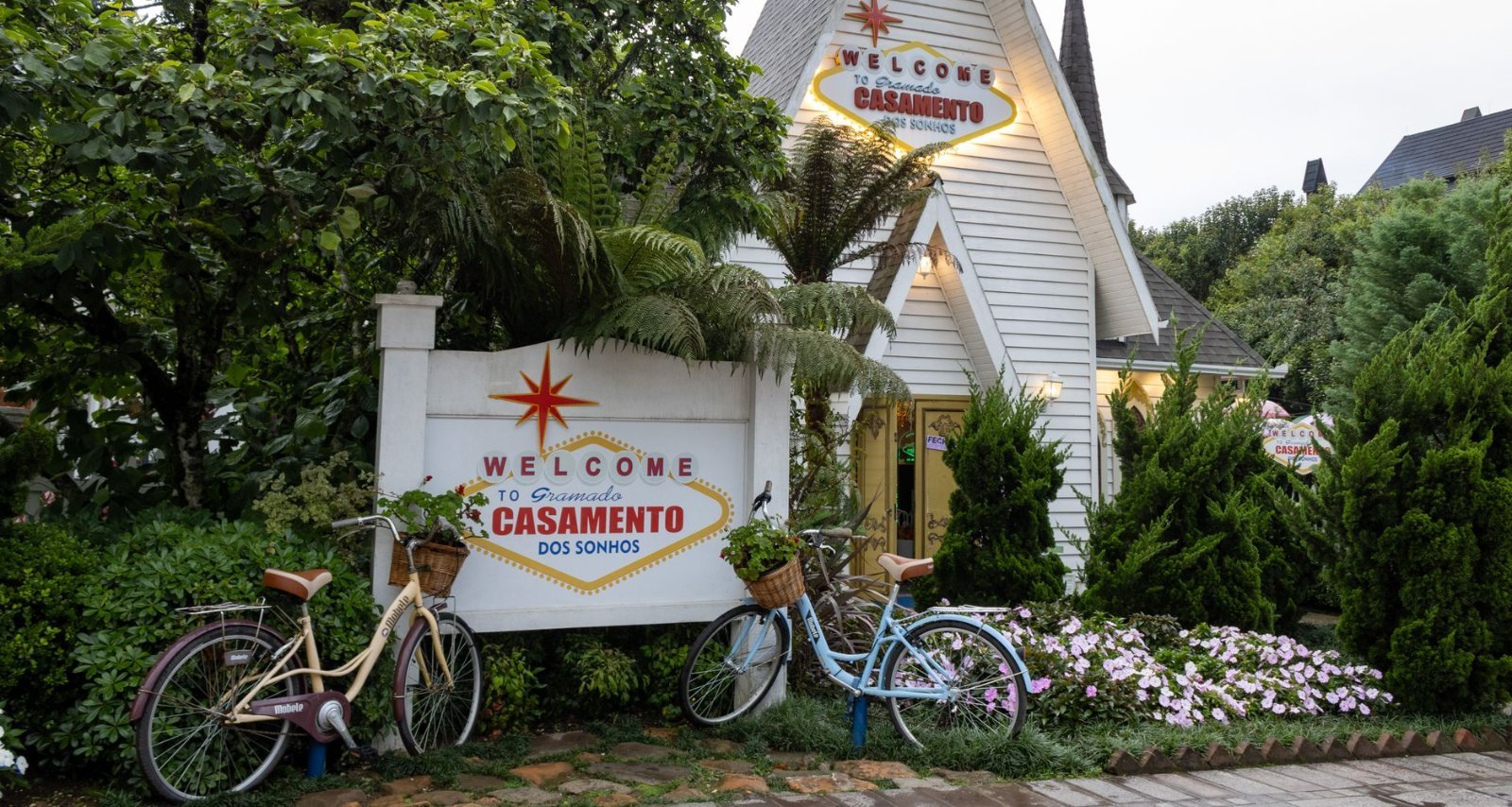
The Climate of Gramado in Summer
Summer in the Serra Gaúcha is nothing like a coastal summer. In December, temperatures range between 63°F and 79°F—mild by Brazilian standards. On hotter days it can approach 86°F, but the altitude of about 2,800 feet keeps the heat from being oppressive. It always cools down at night. Even in January, a light jacket will come in handy when you head out for dinner.
Rain is the main caveat. December through February concentrates the region’s rainfall, usually afternoon downpours that come and go quickly. The strategy is simple: outdoor activities in the morning, indoor attractions for early afternoon. Those who plan this way rarely get stuck by the rain.
December and the first half of January still catch the Christmas Lights festival—the event runs until mid-month. Those who want summer with some buzz will find it here. But for true tranquility, the sweet spot is February through March: lower prices, emptier streets, parks with much more comfortable capacity. It’s the Gramado that locals prefer to show visitors.
The Advantages of Visiting Gramado in Summer
More Affordable Prices
This is the most concrete argument. In winter—especially July and during the Christmas Lights festival—the same inn that charges $120 per night can drop to $50 to $70 in February. The difference is real and significant. Restaurants usually don’t change their menus by season, but table availability is much higher. No need to book weeks in advance or scramble to secure a time slot.
Park tickets generally don’t change by season. But not competing for time slots or having to buy so far ahead is already a savings in planning—and in nerves. Anyone who likes to travel without a rigid itinerary will appreciate this freedom.
Fewer Lines, Less Traffic
In July, an hour-long line to enter a park is normal. During the Christmas Lights festival, downtown Gramado can come to a complete standstill in the late afternoon. In February, you walk into Mini Mundo without waiting, park easily, and get a table at a restaurant without a reservation.
Anyone traveling with young children notices this right away. Kids get tired of lines fast, and so does parents’ patience. Summer outside of peak season eliminates most of this problem and makes the trip much lighter for the whole family.
Hydrangeas in Full Bloom
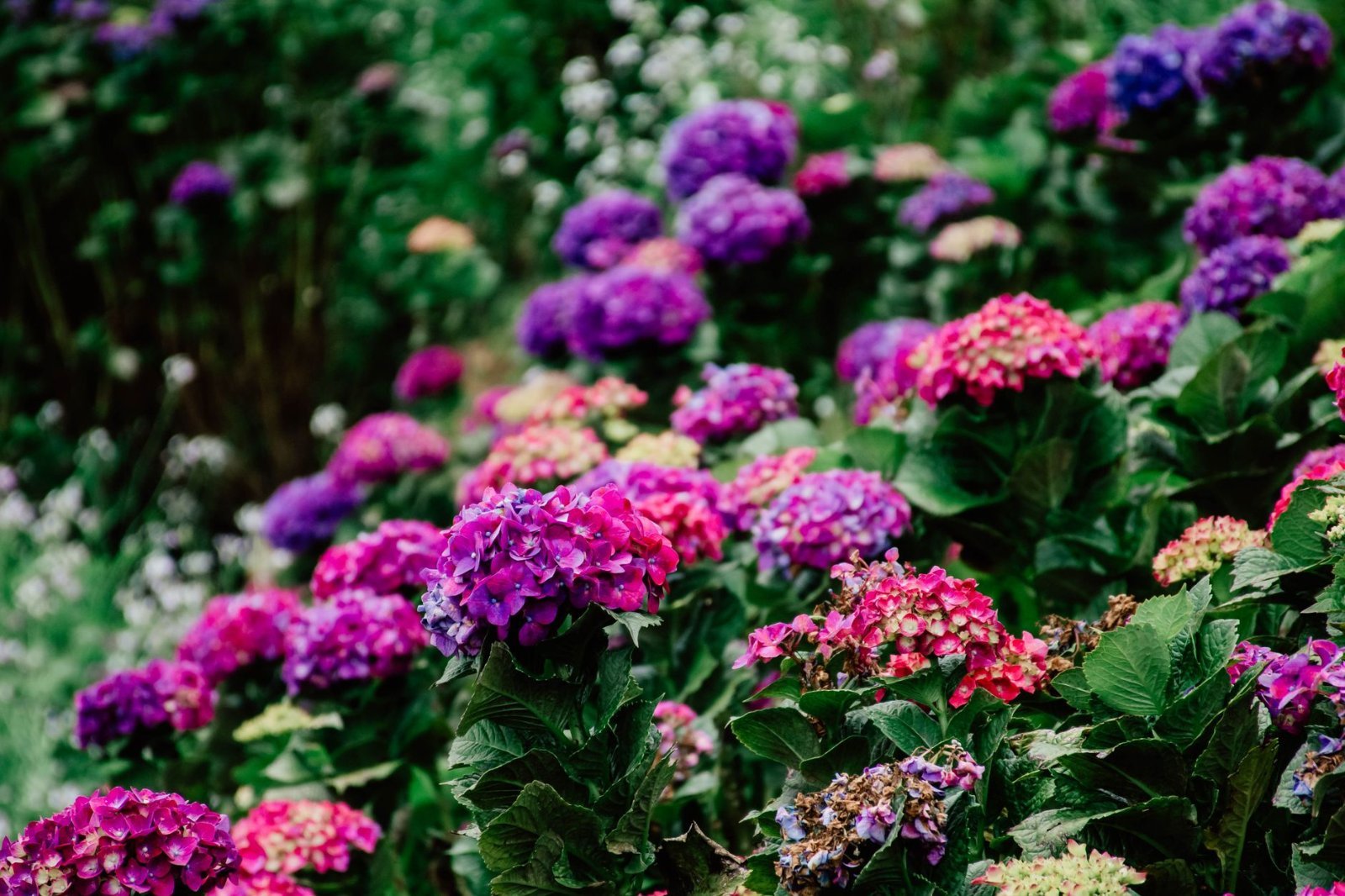
Gramado is known for the hydrangeas that decorate its gardens, balconies, and squares. The most intense blooming happens from November to January—right in summer. Avenida das Hortênsias, which runs from Gramado to Nova Petrópolis, becomes a special postcard during this time, with flowers in lilac, blue, white, and pink along the entire route. It’s one of the city’s most characteristic sights, and you get it at its peak in summer. Many of the most beautiful photos of the Serra Gaúcha circulating on social media were taken during this season.
Nature at Its Best
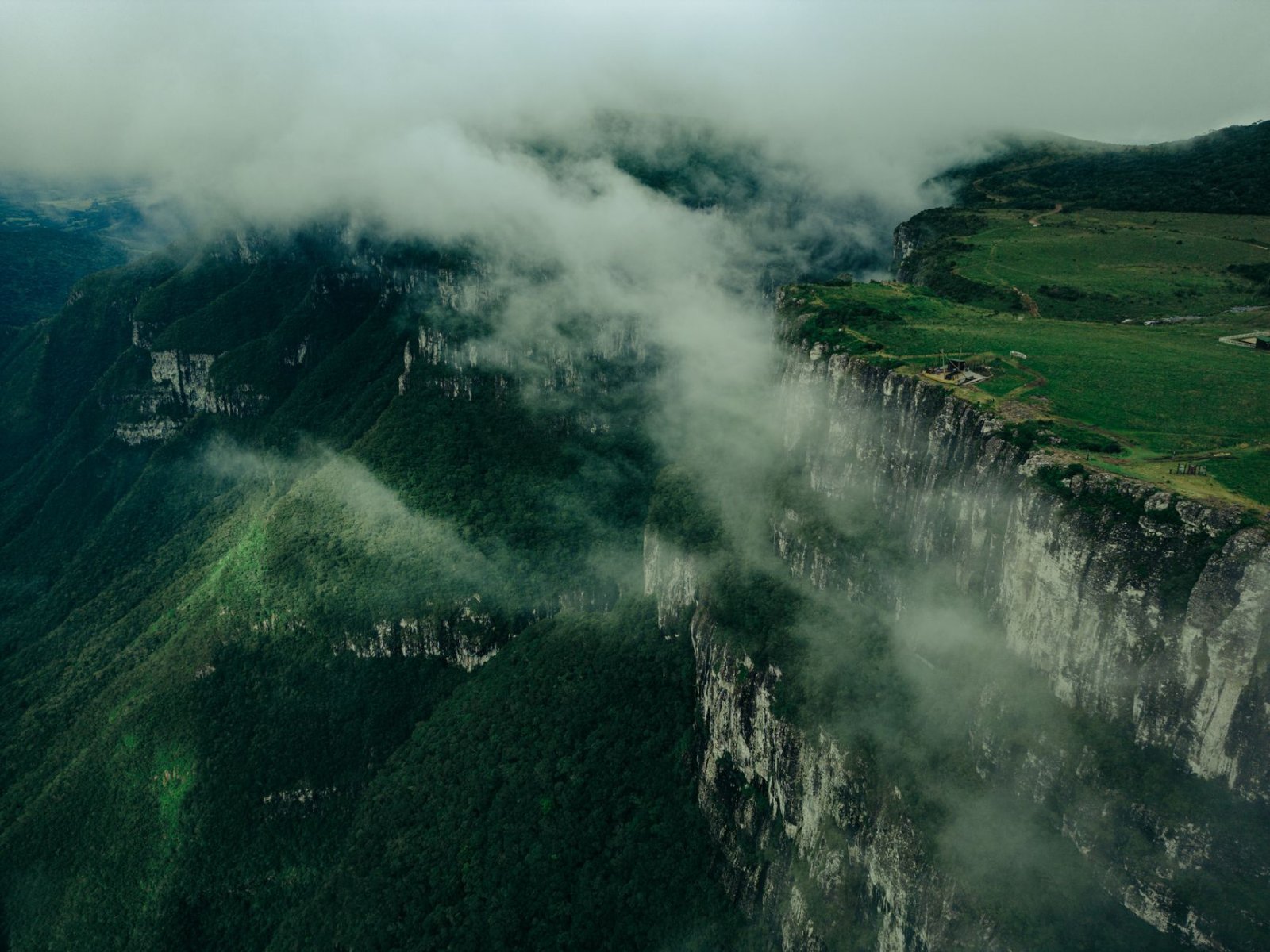
The Serra Gaúcha in summer is a different beast. Vegetation at its most intense green, waterfalls fuller from the rains, that contrast of colors in the landscape that disappears in the dry winter. For hiking and ecotourism, the weather is more inviting than the intense cold of July—which can make certain treks more demanding than planned. Anyone who loves nature photography will find much richer scenes in summer than in winter.
What to Do in Gramado in Summer
All Parks Are Open and Running
Mini Mundo, GramadoZoo, Snowland, Parque do Caracol in Canela, Mundo a Vapor—all of them operate in summer. No major attraction closes outside of peak season. The difference is you arrive and find fewer people, much more availability for time slots, and none of that push-and-shove atmosphere characteristic of high season.
Snowland has an extra appeal in summer: walking into a snow park when it’s hot outside has a peculiar charm. The indoor temperature is 23°F year-round—and the contrast with a December day at 82°F is, shall we say, striking. For anyone who’s never seen snow, this could be the trip’s surprise. And with fewer lines, you can enjoy the park’s activities at a much more relaxed pace.
Gramado in Concert
In late January and early February, the city hosts Gramado in Concert—a music festival featuring orchestras and bands with an educational and cultural tone. Performances take place in venues around town, creating an atmosphere very different from the hustle of the Christmas Lights festival: more intimate, more musical, more local. If you enjoy music and prefer programming away from big crowds, this is a great window. The festival usually brings together musicians from various regions of the country in a format that values those who come to listen, not to be seen.
Hiking and Ecotourism in the Region
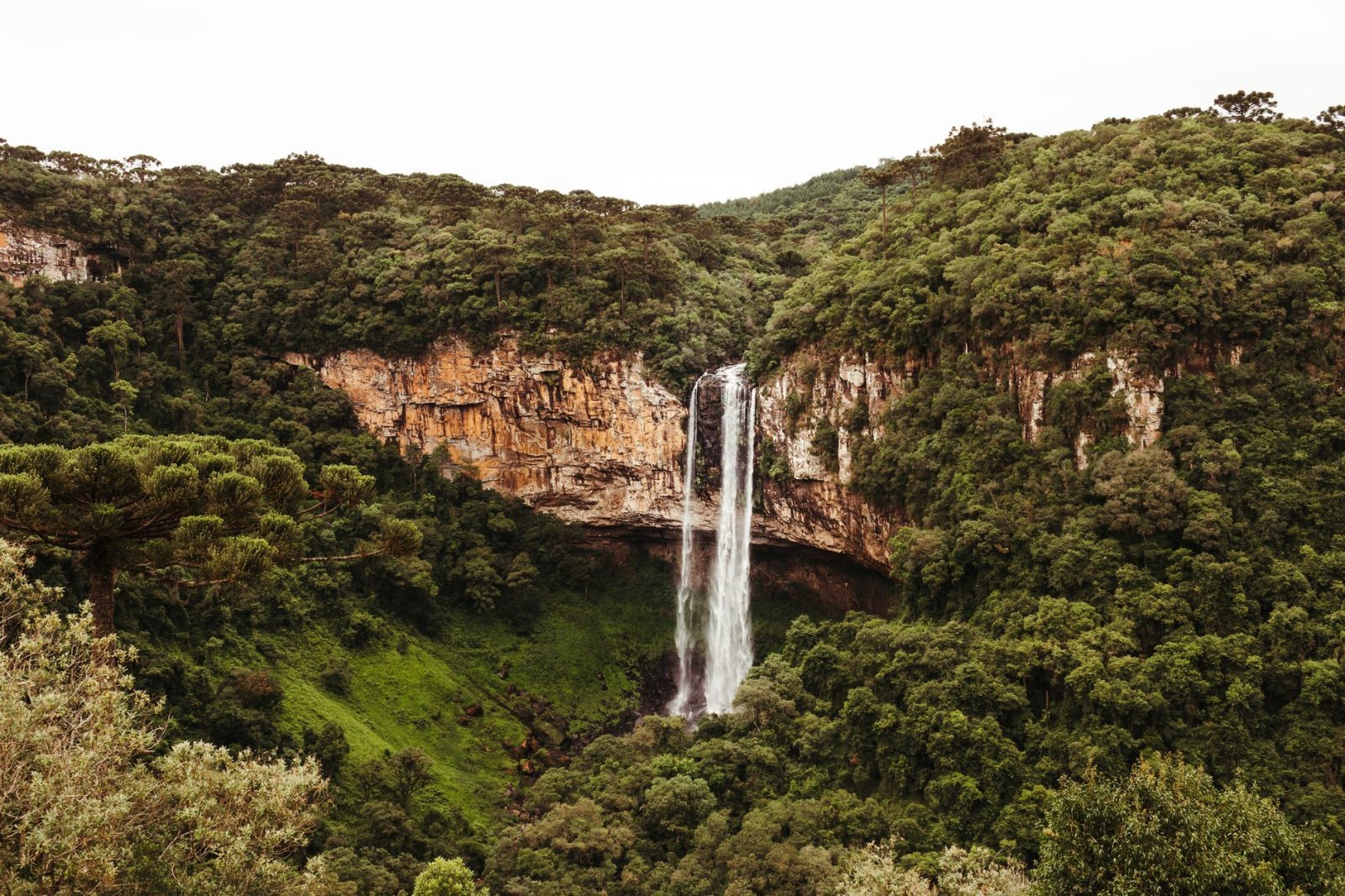
Parque do Caracol, in Canela, is a summer highlight: the Caracol Waterfall—a 430-foot drop—is more voluminous from the rains, and the surrounding forest takes on that deep, heavy green of the season. Trails and the cable car are more pleasant with mild temperatures, and the morning light is perfect for photography. Arrive early to catch the morning mist that often envelops the forest at the start of the day.
For those who want to go beyond the paid parks, the São Francisco de Paula National Forest, about 25 miles from Gramado, holds century-old araucaria trees with well-maintained trails. Few winter itineraries mention this place—in summer, with the forest fully alive, it’s well worth the detour.
Gramado in Summer vs. Gramado in Winter
It depends on what you want from the trip. Winter has the more dramatic look: fog, frost, that cold that justifies fondue and a fireplace. The Christmas Lights festival adds shows and decorations that make Gramado a unique setting. But all of this comes at a cost: more people, high prices, much more intense logistics. Planning a trip for July requires booking months in advance and accepting constant crowds.
Summer outside of peak season—February and March—is the opposite. Emptier city, lower prices, no special decorations. But the same natural beauty, the same parks, the same cuisine. For those who prefer tranquility over excitement and have flexible dates, this window is genuinely better. Many locals say this is the Gramado they love most.
December and the first half of January fall somewhere in between: the Christmas Lights festival is still on with its intense crowds, but the weather is already warmer and the hydrangeas are blooming. It works well for those who want a bit of both worlds—and can tolerate the lines and high-season prices.
Tips for Visiting Gramado in Summer
Plan outdoor activities for the morning. Summer rains are usually afternoon downpours—parks and trails are best between 9 a.m. and 12 p.m. You’ll also take advantage of the morning light for photos and arrive at parks before the second wave of daily visitors.
Bring a rain jacket or compact umbrella. Even on sunny mornings, the afternoon can surprise you. In the mountains, rain appears out of nowhere and passes quickly—those who are prepared don’t lose the rhythm of the trip.
Prefer inns with gardens. In summer with flowers, the gardens of Gramado’s inns are stunning. Many have green areas with outdoor breakfast—a pleasure that the intense cold of winter simply doesn’t allow in the same way.
Combine Gramado with the coast. Leaving from Porto Alegre, you can split the trip between the mountains—two or three days in Gramado—and the coast of Rio Grande do Sul or Santa Catarina. The contrast between the mountain freshness and the beach works really well in summer and makes the most of the drive. A week-long trip like this usually yields very different and complementary experiences.
Frequently Asked Questions About Gramado in Summer
What’s the best summer month to visit Gramado?
February and March offer the best value: lower prices, fewer people, pleasant weather. December has hydrangeas at their peak and still catches the Christmas Lights festival—but with heavy crowds. January is a transition: the Christmas Lights festival runs until mid-month, then it empties out. Those seeking total tranquility choose February.
Does it rain a lot in Gramado in summer?
More than in winter—that’s a fact. But it rarely ruins an entire trip. The rains are usually afternoon downpours that come and go quickly. Mornings are generally clear. Having a backup indoor attraction for the afternoons helps a lot and prevents frustration.
Are Gramado’s parks open in summer?
All the main ones operate normally: Mini Mundo, Snowland, GramadoZoo, Parque do Caracol, Mundo a Vapor. There’s no seasonal closure for the major attractions. In summer, you’ll find them with fewer lines, more available time slots, and without the rush of high season.
Do the hydrangeas bloom in Gramado in summer?
Yes—and it’s precisely in summer that they’re at their most beautiful. The intense blooming runs from November to January. Avenida das Hortênsias and the city’s gardens take on that flowery look that’s Gramado’s trademark during this time of year.
Do I need a jacket in Gramado in summer?
Yes, for the evenings. Afternoons can reach 79–86°F, but at nightfall the temperature drops to 63–68°F. A light jacket or hoodie will do—very different from winter, when overcoats and gloves make the list.
Is it worth visiting Gramado in summer even without the Christmas Lights festival?
Absolutely. The Christmas Lights festival is special, but Gramado has so much more: the architecture, the cuisine, the parks, and the nature all work year-round. Summer outside of the Christmas Lights festival offers a calmer, more affordable version of the city—and for many people, this version is more appealing than the high-season hustle. The city without crowds has a charm all its own that’s worth experiencing.
Gramado in summer is a different version of the same city. Less spectacle, more tranquility. Less cold, more flowers. Fewer people, more room to breathe. For those who can choose when to go, it’s an option that deserves serious consideration—and one that often surprises those who arrive with low expectations and leave already thinking about coming back.