Gramado, a gem in the Serra Gaúcha mountains of Rio Grande do Sul, Brazil, enchants visitors with its European-inspired architecture, flower-lined streets, and an atmosphere that blends rustic charm with sophisticated urban touches. Known for its chocolate factories, theme parks, and a culinary scene that celebrates fondues and wines, the city attracts tourists year-round. However, choosing the best time to travel to Gramado depends largely on what you’re looking for in a trip. Whether it’s the biting cold of winter for cozying up by the fireplace and seeing frost, or the glow of Christmas lights in the summer, each season offers unique experiences. As a tourism and SEO specialist, I’ll guide you through this topic clearly and informatively, helping you plan a memorable journey based on real facts about weather, events, and seasons.
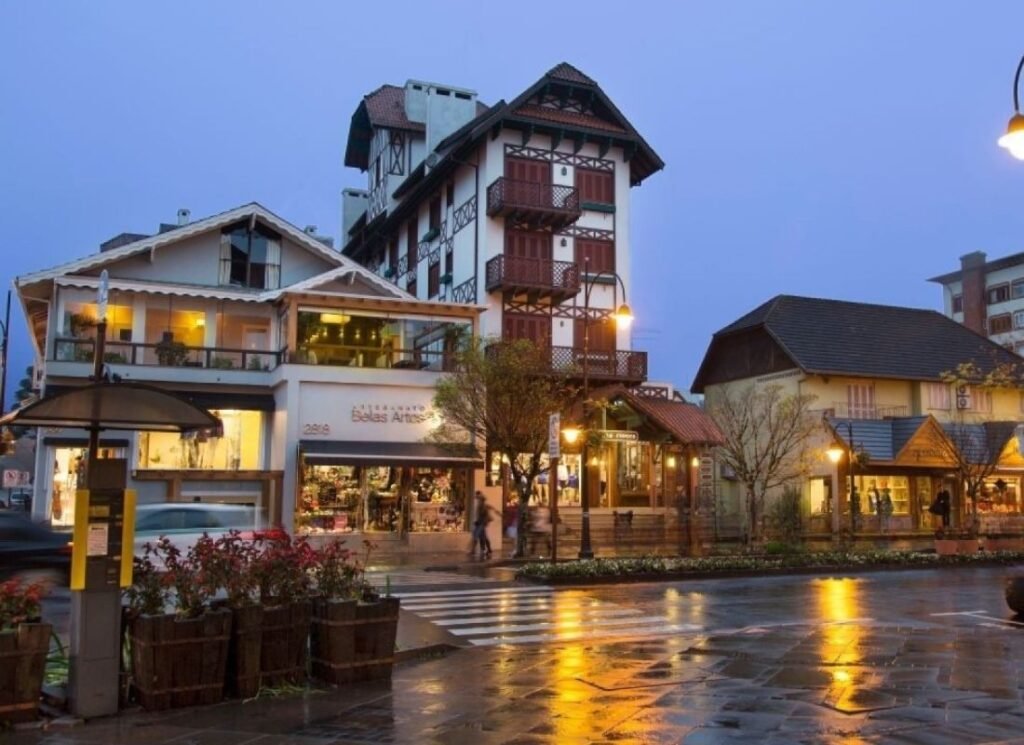
The climate in Gramado is one of the main factors influencing when to visit. Situated at an altitude of about 830 meters, the city has a humid subtropical climate with well-defined seasons, but with unpredictable variations due to cold fronts that can arrive at any time. Average annual temperatures hover around 15°C to 20°C, but extremes range from below freezing in winter to 30°C or more in summer. Rain is a constant throughout the year, with precipitation distributed relatively evenly, varying between 130 mm and 220 mm per month, and at least eight to 14 rainy days monthly. This means that, regardless of the season, it’s always wise to pack a waterproof jacket and comfortable shoes for damp walks. However, months like April, May, June, and August tend to have less rain, making outdoor activities easier.
Tip: Make the most of your trip by visiting Lago Negro (Black Lake)
Summer in Gramado: Warmth, Flowers, and Festivities
Summer, from December to March, brings milder temperatures compared to other regions of Brazil, with lows around 17°C to 18°C and highs reaching 26°C or 27°C. It’s a time when the sun dominates during the day, but nights remain cool, perfect for al fresco dining or strolling along Rua Coberta, the city’s vibrant heart. December and January are marked by the blooming of hydrangeas, which paint the streets in vibrant shades of blue and pink, creating a perfect backdrop for photos and romantic walks. However, be prepared for more frequent rains, especially in January, when precipitation can reach 220 mm, bringing occasional thunderstorms that refresh the air.
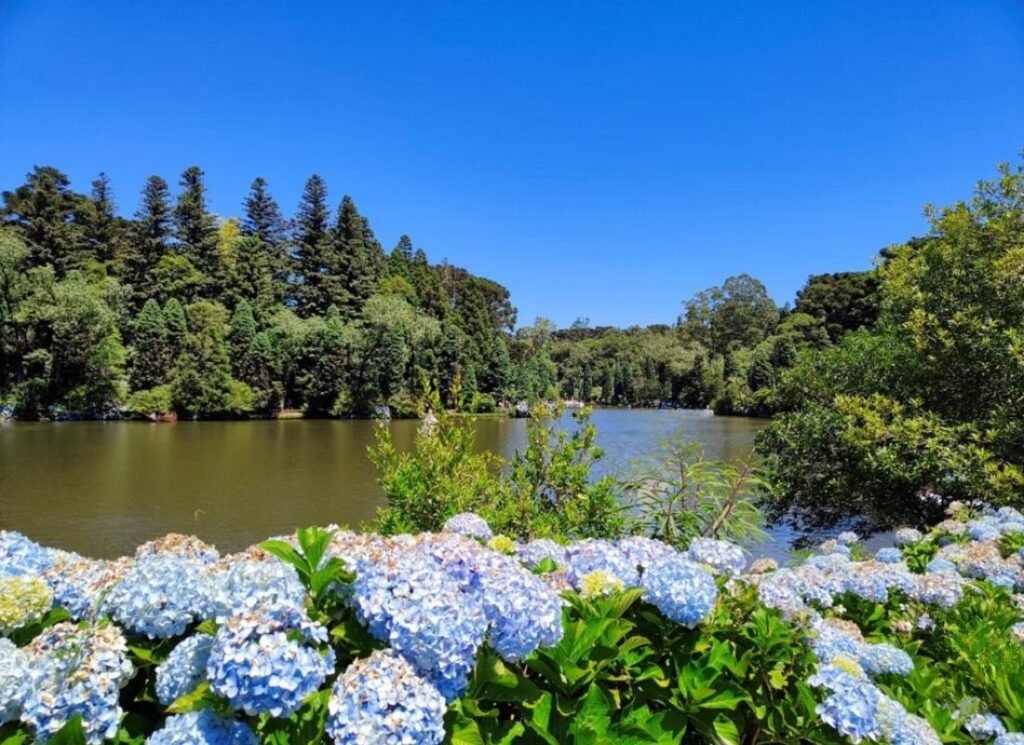
This season coincides with the high season due to school holidays and the famous Natal Luz, which runs from November until mid-January. During this period, Gramado transforms into an illuminated fairy tale, with Christmas decorations everywhere, musical shows, parades, and fireworks that attract families and couples seeking magic. February offers a breather, with similar temperatures but fewer crowds after Carnival, which includes local balls and parades. March, in turn, marks the transition to autumn, with milder days and a drop in tourist activity, making it a budget-friendly option for those looking to avoid peak prices. The advantage of summer is the city’s vibrant energy, with parks like Lago Negro full of paddle boats and picnics, but the challenge lies in higher accommodation costs and lines at popular attractions.
Autumn: A Gentle Transition and Enchanting Colors
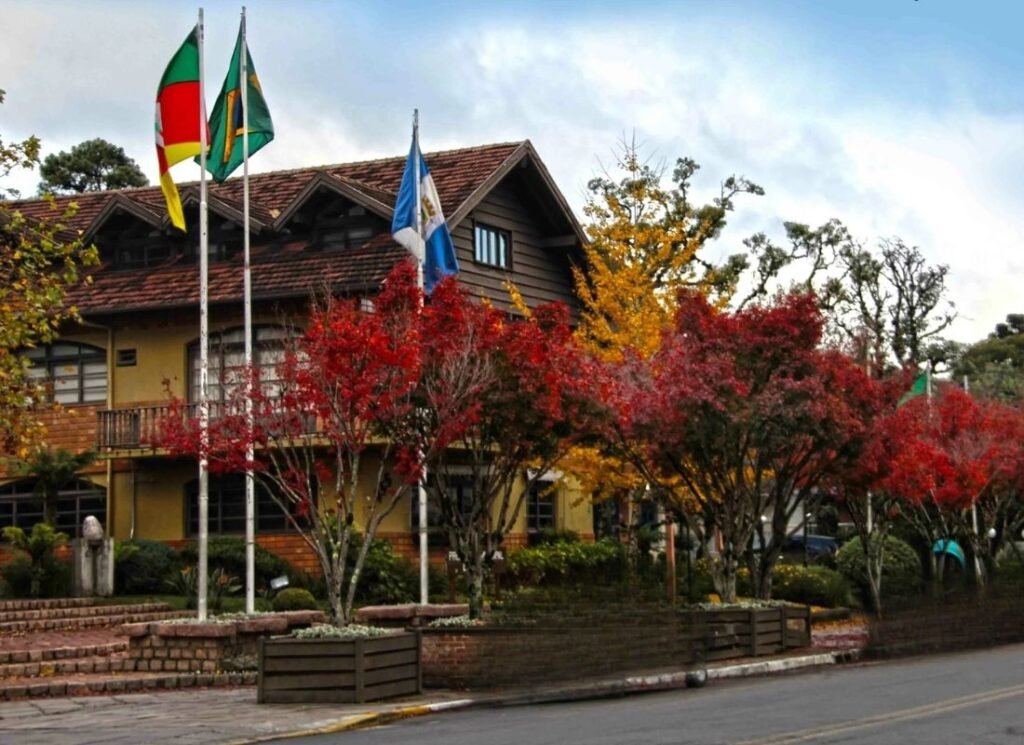
From March to June, autumn in Gramado offers cooler weather, with temperatures gradually dropping from 17°C to 25°C in March to 11°C to 19°C in May. It’s a transitional time when tree leaves change color, creating a reddish-golden carpet reminiscent of European landscapes. Rainfall decreases slightly, with April recording about 130 mm and May around 140 mm, allowing for more dry days to explore nearby wineries or nature trails. This season is perfect for those who appreciate a chill in the air without winter’s harshness, and evenings call for a light sweater or jacket.
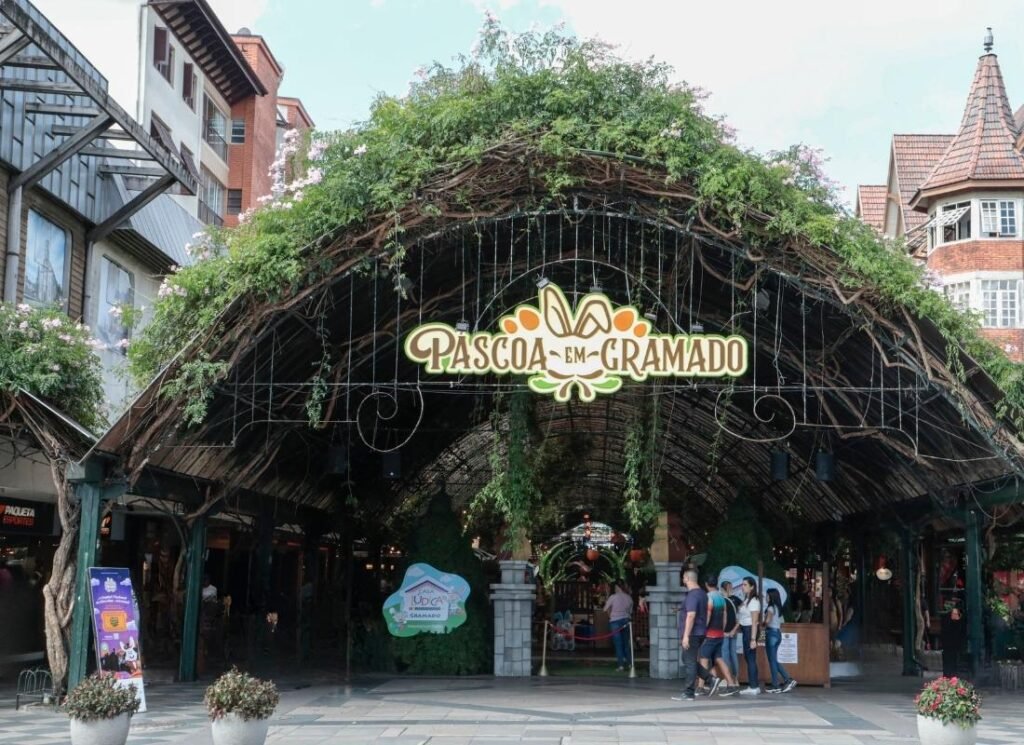
April stands out for the Easter celebration, which lasts nearly a month, with parades, religious processions, and themed decorations featuring giant eggs and bunnies throughout the city. May brings the Festa da Colônia, an event honoring Gramado’s German, Italian, and Portuguese roots, with stalls of artisanal products, folk shows, and cooking workshops where you can sample homemade breads and local wines. As part of the shoulder season, autumn balances activity well: there are enough tourists to keep things lively, but not enough to overcrowd the streets. For travelers seeking romance or culture, this is an ideal time, though it’s wise to be mindful of holidays like Easter, which temporarily drive up prices.
Winter: The Charm of the Cold and High Season
June through August marks the peak of winter in Gramado, with temperatures ranging from 9°C to 19°C, and lows that can drop below freezing during polar fronts, bringing frost and, rarely, snow – an unpredictable phenomenon that mainly occurs in July or August. Precipitation is around 130 mm to 160 mm, with few rainy days, favoring clear, cold days perfect for enjoying fondues in cozy restaurants or visiting chocolate factories for a warm treat. The dry air and starry night skies add a magical touch, making many tourists feel like they’re in an alpine village.
This is the high season par excellence, driven by school holidays and the desire to experience the “Brazilian cold.” June and July are the most sought-after months, with hotels full and prices high, but August gains prominence with the Gramado Film Festival, held at the Palácio dos Festivais, where celebrities walk the red carpet on Rua Coberta and awards with the Kikito statuette animate the city. For winter lovers, the advantages include the romantic atmosphere, with crackling fireplaces in inns and the chance to see frost on the windows upon waking. However, the challenges involve crowds, higher costs, and the need for advance bookings for everything, from accommodation to tickets for Snowland, an indoor snow park for those who don’t want to rely on nature.
Spring: Renewal and Tranquility
September to November marks spring, with temperatures rising from 10°C to 19°C in September to 14°C to 23°C in November, and precipitation increasing to 180 mm to 220 mm, especially in October. Flowers bloom once again, with hydrangeas reappearing and gardens like those at Lago Joaquina Rita Bier bursting into vibrant colors. It’s a time of renewal, where the mild climate allows for long walks and visits to natural attractions without summer’s sweat or winter’s shivers.
September highlights the Festival of Culture and Gastronomy, bringing together local and international chefs for tastings and workshops. October kicks off Natal Luz at the end of the month, setting the stage for the high season, while November dives fully into the festivities with both free and paid light shows and spectacles. As a low-to-shoulder season, spring offers tranquility, with fewer tourists and more affordable prices, ideal for those who want to explore at a leisurely pace. The advantages include a balance of pleasant weather and cultural events, but be aware of the heavier rains in October, which can impact outdoor plans.
Must-See Events That Shape the Seasons
Throughout the year, Gramado pulses with events that transform the city and influence when you should plan your trip. Natal Luz, running from November to January, is the most iconic, featuring dazzling light shows, musicals, and parades that illuminate entire avenues, drawing millions of visitors. In August, the Film Festival brings glamour with movie screenings and celebrity sightings, while Easter in April fills the streets with religious symbolism and family fun. May celebrates the region’s colonial heritage at Festa da Colônia, and February offers Gramado in Concert for classical music lovers. These events not only enrich the cultural experience but also impact crowd levels and costs, making it essential to check the annual calendar to align with your interests.
High Season vs. Low Season: Balancing Budget and Experience
Gramado’s high season primarily falls during winter (June to August) and during Natal Luz (November to January), as well as holidays like Corpus Christi and Easter. During these periods, expect hotel rates to double, packed restaurants, and long lines at attractions—but in return, you get an energetic vibe and exclusive events. On the flip side, the low season in February, March, September, and October (outside holidays) offers significant savings—a fondue that costs R$90 in high season might drop to R$60—along with quieter streets and more chances to connect with locals. For families, winter and summer are ideal due to school breaks, while romantic couples prefer fall or spring for their serenity. Budget travelers should aim for the quieter months, but keep in mind that some attractions may close for maintenance in February.
Practical Tips for Planning Your Trip to Gramado
When deciding on the best time to go, consider your profile: if you dream of snow, bet on July or August, but be prepared for the unpredictable—and visit Snowland as a backup plan. To save money, book flights and hotels well in advance during the low season, and check forecasts on Climatempo to pack the right clothes. Regardless of the season, Gramado offers easy access from Porto Alegre, with buses or rental cars, and a diverse range of accommodations, from charming guesthouses to luxury resorts. Focus on sustainability by choosing eco-friendly tours, and don’t forget to sample the local chocolates any time of year—they’re delicious all year round. Plan based on what you value most: cold weather, festivities, or peace and quiet.
In short, there’s no single best time to visit Gramado, as each season reveals a different side of this charming city. Whether it’s the glow of Natal Luz or the frosty silence of winter, the secret lies in aligning your expectations with the climate and event calendar. With a little planning, your trip will be not only memorable but also optimized for the best the Serra Gaúcha has to offer. Safe travels!
(Word count: 1,652)
Read also: If you’re thinking about visiting outside of winter, check out what to expect in Gramado in the summer: is it worth visiting outside of winter?