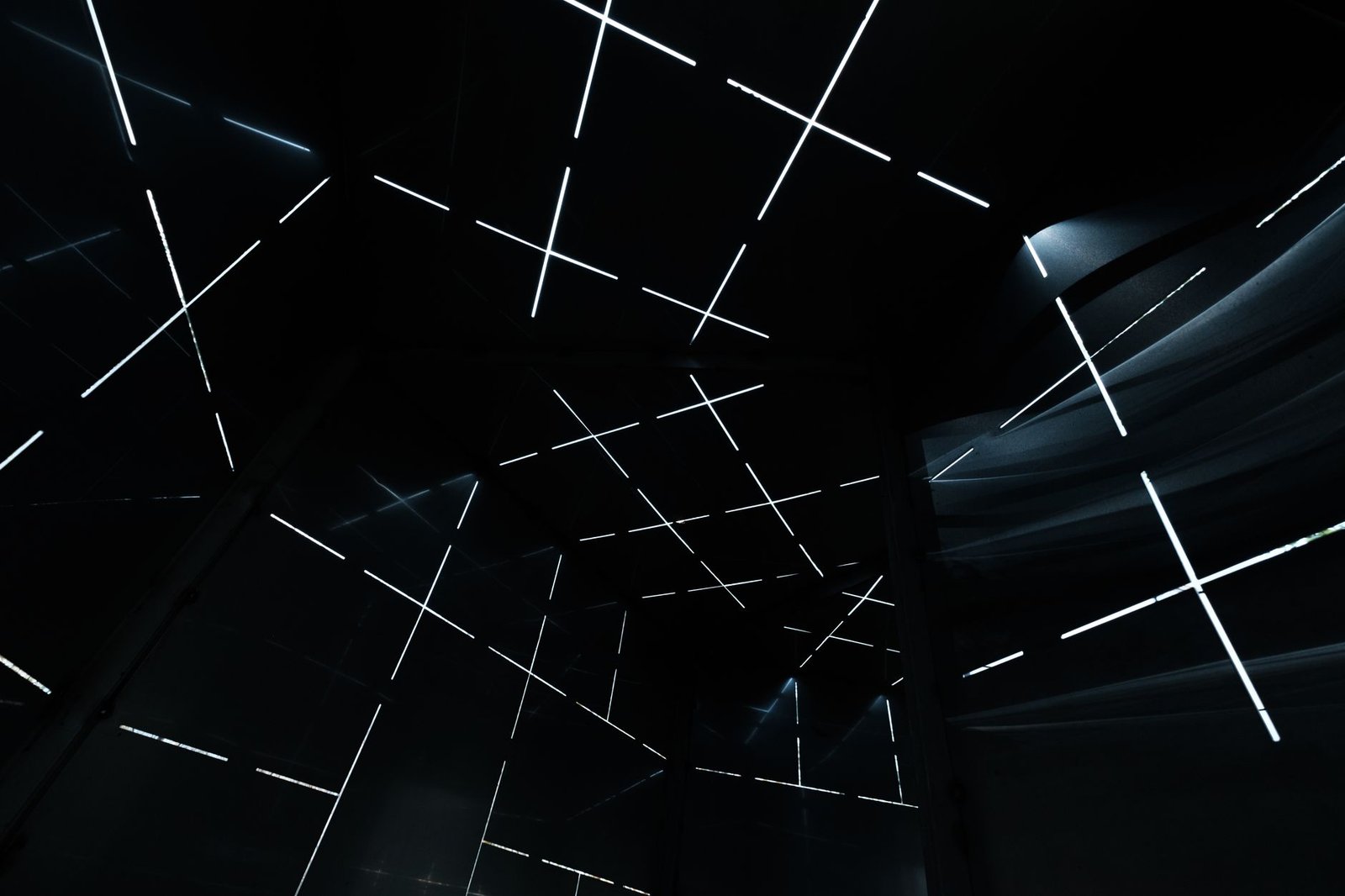
Lumni Park in Gramado: What Is This New Attraction?
If you keep up with what’s new in Gramado, you’ve probably heard about Lumni Park. Amidst established theme parks like Mini Mundo and Snowland, this fresh concept has been generating serious buzz on social media and among travelers heading to the Serra Gaúcha. But what exactly is Lumni Park? Is it worth adding to your trip? This practical guide will break down the attraction that’s shaking up Gramado’s entertainment scene.
What Is Lumni Park?
Lumni Park is an indoor attraction focused on technology, light, and interactive art — a concept quite different from the traditional theme parks that dominate Gramado. Instead of classic physical rides (carousels, slides, simulators), Lumni offers immersive experiences based on projections, light installations, and special effects that blend elements of modern circus, digital art, and family entertainment.
The park is organized into themed zones, each with its own artistic vibe. Here, you don’t just “pass through” the attraction — you’re invited to participate, interact with the installations, and collaborate with others to create unique visual and sound effects. It’s a space that embraces creativity for both kids and adults.
Location and How to Get There
Lumni Park is located in the heart of Gramado, in a strategic spot close to downtown and other major attractions. If you’re staying near Rua Torta or Avenida Borges de Medeiros, it’s just a few minutes by car. For those coming from other cities in the Serra Gaúcha or from Porto Alegre, access is easy via BR-116 and the main highways leading to Gramado.
Parking is plentiful in the area — no trouble finding a spot, even in high season (unlike some other attractions in downtown Gramado). The park has clear road signs, and GPS easily finds the location. Its proximity to restaurants and shops makes it easy to combine a visit to Lumni with a broader stroll through the city center.
Themed Zones: What to Expect Inside
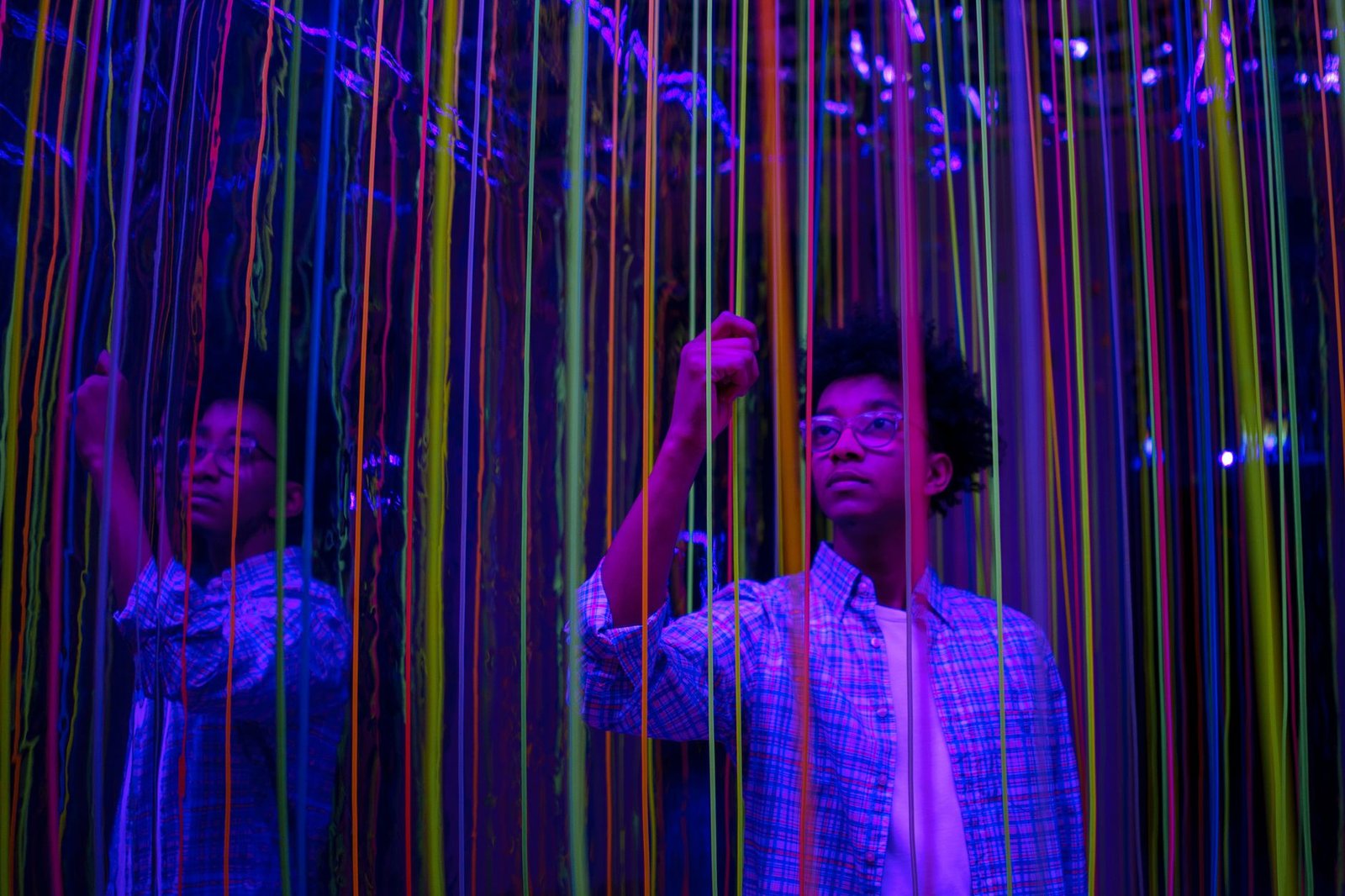
The layout of Lumni Park is designed for a natural flow and gradual discovery. Upon entering, you pass through an atmospheric reception area that starts setting the immersive tone. Then, the park splits into different zones:
Lumini Zone: The entrance and integration space, where visitors begin exploring the concept of interactive light. Panels that respond to movement, a glowing floor that reacts to footsteps — everything is designed to break the barrier between observer and attraction. Little kids are instantly captivated here.
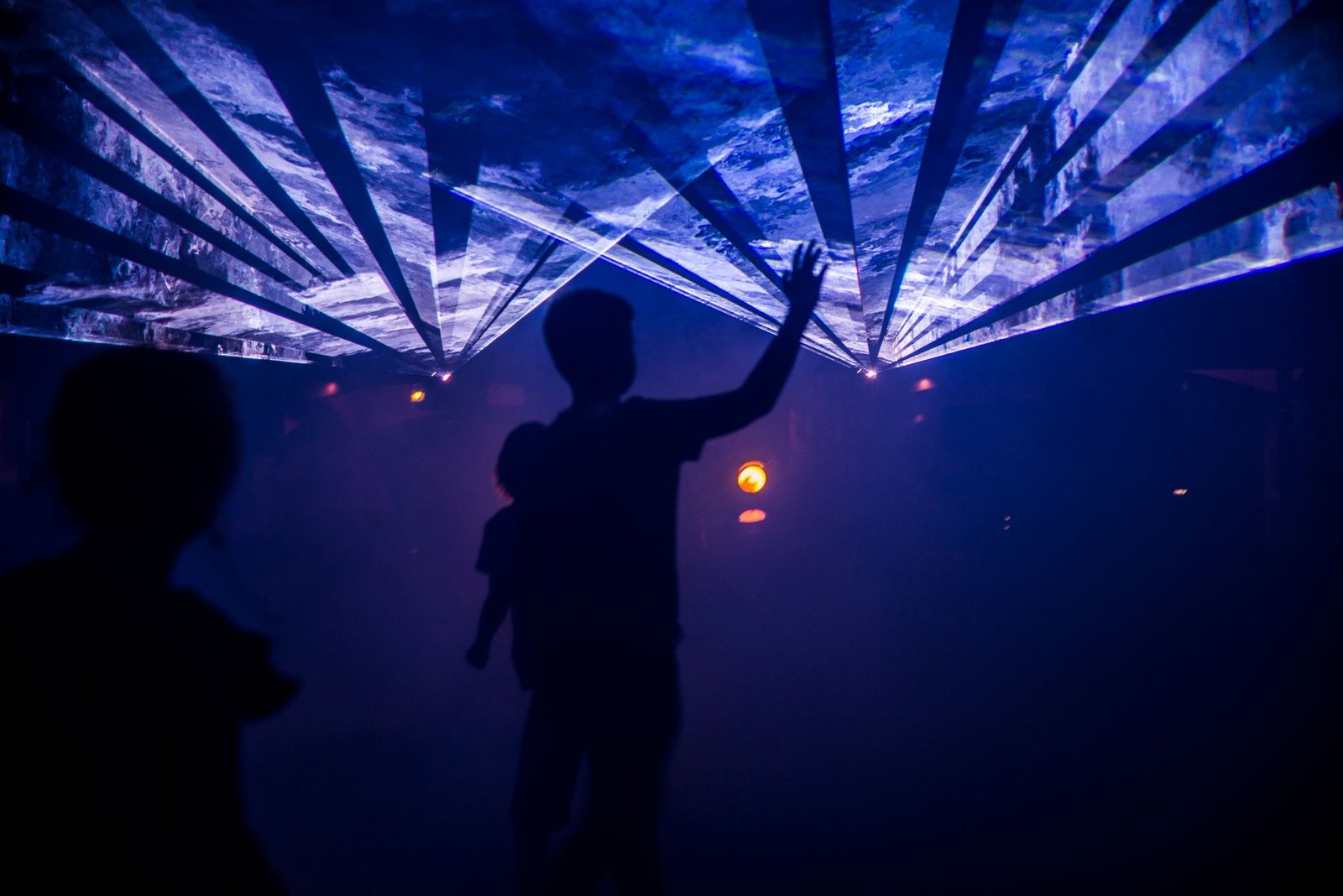
Sonic Arena: A room combining auditory and visual experiences. Color projections sync with sounds created by the audience (claps, jumps, body movements). It’s theatrical, engaging, and especially fun for kids who love movement and noise.
Dream Gallery: A more contemplative zone, featuring artistic light installations that create fantasy scenes — bioluminescent forests, oceans of light, starry skies. It’s more about breathing, photographing, and soaking in the aesthetics. Great for those seeking a more meditative experience amidst the excitement.
Digital Circus: Things get lively again here. Virtually projected acrobats, light-up clowns, circus music reimagined with technology. There are moments where you can try your own “acrobatics,” captured in real-time and projected on the wall — it’s fun and gets everyone laughing.
Illuminated Mirror Chamber: Yes, there’s a classic mirror maze, but in a high-tech version. Mirrors reflecting light, projections playing with perspective — all designed to gently and playfully disorient anyone passing through.
What Age Groups Is It Best For?
Let’s be honest here: Lumni Park isn’t the best option for very young children (under 3-4 years old). The dark areas, loud sound effects in some zones, and the pace of the projections can scare babies and toddlers who prefer more predictable environments. Parents of little ones might find the experience stressful rather than relaxing.
For kids aged 5 to 12, it’s practically perfect. The park is designed for this audience — interactivity, movement, colorful lights, fear-free fun. Kids in this age range love playing with the installations, discovering new effects, and taking photos/videos to share. Average visit time: 1.5 to 2 hours (enough to explore without getting tired).
Teens and adults especially appreciate the artistic side of Lumni. If you’re into urban art, interactive installations, creative photography, or work in design/visual communication, the visit is inspiring. Many people come back for high-quality photos and social media content — the installations are made for it.
Young couples and friend groups find the experience social and laid-back. Older couples might find it a bit “noisy” or tiring, depending on their preference for calm environments.
Quick Comparison with Other Theme Parks in the Region
It’s worth comparing Lumni with the existing options in Gramado to help you decide how to best spend your time:
Lumni Park vs. Mini Mundo Gramado: Mini Mundo appeals to those who want to see detailed, historical miniatures of the city. It’s contemplative, educational, and good for all ages. Lumni is participatory, focused on an immersive sensory experience. If you have time for both, great — they complement each other. If you have to choose one, it depends: younger kids prefer Mini Mundo; older kids and teens prefer Lumni.
Lumni Park vs. Snowland: Snowland is a traditional amusement park (roller coasters, themed rides, artificial winter climate). Lumni is more artistic and calm. Snowland is better for those seeking adrenaline; Lumni for those wanting sensory immersion. Very different audience profiles.
Lumni Park vs. Mundo a Vapor: Mundo a Vapor is all about railway and mechanical nostalgia — trains, carousels, classic fun. Lumni is digital future and contemporary art. Completely different in concept.
Prices, Hours, and Practical Tips
Tickets: Prices vary by season and type of visit (single entry, combo with other attractions). During high season (Natal Luz, July holidays), expect to pay between R$ 80 and R$ 120 per adult. Children under 4 usually enter for free; ages 4 to 12 get half-price (~50% of the adult price). Check the official website before you go for updated prices and possible early-bird discounts.
Hours: Open Wednesday through Sunday, generally from 10 AM to 6 PM (on weekdays) and until 8 PM on weekends and holidays. Closed Monday and Tuesday. During Natal Luz, it’s open every day. Confirm on the website, as the schedule can change.
How much time to budget: Set aside 1.5 to 2 hours. If you want to explore every detail and take lots of photos, you might stay for 2.5 hours. But it’s not a park that demands 4-5 hours like Snowland.
Best time to visit: Mornings (10 AM-12 PM) are generally emptier. If you want a more energetic atmosphere with kids playing around, go in the afternoon (2 PM-5 PM). Evenings (after 6 PM) get quieter again, and the lighting is even more striking (recommended).
Photography tip: The installations are incredibly photogenic. Bring a fully charged phone and consider a more professional camera if you’re an enthusiast. There are no photo restrictions — quite the opposite, the park encourages it.
Accessibility: The park is accessible for wheelchair users and people with reduced mobility. Flat floors, elevators, adapted restrooms. Great for families with mobility challenges.
Why Is Lumni Park Generating So Much Buzz?
In a landscape where Gramado is dominated by “traditional” theme parks (Snowland, Mini Mundo, Mundo a Vapor), Lumni brought an innovative concept. It’s the first attraction of its kind focused on immersive interactive art in the region. It generates extraordinary visual content for social media — Lumni’s photos and videos go viral because they’re beautiful and different from “just another theme park.”
Plus, it answers a growing demand from families and travelers seeking memorable experiences rather than just “tickets” to attractions. The TikTok/Instagram generation loves Lumni. It’s no surprise it’s packed, especially on weekends and during holiday periods.
Frequently Asked Questions About Lumni Park

Is Lumni enclosed and stuffy? Is visitor comfort a concern?
No, despite being indoor, the park has good ventilation and isn’t claustrophobic. Some sections are darkened (part of the experience), but there are always exits and spaces to catch your breath. If you have severe claustrophobia, let the staff know when you enter.
Can I bring outside food?
Generally not allowed, but there’s a café/snack bar inside the park with slightly above-average prices (like any theme park). I recommend eating before you go or right after you leave.
Is it safe for children with special needs (autism, ADHD)?
It depends. The sensory stimulation is intense — for neurodivergent kids who enjoy light and noise, it’s perfect. For those sensitive to these stimuli, it might be uncomfortable. I recommend talking to the staff about less crowded times or calmer zones.
Do I need to book in advance?
In high season, yes. On quiet days (Tuesday, Wednesday, Friday morning), you can buy a ticket at the entrance. But for Natal Luz, July holidays, or weekends, I recommend buying online in advance to guarantee your time slot.
What’s the best season to visit Lumni?
Lumni is indoors, so it doesn’t really matter. But the experience is special in winter (June-August), when it’s cold and gray outside — the contrast with the warm lights inside is stunning. It works well in summer too, especially as a way to escape the heat for a while.
Is It Worth Including Lumni Park in Your Trip?
Short answer: it depends on your traveler profile.
Include Lumni if: You’re traveling with kids aged 5-12, you’re a fan of art/design, you love taking creative photos, you’re looking for memorable experiences beyond “traditional park tourism,” or you’re in Gramado for 3+ days and have already visited the classic attractions.
Skip Lumni if: You’re traveling with babies or very young children, you only have 1 day in Gramado (prioritize Snowland and Mini Mundo), you’re allergic to intense sensory stimulation, or you prefer outdoor and nature-based activities.
If you fall into the first category, Lumni Park deserves a spot on your itinerary. It’s different, it’s cool, and the kids will ask to go back. Setting aside 2 hours in an afternoon is a smart investment in creating memories that stick.
Conclusion: Gramado Keeps Evolving
Lumni Park represents an evolution in Gramado’s attraction scene. While Mini Mundo and Snowland remain irreplaceable classics, Lumni comes in as an innovative complement — proof that the city not only maintains tradition but also embraces creativity and novelty. If you’re planning a trip to the Serra Gaúcha, especially with older kids, put Lumni on your list. And if you’ve already visited, share your experience — the more people discover this attraction, the stronger it gets, and the more investment in innovation Gramado’s tourism receives.