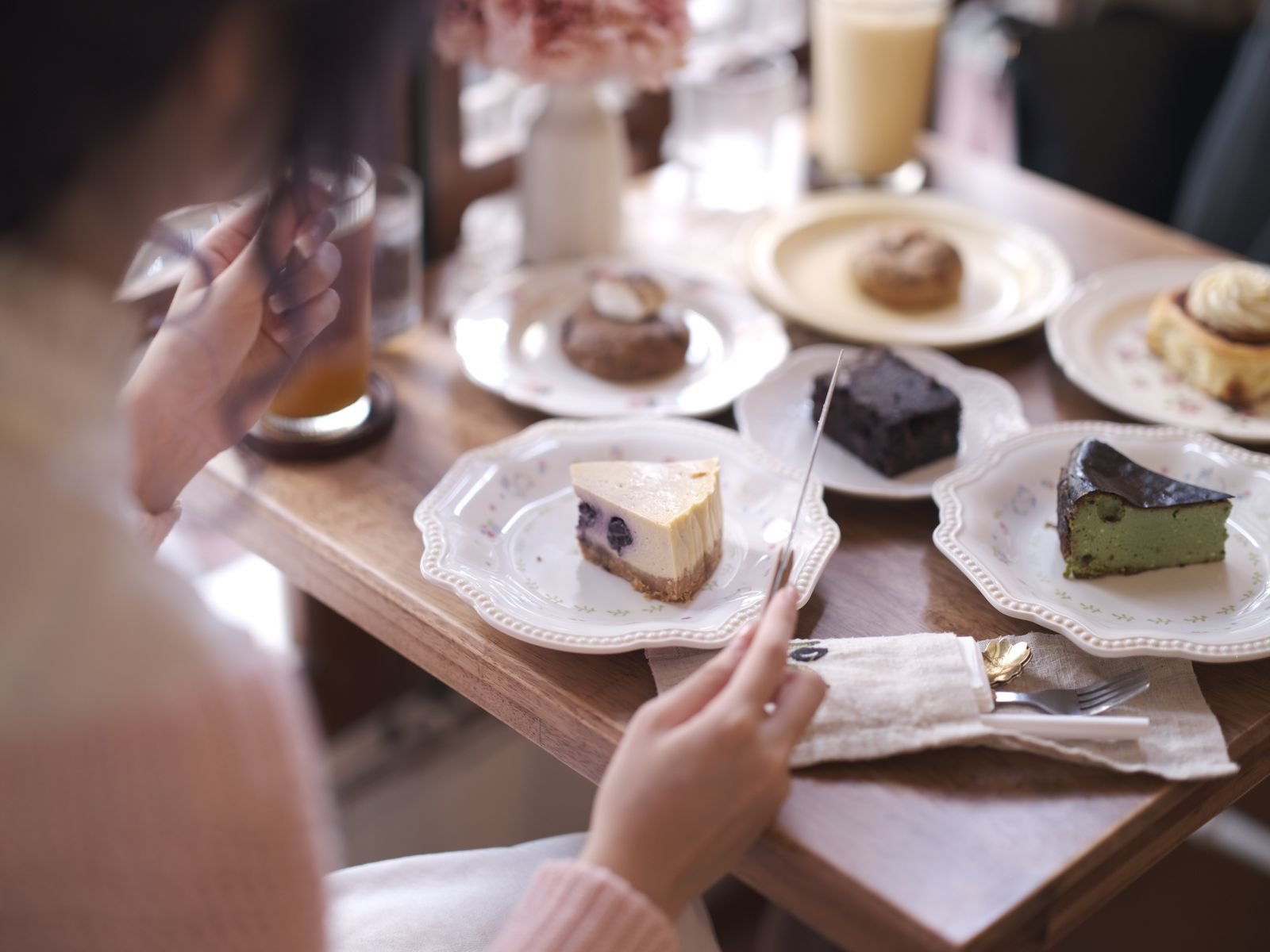
If there’s one food experience that defines a trip to Gramado and Canela, it’s the colonial coffee. More than just a meal, the colonial coffee is a celebration of the European immigrant heritage that settled the Serra Gaúcha region—a lavish table with dozens of options for breads, fruit cakes, jams, cured meats, cheeses, and sweets, served in settings that evoke the farmhouses of southern Brazil. In this guide, you’ll learn about the origins of this tradition, what to expect from a colonial coffee table, average prices, and tips for choosing and booking yours, whether in Gramado or Canela.
The origin of colonial coffee in Serra Gaúcha
The colonial coffee was born from the abundant tables of German and Italian immigrants who settled in Rio Grande do Sul starting in the 19th century. On rural properties, it was common for families to gather around a large table in the late afternoon, with homemade goods: breads, fruit cakes, seasonal fruit jams, cured meats like salami and copa, colonial cheeses, and fresh butter. This originally domestic habit was transformed into a tourist attraction from the 1970s and 1980s onward, when hotels and restaurants in the region realized the potential of this experience for visitors.
Today, the colonial coffee is one of the main culinary draws of Gramado and Canela, especially during winter, when the mountain chill pairs perfectly with hot drinks, fondues, and loaded tables. But keep in mind: this is an experience you can enjoy any time of year, not just during the peak July season.
What to expect from a colonial coffee table
A traditional colonial coffee table typically features between 40 and 100 different items, depending on the establishment. Highlights include: assorted breads (corn, whole wheat, potato), fruit cakes in various flavors (the classic banana and cinnamon cake is almost mandatory), artisanal jams made from fruits like blackberry, grape, and fig, cured meats (salami, copa, ham), fresh and aged cheeses, butter and cream, eggs, fresh and candied fruits, sweet and savory pies, cakes, butter cookies, and of course, freshly brewed drip coffee, along with teas and hot chocolate.
In many places, the colonial coffee is served buffet-style, with constant replenishment—which means it’s worth taking it slow, sampling a bit of everything, and saving room for the sweets at the end. Some establishments also include hot items like grilled bread, made-to-order omelets, or pancakes, making the experience even more complete.
A typical menu, item by item
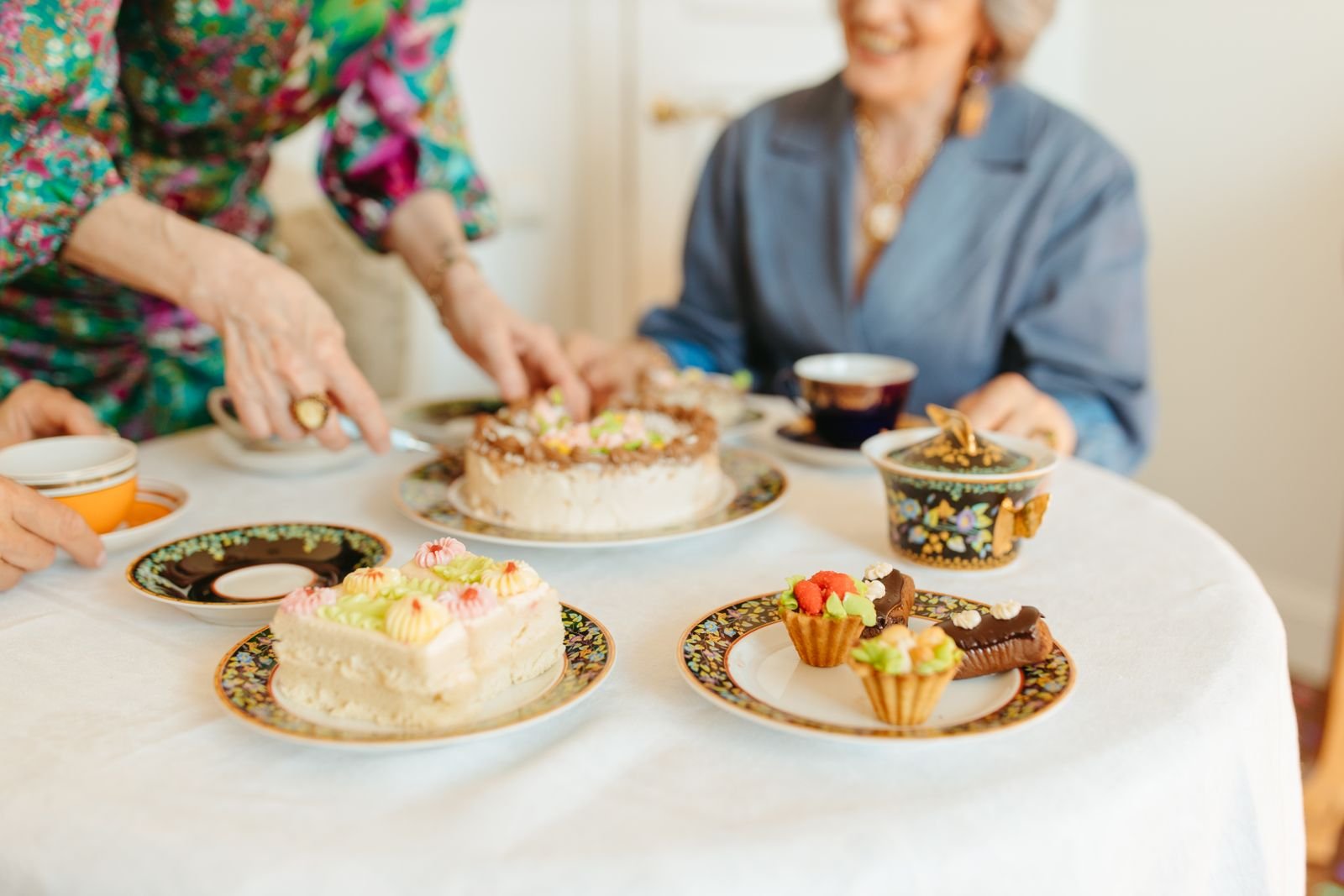
For those who have never experienced a colonial coffee, it’s worth detailing what usually makes up the table. In the bread and pastry section, you’ll commonly find homemade white and whole wheat bread, cornbread, potato bread, cornmeal cake, and of course, the fruit cakes—a German recipe that becomes a kind of “flat cake” topped with sweet crumble, with flavors like banana, grape, plum, and cinnamon.
In the cold cuts and savory section, you’ll find colonial cured meats like Italian-style salami, copa, cured ham, and artisanal mortadella, along with fresh cheeses, aged cheeses, and creamy requeijão—many produced by small local dairies. To accompany them, homemade butter, cream, and fruit jams like blackberry, grape, fig, blueberry, and pumpkin with spices are practically ubiquitous.
As for sweets, it’s common to find cakes of different flavors (orange, cornmeal, chocolate, carrot), pies (lemon, strawberry, walnut), butter cookies, preserved fruits, fresh seasonal fruits, and in some places, even artisanal chocolates—after all, the region is also known for its fine chocolate production. For drinks, besides freshly brewed drip coffee (served continuously), there are usually assorted teas, natural juices, and in some establishments, creamy hot chocolate, which makes all the difference on cold days.
Average prices
The prices of colonial coffee in Gramado and Canela vary quite a bit depending on the establishment, the number of items offered, and whether the meal is included in your accommodation or sold separately. Generally speaking, you can find simpler options for prices close to an executive lunch, while the more traditional and complete colonial coffees—with a greater variety of items and more elaborate settings—usually cost the equivalent of a dinner at a mid-range restaurant per person.
Children often get a discount, and some places charge different rates for breakfast, afternoon coffee, and dinner in the colonial format. It’s always worth confirming what’s included in the price (hot drinks, juices, service charge) before sitting down, especially on high-demand dates. Even outside peak season, it’s a good idea to check in advance if your chosen spot is operating normally, as some reduce their operating days during slower periods, like certain weeks in fall and spring.
Where to find colonial coffee in Gramado
Gramado concentrates most of the colonial coffee offerings in the region, with places ranging from simple, family-run setups to large themed halls decorated with references to the half-timbered architecture typical of the city. Many are located along Avenida das Hortênsias and in neighborhoods near the center, easily accessible on foot or by car from the main hotels.
Some traditional houses operate in a fixed-time “afternoon coffee” format, while others also offer the service at breakfast or as dinner. It’s worth researching in advance whether the place works with one or more shifts, since during peak season (especially July), the most well-known houses often fill up quickly.
Where to find colonial coffee in Canela
Canela, Gramado’s neighbor, also has great colonial coffee options, usually in slightly smaller, more family-oriented houses, with prices on average a bit more affordable than those in Gramado. Many of these places are on properties with gardens or nature views, which fits well with the city’s quieter profile, known mainly for Caracol Park and nature trails.
For those staying in Canela who want to avoid the traffic into Gramado (especially on weekends and peak holiday periods), it’s worth considering one of the local options—the quality and variety are usually very good, with the added advantage of generally less crowded settings.
Timing and reservation tips
The colonial coffee usually has fixed operating hours—generally in the afternoon (around 3 PM to 7 PM or 8 PM), although some places also serve it at breakfast or offer a dinner version. Because it’s a highly sought-after experience, especially in July, long weekends, and holidays, advance reservations are highly recommended—in many cases, mandatory.
Some practical tips: arrive at opening time to enjoy the complete and “fresh” table; avoid going in too hungry straight for the savory items, leaving room to try the sweets; and if you’re traveling in a large group, confirm whether the establishment has capacity and if there’s a time limit at the table, as some places work with shift-based schedules.
Colonial coffee included in accommodation or separate?
A common question among those planning their trip is whether it’s worth choosing an inn or hotel that already offers colonial coffee included in the daily rate. In general, accommodations that serve colonial coffee at breakfast tend to be more expensive than those offering only a traditional breakfast—but for those who value this experience, it can be worth it, as it eliminates the need to go out and find this type of meal elsewhere.
On the other hand, many travelers prefer to stay in simpler accommodations (with a basic breakfast) and book the colonial coffee as a “special activity” at a renowned house, separately, usually in the afternoon. This second option allows you to try different places throughout your stay, instead of repeating the same one—a good strategy for those staying several days in the region who want to vary their culinary experience.
What type of traveler is colonial coffee for?
The colonial coffee is a great option for honeymooning couples, families with children, and groups of friends alike—after all, it’s an experience that naturally encourages conversation and time spent at the table, without rushing. For those on tighter itineraries in Serra Gaúcha, it’s worth setting aside at least one afternoon or evening specifically for this experience, with no commitments afterward, since it’s common to leave feeling very satisfied (and with no room for anything else).
It’s also a good alternative for rainy or extra cold days, when outdoor activities are less inviting: a bountiful table, a warm atmosphere, and a convivial vibe make the colonial coffee a perfect program to “warm up” your day.
Etiquette and tips for making the most of it
Despite the informal vibe, a few small gestures help you enjoy the experience more and respect both the establishment and other visitors. Avoid bringing containers to “pack up” food—replenishment is constant, so there’s no need to save portions for later, and many places don’t even allow this practice. Opt for small portions on each plate, going back as many times as you like, instead of piling your plate all at once: this way you can try more varieties without waste.
Another important point is table time. Since many colonial coffee houses work with shift-based schedules (especially during peak season), there’s often a time limit—usually between an hour and a half and two hours. Enjoy this time at a relaxed pace, but keep in mind that other groups may be waiting for the next slot, especially on weekends.
Finally, bring a light jacket even if the setting is indoors: many colonial coffee halls in Gramado have rustic decor with fireplaces and high ceilings, and the temperature can vary quite a bit between tables closer to the doors and those further inside.
Is a colonial coffee in Gramado or Canela worth it?
Without a doubt. The colonial coffee is one of the most authentic and memorable experiences that Serra Gaúcha has to offer, combining gastronomy, the history of European immigration, and that welcoming family-table atmosphere. Whether in Gramado, with its more elaborate and scenic houses, or in Canela, with more intimate options, setting aside time for a colonial coffee is almost a must-do on your itinerary—and it’s worth planning ahead, especially if your trip falls during peak season.