How to Get to Gramado: By Plane, Bus, or Car
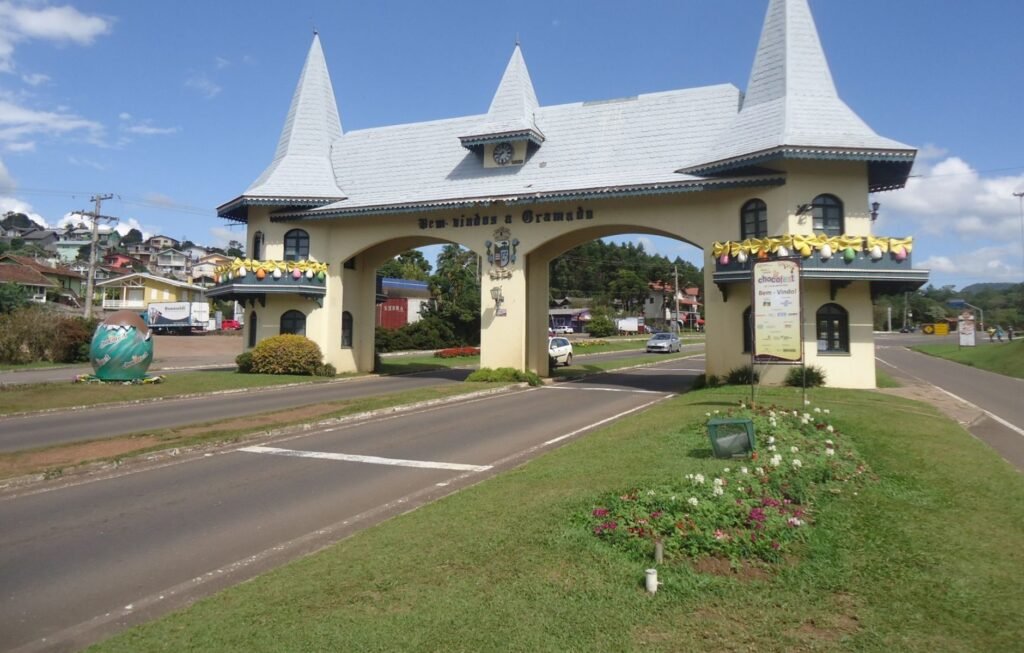
🇧🇷 POR | 🇫🇷 FR | 🇺🇸 EN | 🇪🇸 ES Gramado is one of Brazil’s most charming destinations, and getting there is easier than many people imagine. Whether you’re coming by plane, bus, or car, each option has its own perks and quirks. In this complete guide, you’ll find out which mode of transport suits your travel style best, how long each route takes, and what costs are involved. The town sits in the Serra Gaúcha region, about 80 miles from Porto Alegre, and is perched at a high altitude with breathtaking landscapes. Access is served by good roads, a nearby international airport, and regular bus lines, making trip planning a breeze. How to get to Gramado by plane Gramado doesn’t have its own airport. The closest one is Salgado Filho International Airport in Porto Alegre (POA), about 80 miles from town. There’s also Caxias do Sul Airport (CXJ), roughly 40 miles away, which is a solid alternative depending on where you’re coming from. Most flights to Porto Alegre depart from São Paulo (Guarulhos and Congonhas), Rio de Janeiro, Brasília, Belo Horizonte, Curitiba, and other Brazilian capitals. A flight from São Paulo, for instance, takes about 1 hour 30 minutes. From Salgado Filho Airport, you’ll still need ground transport to Gramado. Transport options from Porto Alegre airport to Gramado Private transfer: the most comfortable and direct option. Specialized companies offer scheduled shuttles from the airport to Gramado. The trip takes around 1 hour 45 minutes to 2 hours, depending on traffic. Prices range from $35 to $60 per person, or $100 to $180 for a whole car. It’s well worth it for groups or families. Bus with a connection in Canela or Caxias: from Porto Alegre airport, you can catch a bus from Caxiense or Unesul heading to Gramado, with or without a transfer. Total time can vary between 2.5 and 3.5 hours, including waiting. The cost is much more affordable: around $12 to $18. Car rental: major rental companies (Localiza, Movida, Unidas, Hertz) have counters at Salgado Filho Airport. It’s a great option if you want flexibility to explore the Serra Gaúcha during your stay. The route via the ring road and RS-020 is well-signposted and pleasant. Caxias do Sul Airport: is it worth it? Hugo Cantergiani Airport in Caxias do Sul has direct flights from São Paulo (Congonhas), Rio de Janeiro (Galeão), and Brasília. The big plus is its proximity to Gramado—just 40 miles—which cuts down ground transfer time significantly. However, flight options are fewer and prices tend to be a bit higher than those to Porto Alegre. Still, if you’re coming from São Paulo, it’s worth comparing fares, as sometimes flying into Caxias ends up being cheaper. How to get to Gramado by car Driving to Gramado is a popular choice, especially for travelers already in Rio Grande do Sul or neighboring states. The roads are good, the route is safe, and the Serra Gaúcha landscape is a show in itself—especially on the climb up the mountains. From Porto Alegre The most common route from Porto Alegre to Gramado goes via BR-116 toward Caxias do Sul, then exits onto RS-122 or RS-020. The distance is about 80 miles, and the estimated drive time is 1 hour 45 minutes to 2 hours, depending on traffic in the capital and on the mountain climb. The RS-020 route (Rota do Vale) is considered one of the most scenic, cutting through fields and native forests before entering the Serra Gaúcha. Another popular route is via RS-115, passing through Taquara and Nova Petrópolis—known as the Rota Romântica—offering even more impressive views with valleys, vineyards, and German- and Italian-heritage villages. It’s a bit longer (about 93 miles), but highly recommended if you have time and want to soak up the journey. From São Paulo and other capitals From São Paulo, the distance to Gramado is roughly 715 miles via BR-116 (Presidente Dutra Highway, then BR-116 South). The full trip can take between 13 and 15 hours of continuous driving—ideal if you hit the road early in the morning to enjoy emptier highways. Curitiba is about 435 miles away, and Florianópolis is roughly 285 miles from Gramado. For long road trips, it’s essential to plan rest stops, check your vehicle before leaving, and respect speed limits on the highways. The mountain climb, especially on RS-020, has tight curves that demand extra caution—particularly in winter, when fog or drizzle can appear. Tolls along the way Most roads leading to Gramado have tolls. The total cost depends on the route you choose, but generally, you can expect to pay between $6 and $12 in tolls when coming from Porto Alegre, depending on the path. Apps like Google Maps or Waze show tolls along the way and help you pick the most economical or fastest route. How to get to Gramado by bus The bus is the most budget-friendly option for travelers without a car. Gramado has a well-equipped bus station on Avenida das Hortênsias, with lines from Porto Alegre, Caxias do Sul, Canela, and other towns in the region. From Porto Alegre to Gramado The company Caxiense runs direct lines between Porto Alegre and Gramado, departing from Porto Alegre’s bus station (Largo Vespasiano Júlio Veppo, downtown). The trip takes about 2.5 to 3 hours. Departures happen at regular intervals throughout the day—it’s a good idea to check schedules on the company’s website or by phone in advance, as they vary by day of the week and season. Ticket prices from Porto Alegre to Gramado range from about $12 to $18, depending on the bus class (conventional or semi-sleeper). For peak seasons—Natal Luz, Easter, July—it’s crucial to buy tickets in advance through the Caxiense website or platforms like Buser and Clickbus. From Caxias do Sul to Gramado If you flew into Caxias do Sul or are visiting the city, there’s regular transport between Caxias and Gramado. The trip takes about 1 hour, with buses running frequently throughout the day. This is also a great route if you’re doing a Serra Gaúcha
How Much Does a Trip to Gramado Cost: Complete Budget Guide
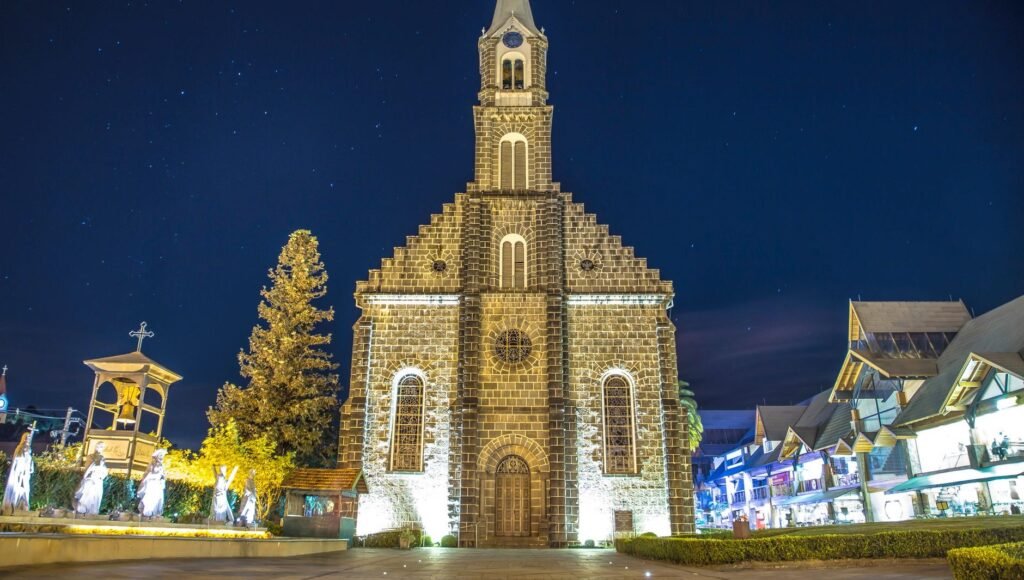
🇧🇷 POR | 🇫🇷 FR | 🇺🇸 EN | 🇪🇸 ES Gramado is often associated with an expensive trip—and the city does have upscale options for every profile. But how much does a trip to Gramado actually cost? The answer depends heavily on your choices: type of accommodation, dining, number of parks visited, and time of year. In this guide, you’ll find a complete and realistic budget, with reference values for different spending ranges. We’ll break down costs by category—transportation, lodging, dining, tickets, and extras—so you can put together the ideal budget for your traveler profile, whether budget-conscious, mid-range, or premium. Transportation: How Much It Costs to Get to Gramado The first major cost of a trip to Gramado is getting there. Since the city doesn’t have its own airport, access is via Porto Alegre (130 km) or Caxias do Sul (65 km). For a complete guide on transportation options, check out our article How to Get to Gramado: By Plane, Bus, or Car. In short, average transportation costs per person departing from São Paulo are as follows: by plane, the SP–POA airfare costs between R$ 250 and R$ 600 (one way), depending on how far in advance you book and the season. Add the Porto Alegre–Gramado transfer (R$ 180 to R$ 300 per person in a shared van, or R$ 500+ in a private car). Total per person: R$ 430 to R$ 900. By bus, the SP–Porto Alegre ticket (sleeper bus) runs around R$ 200 to R$ 350, and from the Porto Alegre bus station to Gramado, another R$ 60 to R$ 90. Total per person: R$ 260 to R$ 440. By car, fuel from SP to Gramado (1,150 km) ranges from R$ 350 to R$ 600 in gas (one way), with tolls adding R$ 80 to R$ 120. For groups of 4, driving your own car is usually the most economical option. Accommodation in Gramado: From Budget to Luxury Accommodation is often the biggest cost of a trip to Gramado. The city has options for every profile, but prices skyrocket during high season—Natal Luz, July, and Easter. Budget (hostels and simple inns): You can find beds in Gramado hostels for R$ 80 to R$ 140 per person/night. Double rooms in simple inns run between R$ 200 and R$ 350 per night outside of peak season. Mid-Range (inns and small hotels): The sweet spot in Gramado is the charming inns with included breakfast, which charge between R$ 380 and R$ 700 per night for two adults. These accommodations feature themed decor, well-kept gardens, and a hearty breakfast—the city’s strong suit. Premium (luxury hotels and resorts): Gramado has high-end options like Kurotel, Sheraton, and exclusive boutique inns. Prices range from R$ 900 to R$ 3,000 or more per night for two adults, especially during the Natal Luz period. Tip: Book at least 60 to 90 days in advance if you’re going during Natal Luz (October to January). Prices increase 50% to 100% compared to the low season, and the best accommodations sell out quickly. Dining: From Snacks to Fondue Gramado is a foodie city, and dining deserves special attention in your budget. The extremes are wide: you can have lunch for R$ 30 at a food court or spend R$ 200 per person on a fondue dinner with wine. Breakfast: Many inns include breakfast in the daily rate—and in Gramado, this breakfast is usually generous, with cakes, artisanal jams, cold cuts, eggs, and much more. If it’s not included, a full breakfast at a bakery runs between R$ 30 and R$ 60 per person. Lunch: A lunch at a self-service or pay-by-weight restaurant in the center costs R$ 35 to R$ 70 per person. More elaborate à la carte restaurants charge R$ 80 to R$ 150 per person with a drink. Fondue Dinner: Gramado’s most iconic dish. A complete fondue dinner (appetizer, cheese, and chocolate) for two at a renowned restaurant runs between R$ 300 and R$ 500, including drinks. If you want to save, there are more affordable options between R$ 150 and R$ 250 for two. Colonial Coffee: One of the most sought-after experiences in Gramado and Canela. Prices hover around R$ 80 to R$ 140 per person, featuring a table laden with breads, cakes, chocolate cakes, salamis, cheeses, and artisanal sweets. It’s usually served in the afternoon. Chocolates and Sweets: Gramado is famous for its artisanal chocolates. Set aside R$ 50 to R$ 150 to buy gifts and treats at the city’s chocolate shops. Tickets and Attractions: How Much It Costs to Visit the Parks Gramado and Canela have several parks and paid attractions. Check out the reference prices, which may vary by season: Mini Mundo: R$ 65 to R$ 80 per adult. One of Gramado’s most charming attractions, featuring miniature replicas of monuments from around the world. Well worth a visit, especially with kids. Snowland: R$ 150 to R$ 250 per person (price varies by chosen package and season). It’s Brazil’s only indoor snow park, with various activities in real snow. One of the priciest, but also one of the most unique. Gramado Zoo: R$ 60 to R$ 80 per adult. A modern zoo focused on animal welfare, with various species in natural habitats. Knorr Park: Free entry or a symbolic fee. A public park with a lake, trails, and beautiful landscapes. A great option to save money without missing out on a scenic outing. Caracol Park (Canela): R$ 25 to R$ 40 per adult. A must-see to view the famous Caracol Waterfall—a 131-meter (430-foot) cascade. Located in Canela, 7 km from Gramado. Canela Aerial Tram: R$ 60 to R$ 90 per person. A cable car with stunning views of Caracol Park. It tends to have a line, so arrive early. Total Budget: Practical Examples by Profile To make planning easier, here are three budget examples for a 4-day, 3-night trip to Gramado for two people, departing from São Paulo by plane: Budget Profile (total: ~R$ 3,000 for two): Discount flight (R$ 350 per person), shared transfer (R$ 200 per person),
2 Days in Gramado: The Essentials for Your Visit
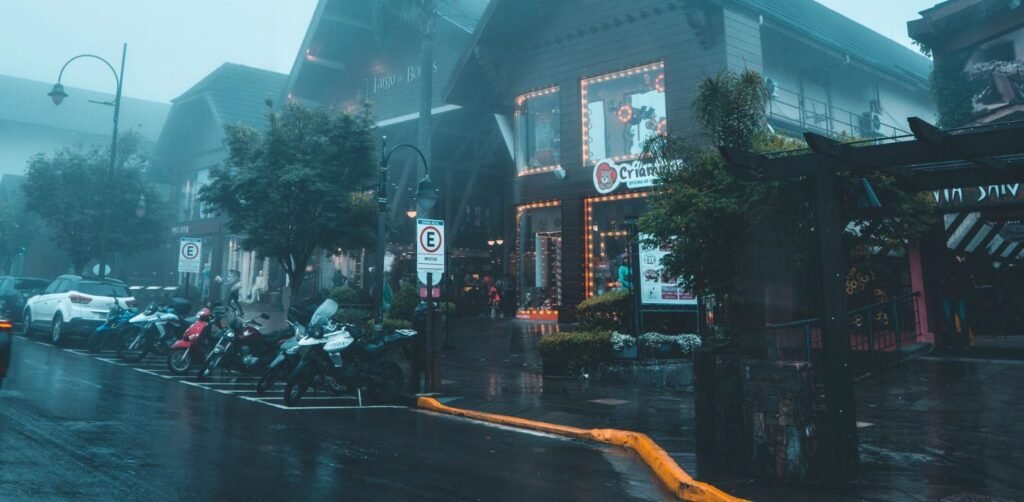
🇧🇷 POR | 🇫🇷 FR | 🇺🇸 EN | 🇪🇸 ES Gramado is deceptive. You arrive, see the small, compact center, and think: “Can I really do everything in two days?” Yes, you can — if you know what to choose. The historic center, Black Lake, one theme park, and Canela: that’s the core experience, and you can fit it all into a Saturday and Sunday without feeling like you’re on a marathon. The logic of this itinerary is simple: Day 1 in Gramado’s center and Black Lake. Day 2 at a theme park and neighboring Canela. If you arrive Friday night, enjoy a good dinner, sleep well, and start Saturday rested. No rushing, no endless list. Gramado’s center blends European architecture with the lush nature of the Serra Gaúcha. | Photo: Zeca Souza / Pexels Before You Start: What to Know About Gramado in 2 Days Gramado is located in the Serra Gaúcha, about 115 km from Porto Alegre via the BR-116 highway. The drive takes around 1h30 — longer in high season when traffic up the mountain gets heavy. By bus from Porto Alegre, the companies Citral and JBL run the route daily. For getting around Gramado on Day 1, you’ll mostly be on foot. The center, Rua Torta, and Black Lake are all within 2 km of each other. For Canela on Day 2, you’ll need a car, Uber, or taxi — it’s 7 km and less than 15 minutes away. Uber works, but availability can be spotty during peak times. Have a local taxi number as a backup. About the weather: bring a jacket no matter the month. In winter (June–August), it can get genuinely cold — zero degrees isn’t uncommon. In summer, the days are mild and the nights are cool. The mountains always call for an extra layer. Day 1 in Gramado: Center, Rua Torta, and Black Lake Morning — Breakfast and Rua Torta Don’t try to head out before having a good coffee. Gramado has cafés with rye bread, colonial cheese, and homemade jams that will make you want to sit there all morning. Consider this your first activity of the day, not a break. Afterward, head to Rua Torta. The name explains the look: it’s the curve formed by Rua Garibaldi and Avenida das Hortênsias, lined with half-timbered houses, flowers in the windows, and well-kept gardens. Free. It takes about 30 minutes to stroll leisurely and stop for photos. It’s the kind of place that appears on every Gramado brochure — and that, in real life, still impresses. Gramado is known for the half-timbered architecture inherited from German immigrants in the Serra Gaúcha. | Photo: Joerg Hartmann / Pexels Next, stop by Praça Major Nicoletti — Gramado’s nerve center. The surrounding streets are filled with artisan chocolate shops. Taste before you buy: the difference from industrial chocolate is huge, and it’s worth taking some boxes as gifts. Just don’t fill your backpack at the start of the day. Afternoon — Lunch and Black Lake For lunch, stick to the center. Italian influence is on every menu — fresh pasta with funghi or bolognese sauce is a safe bet. The average price ranges from R$40 to R$100 per person, depending on the place. Near Praça Major Nicoletti, you’ll find options for different budgets. After eating, head to Black Lake. Free entry. The full walk around the lake takes about 40 minutes at a relaxed pace — among hydrangeas, araucaria pines, and the green reflection of the vegetation on the water. This is where Gramado most feels like a real European town: the silence, the landscape, the cool air on your face. Want an extra experience? The paddle boats run from 8:30 am to 6 pm. The swan-shaped ones cost R$50 for two people; the pirate ship style, R$60 for up to four (two adults and two children up to 10 years old). Seniors over 60 get a discount. On holidays, the line can be long — arrive in the morning if you want to avoid the wait. Important note: If you enjoyed this first day and are thinking about coming back with more time, it’s well worth checking out our complete 4-day Gramado itinerary — there you’ll find attractions that don’t fit into two days, like Knorr Park, the Serra wineries, and a more detailed visit to Canela. Evening — Dinner in Gramado Day 1’s evening calls for fondue. Not because it’s touristy — because it makes sense. On a cold day in the mountains, a pot of melted cheese with bread and red wine feels like a ritual. Cheese fondue, meat fondue, and chocolate fondue are the most common options, usually between R$90 and R$160 per person. Another good option is a colonial coffee in the afternoon. It’s not a snack: it’s a full meal with pies, breads, cold cuts, cheeses, sweets, and more desserts than you’ll be able to eat. Colonial coffee houses usually stop serving between 7 pm and 8 pm — plan your afternoon schedule with that in mind. Day 2 in Gramado: Theme Park and Canela Morning — Choose One Theme Park With only two days, pick one park. Trying to fit in two results in two mediocre visits. Each park deserves time. The main options: Mini Mundo (Rua Horácio Cardoso, 291) is the classic choice. It features 1:24 scale replicas of monuments from around the world — the level of detail is surprising. Open daily from 9 am to 5 pm. Adult tickets from R$88 online; children and seniors, R$48. Children up to 2 years old are free. Set aside at least 2 hours. Buy in advance on the official Mini Mundo website. Snowland is for those who want real snow. Ski slopes, toboggan runs, sleds, and real snow year-round — the only park of its kind in Brazil. Especially recommended for children and anyone who has never seen snow. Check availability and times on their website before you go. GramadoZoo works well for younger children, ages 3 to 8. It’s calmer,
Gramado in Summer: Is It Worth Visiting Outside of Winter?
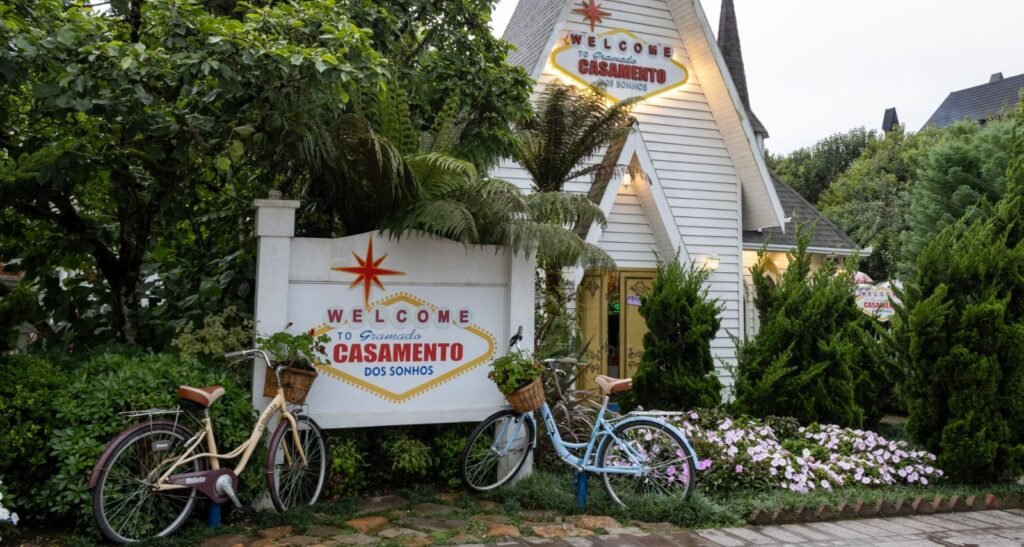
🇧🇷 POR | 🇫🇷 FR | 🇺🇸 EN | 🇪🇸 ES When most people think of Gramado, they think of cold weather, coats, fondue, and the Christmas Lights festival. Winter has dominated the imagination of the Serra Gaúcha for decades—and for good reason. But there’s another side of Gramado that few people truly know. Summer. Hydrangeas exploding with color all over town, parks with zero lines, and accommodation prices at rock bottom: Gramado in summer isn’t a backup plan. For those with flexible dates, it might just be the smartest window of the year. The city exists outside of peak season—and it exists beautifully. Gramado in summer has a calmer vibe that’s just as beautiful as winter—only different. | Photo: Mayara Caroline Mombelli / Pexels The Climate of Gramado in Summer Summer in the Serra Gaúcha is nothing like a coastal summer. In December, temperatures range between 63°F and 79°F—mild by Brazilian standards. On hotter days it can approach 86°F, but the altitude of about 2,800 feet keeps the heat from being oppressive. It always cools down at night. Even in January, a light jacket will come in handy when you head out for dinner. Rain is the main caveat. December through February concentrates the region’s rainfall, usually afternoon downpours that come and go quickly. The strategy is simple: outdoor activities in the morning, indoor attractions for early afternoon. Those who plan this way rarely get stuck by the rain. December and the first half of January still catch the Christmas Lights festival—the event runs until mid-month. Those who want summer with some buzz will find it here. But for true tranquility, the sweet spot is February through March: lower prices, emptier streets, parks with much more comfortable capacity. It’s the Gramado that locals prefer to show visitors. The Advantages of Visiting Gramado in Summer More Affordable Prices This is the most concrete argument. In winter—especially July and during the Christmas Lights festival—the same inn that charges $120 per night can drop to $50 to $70 in February. The difference is real and significant. Restaurants usually don’t change their menus by season, but table availability is much higher. No need to book weeks in advance or scramble to secure a time slot. Park tickets generally don’t change by season. But not competing for time slots or having to buy so far ahead is already a savings in planning—and in nerves. Anyone who likes to travel without a rigid itinerary will appreciate this freedom. Fewer Lines, Less Traffic In July, an hour-long line to enter a park is normal. During the Christmas Lights festival, downtown Gramado can come to a complete standstill in the late afternoon. In February, you walk into Mini Mundo without waiting, park easily, and get a table at a restaurant without a reservation. Anyone traveling with young children notices this right away. Kids get tired of lines fast, and so does parents’ patience. Summer outside of peak season eliminates most of this problem and makes the trip much lighter for the whole family. Hydrangeas in Full Bloom Gramado is known for the hydrangeas that decorate its gardens, balconies, and squares. The most intense blooming happens from November to January—right in summer. Avenida das Hortênsias, which runs from Gramado to Nova Petrópolis, becomes a special postcard during this time, with flowers in lilac, blue, white, and pink along the entire route. It’s one of the city’s most characteristic sights, and you get it at its peak in summer. Many of the most beautiful photos of the Serra Gaúcha circulating on social media were taken during this season. Hydrangeas are at their peak bloom between November and January, decorating the entire city. | Photo: Novie JG / Pexels Nature at Its Best The Serra Gaúcha in summer is a different beast. Vegetation at its most intense green, waterfalls fuller from the rains, that contrast of colors in the landscape that disappears in the dry winter. For hiking and ecotourism, the weather is more inviting than the intense cold of July—which can make certain treks more demanding than planned. Anyone who loves nature photography will find much richer scenes in summer than in winter. Important note: Want to understand how summer compares to all other seasons? Check out our complete guide on the best time to travel to Gramado—with a month-by-month analysis of weather, events, prices, and crowds. What to Do in Gramado in Summer All Parks Are Open and Running Mini Mundo, GramadoZoo, Snowland, Parque do Caracol in Canela, Mundo a Vapor—all of them operate in summer. No major attraction closes outside of peak season. The difference is you arrive and find fewer people, much more availability for time slots, and none of that push-and-shove atmosphere characteristic of high season. Snowland has an extra appeal in summer: walking into a snow park when it’s hot outside has a peculiar charm. The indoor temperature is 23°F year-round—and the contrast with a December day at 82°F is, shall we say, striking. For anyone who’s never seen snow, this could be the trip’s surprise. And with fewer lines, you can enjoy the park’s activities at a much more relaxed pace. The Caracol Waterfall in Canela is even more impressive in summer, with the forest in full vegetation. | Photo: Jonathan Borba / Pexels Gramado in Concert In late January and early February, the city hosts Gramado in Concert—a music festival featuring orchestras and bands with an educational and cultural tone. Performances take place in venues around town, creating an atmosphere very different from the hustle of the Christmas Lights festival: more intimate, more musical, more local. If you enjoy music and prefer programming away from big crowds, this is a great window. The festival usually brings together musicians from various regions of the country in a format that values those who come to listen, not to be seen. Hiking and Ecotourism in the Region Parque do Caracol, in Canela, is a summer highlight: the Caracol Waterfall—a 430-foot drop—is more voluminous from the rains, and the surrounding forest
Praça Major Nicoletti: The Heart of Gramado
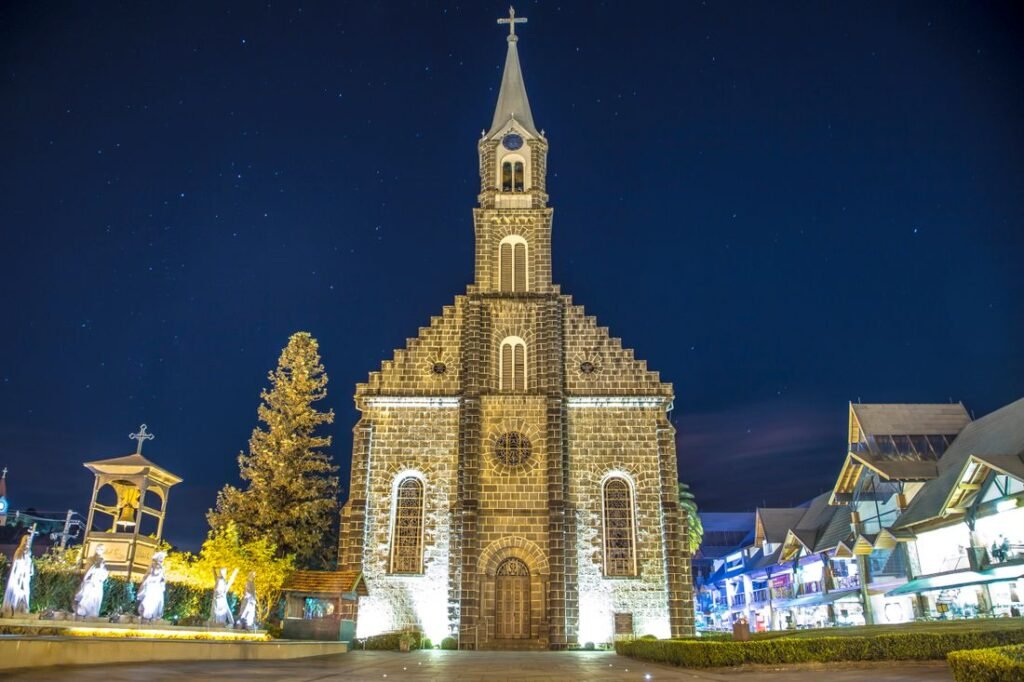
🇧🇷 POR | 🇫🇷 FR | 🇺🇸 EN | 🇪🇸 ES Have you ever stopped to think about what truly makes a city memorable? More often than not, it’s not the theme parks or the fancy restaurants—it’s that public space where you see life happening, where the city breathes, where tourists and locals meet. In Gramado, that place is Praça Major Nicoletti. Located in the heart of the city, Praça Major Nicoletti is much more than just a meeting point. It’s a mirror of Gramado’s soul: elegant, welcoming, full of greenery, and always with something going on. Whether you come to shop, eat, rest, or simply people-watch, this square offers an authentic experience of the city—far from the theme parks, but equally valuable. Praça Major Nicoletti illuminated at dusk, showcasing the European elegance that marks Gramado’s center. | Photo: Douglas Santos / Pexels The History of Praça Major Nicoletti Gramado has a history of planned growth. Unlike many Brazilian cities that grow chaotically, the Serra Gaúcha region was settled with care: wide streets, preserved green areas, harmonious architecture. Praça Major Nicoletti is living proof of this philosophy. The square’s name honors Major Nicoletti, an important figure in Gramado’s administrative history. Over the years, the square evolved from a simple green space into the city’s civic and cultural center, a stage for celebrations, gatherings, and community milestones. Today, it functions as a green lung and naturally connects the city’s main avenues. The square reflects the European influence that marks the entire Serra Gaúcha region—you’ll find iron benches, ornamental lamps, well-defined walking areas, and carefully maintained vegetation that changes its appearance with each season. What’s Around Praça Major Nicoletti One of the charms of Praça Major Nicoletti is its strategic location. You don’t need to go more than 200 meters to access almost everything the city offers in terms of shopping and dining. Shopping and Stores Around the square, you’ll find Gramado’s main stores. There are chocolate shops (a local tradition), wool and cold-weather clothing stores, craft shops, and bakeries. Most are located along Avenida Borges de Medeiros, which circles the square, or on Rua Torta, connected just nearby. If you came to buy souvenirs or gift someone with typical Gaúcho products, this is the most concentrated place to do it. These aren’t mega shopping mall stores—they are local establishments or small chains that preserve Gramado’s identity. You can walk into a shop, chat with the salesperson, and often the products have a story (handmade chocolate, knitwear from Santa Catarina, wines from the region). Bars, Cafés, and Restaurants Praça Major Nicoletti is surrounded by bars and cafés. You’ll see everything from small coffee kiosks to more established restaurants. The concentration is especially high on Avenida Borges de Medeiros. Many of these establishments have sidewalk tables, offering one of Gramado’s greatest pleasures: sitting down, having a coffee or a craft beer, and watching city life go by. The square also offers a small internal food scene—fast food kiosks, crepe vendors, and during festive seasons (especially Natal Luz), stalls pop up with hot drinks and seasonal treats. Landscape of a historic square at dusk, capturing the cozy atmosphere Gramado offers. | Photo: Toni Ferreira / Pexels Access to Rua Torta and Avenida Borges de Medeiros Praça Major Nicoletti is the anchor point between three important axes of Gramado: Avenida Borges de Medeiros (the main commercial avenue), Rua Torta (the photogenic postcard street), and the inner streets of the historic district. If you’re doing a walking tour of the city, the square is naturally where you’ll pass through and recognize as the “center.” Events at Praça Major Nicoletti Throughout the year, Praça Major Nicoletti hosts various celebrations and events. Natal Luz When October arrives and Praça Major Nicoletti lights up for Natal Luz (which runs from October to January), the square turns into a theater of magic. The Christmas decorations transform the space: decorated trees, colorful lights, themed scenes. Many of the central events of the Natal Luz program happen in this square or on the streets surrounding it—parades, performances, children’s activities. It’s a spectacle at night and a pleasant place to be during the day, even outside the Christmas season. Fairs and Markets For a good part of the year (especially outside the peak Christmas season), the square hosts small markets and fairs—for local products, crafts, and food. These fairs usually happen on weekends and attract both tourists and residents of Gramado and neighboring cities. It’s a great opportunity to buy “real” products directly from the producers, often at fairer prices. Civic and Community Celebrations The square also serves as a stage for community celebrations—special days, school performances, musical events. The sound and light infrastructure allows the city hall to organize activities that bring the local population together. Square with European architecture and a clock tower, representing the charm of the historic squares that inspire Gramado. | Photo: Quang Nguyen Vinh / Pexels Tips for Photos at Praça Major Nicoletti Praça Major Nicoletti is a paradise for photography lovers. The well-maintained vegetation, the European architecture of the surrounding buildings, the lights at night—everything conspires to create great photos. Best time for photos: Late afternoon, an hour or two before sunset. You’ll have warm light, the tree shadows create interesting patterns, and the movement of people adds dynamism without being too crowded. Interesting angles: Take photos of the square from low angles, placing the trees in the foreground—this creates depth. The fountain (if present) in the center of the square is a good focal point. The streets surrounding the square also offer beautiful perspectives of the surrounding structures. Special season: During Natal Luz, the square is a photographic spectacle. The colors of the lights at night, the contrast with the green vegetation—it’s practically impossible to take a bad photo. If you love night city photography, come during this time. Take your time: The best tip is not to rush. Sit on one of the benches, observe how the light changes, how pedestrians move. The best photos come when you stay
Craft Breweries in Gramado and Canela: Where to Drink
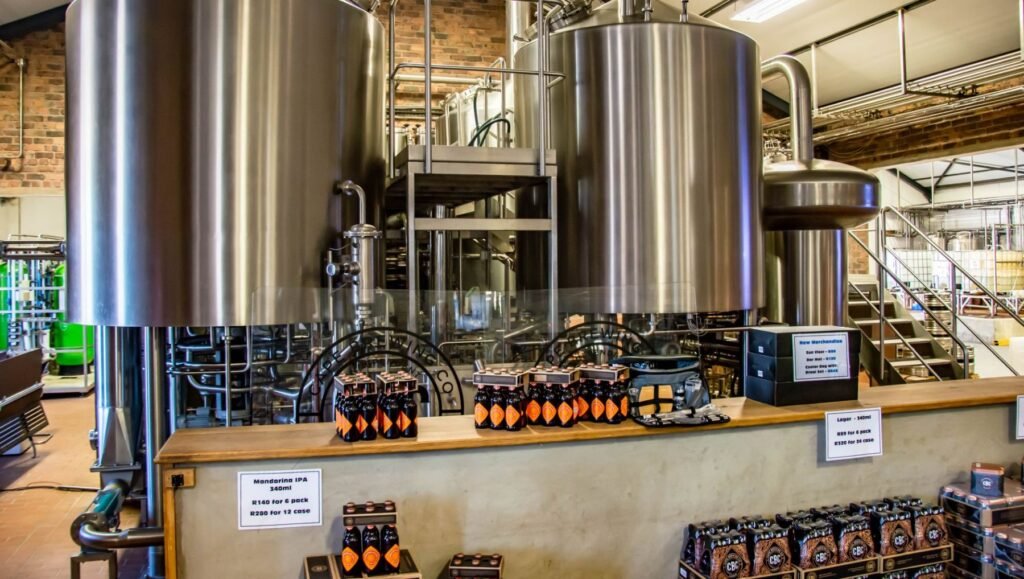
🇧🇷 POR | 🇫🇷 FR | 🇺🇸 EN | 🇪🇸 ES Gramado and Canela have everything a good night out calls for: chilly weather, mountain scenery, and a beer scene that has grown tremendously over the past decade. The German heritage that shaped the architecture of both towns has also left its mark on drinking culture — here you’ll find breweries with recipes based on the German Purity Law, pubs with 15 different taps, tasting tours in themed vans and buses, all just a short walk from the city centers. If you’re planning a trip to the Serra Gaúcha and want to go beyond fondue and chocolate, this guide covers the main breweries in Gramado and Canela, what to expect from each one, how the Beer Route works, and practical tips to make the most of your visit. A variety of craft labels: the Serra Gaúcha beer scene has grown rapidly. | Photo: Adriette Benade / Pexels The Beer Tradition in Serra Gaúcha German influence in the Serra Gaúcha goes far beyond half-timbered architecture and colonial coffee shops. The German immigrants who arrived in the region in the 19th century brought with them the tradition of craft beer and the know-how to produce it with quality. For decades, this knowledge remained limited to home consumption and community festivals, but starting in the 2000s, it began to take commercial shape, attracting both locals and tourists. Today, the region has breweries with in-house production, specialized pubs, and even a brewery built from basalt stone with an artesian well 180 meters deep. The scene isn’t as famous as the wineries of Vale dos Vinhedos, but for craft beer lovers, the Serra Gaúcha has plenty to offer — and unlike a winery visit, you don’t need a car to enjoy most options in the city centers. What sets the local beer scene apart is the combination of quality and accessibility. Well-structured pubs sit on Avenida Borges de Medeiros, Gramado’s main artery; more elaborate breweries are just a few kilometers away and easily included in organized tours. For those traveling without a car, the Beer Route packages handle the logistics hassle-free. Breweries in Gramado: Where to Go La Birra In the heart of Gramado, less than two blocks from Rua Coberta, La Birra is one of the most popular spots for anyone looking to enjoy a good beer in a relaxed setting. The soundtrack is rock — sometimes live — and the beer menu rotates: Irish Red Ale, Pilsen, Munich Helles, American IPA, Black IPA, and Australian Pale Ale are some of the styles that appear regularly. For food, there are snacks and dishes designed to pair with the drinks without fuss. It’s worth arriving early in the evening to snag a table. On weekends during Natal Luz, the place fills up fast, and the wait can be 30 to 40 minutes. Address: Rua Garibaldi, 109, Centro, Gramado White Fly The name might sound American, but the concept is entirely local. White Fly is located on Avenida Borges de Medeiros and offers 15 draft options, ranging from well-known brands to house brews. The details make the difference: a covered outdoor area to enjoy the cold without facing the wind directly, table games (jenga, dominoes), and live music programming with styles that vary by night. For food, artisan burgers, hot dogs, and snacks round things out nicely. It works well for both a late afternoon and a longer evening. It’s the most central option — step out of Rua Coberta, and you’re just a stone’s throw away. Address: Av. Borges de Medeiros, 3143, Vila Suíça, Gramado Felsen Brewery Felsen is the most complete brewery in the region. The main location is in the Carniel neighborhood, with a space that blends an indoor pub with an outdoor garden area — it works great in the Serra summer and on milder autumn nights. The beers are brewed on-site: IPA, Pilsen, Weiss, and Stout made with selected ingredients and traditional recipes. Pairing with the menu is the highlight: cheese boards, artisan burgers, and rustic potatoes are designed to match the house styles. Shows with regional artists liven up the nights from Thursday to Saturday. If you’d rather not leave the center, Felsen has two more accessible pubs — one on Avenida Borges de Medeiros in Gramado and another on Rua Borges de Medeiros in Canela. Felsen Brewery (main): Rua São Marcos, 555, Carniel, Gramado Felsen Pub Gramado: Av. Borges de Medeiros, 2433, loja 05, Centro Felsen Pub Canela: Rua Borges de Medeiros, 706, loja 4, Centro Tasting different styles: one of the best ways to get to know what local breweries produce. | Photo: Morena Vw / Pexels Breweries in Canela: The Best Options Boteco do Bill For anyone passing through Canela, Boteco do Bill is a frequent stop. The decor is laid-back, the atmosphere is cozy, and the beer menu mixes national and imported labels served ice-cold in a bucket on the table. Edelbrau, Abadessa, Heineken, Erdinger, and other brands appear on the menu alongside snacks and dishes for groups. The live music programming with varied styles (pagode, rock, MPB) is another draw. The place tends to liven up Canela’s nights with a different energy than most Gramado bars — more relaxed and without the formality of the more structured pubs. Address: Av. Don Luiz Guanella, 578, Vila Suíça, Canela Farol Brewery — The Pioneer of Serra Gaúcha Farol Brewery deserves a visit of its own. Built from basalt stone with a 32-meter lighthouse replica, it’s the first brewery in the Serra Gaúcha and likely the most visually iconic. On clear days, from the top of the lighthouse, you can see Gramado, Caxias do Sul, and São Francisco de Paula all at once — a view that alone justifies the stop. The commitment to quality here is serious: all beers follow the Reinheitsgebot, the German Purity Law of 1516, which allows only water, barley malt, and hops in the composition. The water comes from an artesian well 180 meters deep, and the process
Restaurants with a View in Gramado: Where to Dine with a Scenic Backdrop
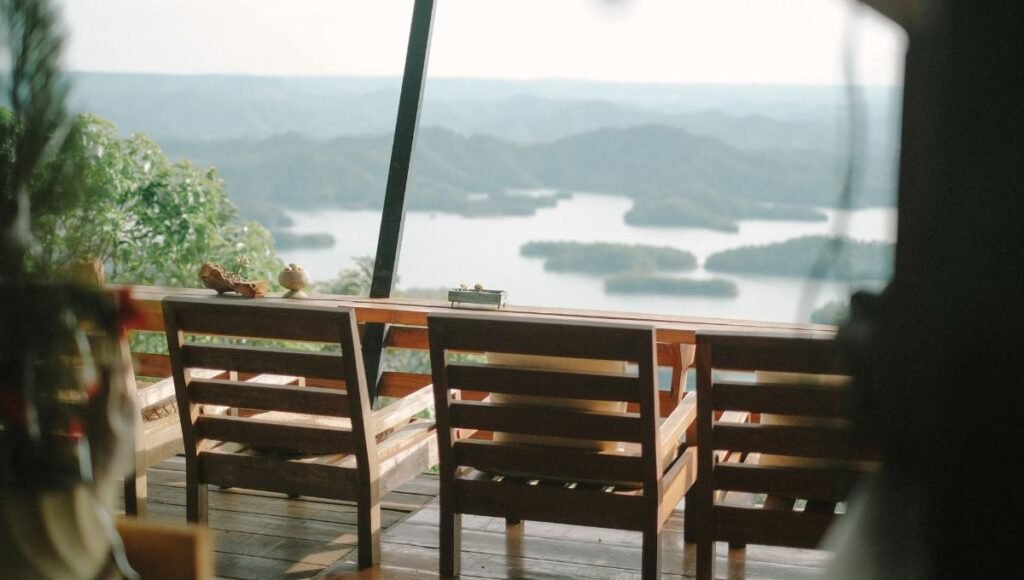
🇧🇷 POR | 🇫🇷 FR | 🇺🇸 EN | 🇪🇸 ES Choosing a restaurant in Gramado is already a tough task—the city has too many great options for just a few meals. But there’s one criterion that really narrows down the list: the view. When you add a window overlooking centuries-old pine trees, mountain mist, or the Serra Gaúcha valley in the background, the meal takes on a whole new dimension. The dish stays the same, but the experience of eating while gazing at a landscape that changes with the daylight makes a real difference. This guide focuses specifically on restaurants in Gramado where the view is an integral part of the experience—not just a decorative architectural detail, but one of the main reasons to choose that table. These are different from the traditional “romantic restaurants” (which prioritize fireplaces, dim lighting, and intimacy): here, the highlight is what you see through the window or from the terrace. Dinner with a view: the combination of great food and an open landscape is one of Gramado’s main draws. | Photo: Pew Nguyen / Pexels Why Gramado Has So Many Restaurants with a View The topography of the Serra Gaúcha does most of the heavy lifting. Gramado sits at about 825 meters (2,700 feet) above sea level, and the terrain naturally creates elevated spots with wide views over valleys blanketed in forest and araucaria trees. Restaurants that manage to position themselves on these high points—or that have expansive gardens, terraces, and windows facing the greenery—deliver a visual experience that’s hard to replicate in flat cities. Another factor is cultural: the typical European architecture of Gramado, with its chalets, inns, and restaurants built during the 1980s and 1990s mountain tourism boom, often prioritized making the most of the natural landscape. Large windows, balconies with flower boxes, semi-open spaces with gardens—all of this created a tradition of dining “with a view” that has become part of the city’s gastronomic identity. The result today is a variety of formats: from a revolving restaurant atop a hill to a colonial-style lunch in the middle of dense forest, and from downtown terraces overlooking a neighboring hotel’s garden. Each one delivers a different kind of visual experience. RF Vision — Gramado’s Revolving Restaurant RF Vision is arguably the most unique restaurant in Gramado. It operates in a circular structure that slowly rotates on itself—over the course of your meal, the floor-to-ceiling windows offer a 360° panorama of the city and the surrounding mountains. You don’t have to get up: the view changes on its own as you eat. The rotation is slow enough not to cause dizziness and fast enough that, over a meal lasting about an hour and a half, you’ll see every angle of the landscape. On clear days, you can spot araucaria pines, part of downtown Gramado, and, on the horizon, the mist-covered hills of the Serra. On dense foggy days, the view disappears—but the indoor atmosphere of the restaurant makes up for it. The menu includes breakfast, lunch, and dinner options, but the most sought-after experience is the fondue sequence paired with the rotating setting: Gramado’s cold weather, bubbling fondue, and the shifting mountain landscape create a combination that most visitors find hard to beat. Confirm hours and availability directly with the restaurant, as business varies greatly by season and weekends tend to fill up. Advance reservations are recommended, especially in July and during Natal Luz. Address: Rua Wilma Dinnebier, 180, Gramado The experience of dining with a mountain view is part of Gramado’s culinary appeal. | Photo: Alejandro Terranova / Pexels Casa Figueira — A Mountain-Edge Retreat with a View Casa Figueira is located about 4 miles (7 km) from downtown Gramado, on Estrada Serra Grande, in a less urbanized area where the forest begins to take over. The restaurant occupies a chalet-style structure with a garden and operates with a more home-style cooking approach—without the formality of a boutique hotel restaurant, but with care in ingredient selection. The view from Casa Figueira is of the open mountain landscape—without the frenzy of downtown Gramado, without the noise of buses and tourist groups. It’s the kind of place for those who want to eat well while feeling “inside” the Serra Gaúcha, not just visiting it. For those with a car, it’s a great option for longer lunches on winter days, when the afternoon light bathes the pine trees in gold before dusk. Confirm opening days and hours before you go—restaurants in locations farther from the center often have more restricted hours than those on Gramado’s main strip. Address: Estrada Serra Grande, 3945, Várzea Grande, Gramado Downtown Restaurants with Terraces and Garden Views Not every “view” in Gramado needs to be a 360° panorama or a valley in the distance. In the city center, several restaurants have well-maintained balconies, terraces, and gardens that offer a carefully curated visual experience—hydrangea flowers (the city’s symbol), illuminated half-timbered facades at night, gardens with conifers and cypress trees that evoke the European climate of the Serra Gaúcha. This category includes restaurants like Maggiore Lounge, which combines a contemporary menu with a sophisticated atmosphere and windows facing the surrounding landscape. These are establishments where the view is more of an element of the overall design than a standalone attraction—but together, they build an atmosphere you’d be hard-pressed to find in other Brazilian cities. For those staying in downtown Gramado, it’s worth dedicating at least one meal to a restaurant with a terrace or garden—even a small one. The combination of the cold weather, low lights, and surrounding greenery creates an ambiance that locals simply call “that Gramado feeling.” Tables with gardens: many Gramado restaurants integrate green spaces into the dining environment. | Photo: Thang Nguyen / Pexels View at Parque Tomasini: Colonial-Style Lunch with a Landscape Restaurante Carazal, inside Parque Tomasini, is one of the most distinctive options in the region for those wanting to combine gastronomy with a natural landscape. The park is located in a mountainous area with preserved forest, and the restaurant takes
The Maria Fumaça Steam Train in Serra Gaúcha: How the Ride Works
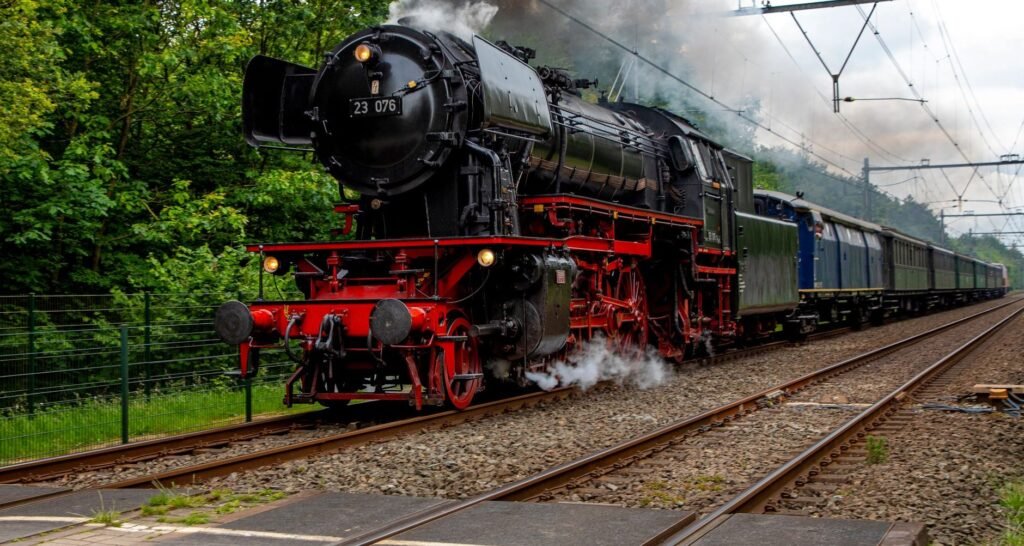
🇧🇷 POR | 🇫🇷 FR | 🇺🇸 EN | 🇪🇸 ES Of all the experiences Serra Gaúcha has to offer, the Maria Fumaça steam train ride is one of the most memorable for visitors. Not so much for the scenery itself—which is pretty, but not breathtaking—but for the party atmosphere that happens inside: live music, dancing, theater, and wine and sparkling wine tastings, all rolling through the cars as the train covers 23 kilometers between Bento Gonçalves and Carlos Barbosa, passing through Garibaldi. If you’re planning a trip to Gramado and Canela and want to add a unique day trip to your itinerary, this ride deserves a spot. Bento Gonçalves is about 120 km from Gramado—roughly a two-hour drive on the RS-115—and the day is well spent if you combine the train with a visit to the Vale dos Vinhedos or a local winery. Here’s everything you need to know before buying your ticket. The historic steam locomotive is the star of the show in Serra Gaúcha. | Photo: Frank van Dijk / Pexels What Is the Maria Fumaça The Maria Fumaça is a historic steam locomotive that now operates as a tourist attraction in the mountainous region of Rio Grande do Sul. The locomotive itself is authentic—steam-powered, with the noise, smoke, and classic look of early 20th-century trains. The cars have been renovated for tourist comfort but keep the vintage aesthetic. The ride is operated exclusively by Giordani Turismo and is part of a set of cultural experiences celebrating the Italian immigrant heritage of Serra Gaúcha. It’s no coincidence that the route cuts through three cities marked by this history: Bento Gonçalves, recognized as the national wine capital; Garibaldi, a benchmark for Brazilian sparkling wines; and Carlos Barbosa, home to artisanal cheeses and the famous Tramontina factory. The ride is festive by nature. Each car features performers throughout the entire trip—Italian folk dance groups, gaúcho musicians, and interactive theater sketches. At the same time, samples of wine, moscatel sparkling wine, and grape juice are served during the stops. It’s a mix of culture and fun that works great for couples, groups of friends, and families with kids over five. The Route: Bento Gonçalves, Garibaldi, and Carlos Barbosa The route is 23 kilometers long and takes about 1 hour and 30 minutes by train. Departures can be from Bento Gonçalves toward Carlos Barbosa, or the reverse—depending on the time you choose. On the Bento → Carlos Barbosa route, the locomotive leaves Bento station, makes a 15-minute stop in Garibaldi, and arrives at the final destination, where buses take passengers back to Bento. On the reverse route, the bus takes you to Carlos Barbosa and the train heads back to Bento. In Garibaldi—the intermediate stop—everyone gets off to breathe, photograph the train, and have another round of sparkling wine. This is where you’ll find the famous car 215, the only one that still preserves the original wooden benches from the era. It’s worth stepping inside for a closer look. There are also street vendors selling grostoli, those fried dough pastries dusted with sugar and cinnamon that are a specialty of Italian-Gaúcho cuisine. The landscape along the route mixes stretches of dense forest, urban areas, and some more rural patches with vineyards in the distance. It’s not a spectacular, jaw-dropping view—especially if the hydrangeas aren’t in bloom (they appear between October and February, peaking in November and December). But the scenery is pleasant, and the vibe inside the cars more than makes up for any purely scenic expectations. The vineyards of Serra Gaúcha form the backdrop of the Maria Fumaça route. | Photo: Francesco Ungaro / Pexels What Happens Inside the Cars The first thing you’ll notice when boarding is the little plastic cup each passenger receives—and it’s going to get a lot of use during the trip. In the cars, performers take turns with acts that can include the tarantella (Italian folk dance), gaúcho music, improvised theater with the audience, and other attractions that vary by day and time. The host in each car announces the acts over the microphone, points out landmarks along the route, and shares bits of the region’s history. The seats are for two people, and above each one, there’s a holder for your plastic cup—so you don’t have to hold it while you applaud the performers. It’s hard to get bored. The 1.5-hour trip flies by. A tip that makes a difference: if you like photographing the whole train, go to the last car. From there, you can frame the entire locomotive ahead of you, with smoke billowing from the chimney—the most classic shot of the ride. If you prefer more peace and less commotion, you might find the middle cars a bit calmer. Onboard, snacks and drinks are also available for purchase from a cart that passes through the cars during the trip. If you’re a more sophisticated wine lover, know this upfront: the labels served during the ride are simple. The Maria Fumaça’s purpose is fun and cultural celebration, not refined tasting. For that, a visit to a winery in Vale dos Vinhedos makes much more sense. Important note: The Maria Fumaça ride fits well into a broader Serra Gaúcha itinerary. For those organizing their trip from Gramado, check out our complete guide to attractions in Gramado and Canela—it helps you spread out the sights over your days and strategically fit in this day trip. The Epopeia Italiana: The Show That Closes the Ride After the train arrives at its destination and the bus takes everyone back to Bento Gonçalves, most packages include entry to the Epopeia Italiana Theme Park, located right next to the station. It’s a 40-minute scenic show that reconstructs the story of Italian immigration to Rio Grande do Sul in the late 19th century. Visitors walk through different sets that simulate a ship’s hold, stretches of dense forest, and small colonial towns—following the narrative of a young immigrant couple who left Italy in search of a better life in Brazil. There’s fake snow, sound effects,
Dreamland Wax Museum Gramado: Is It Worth It?
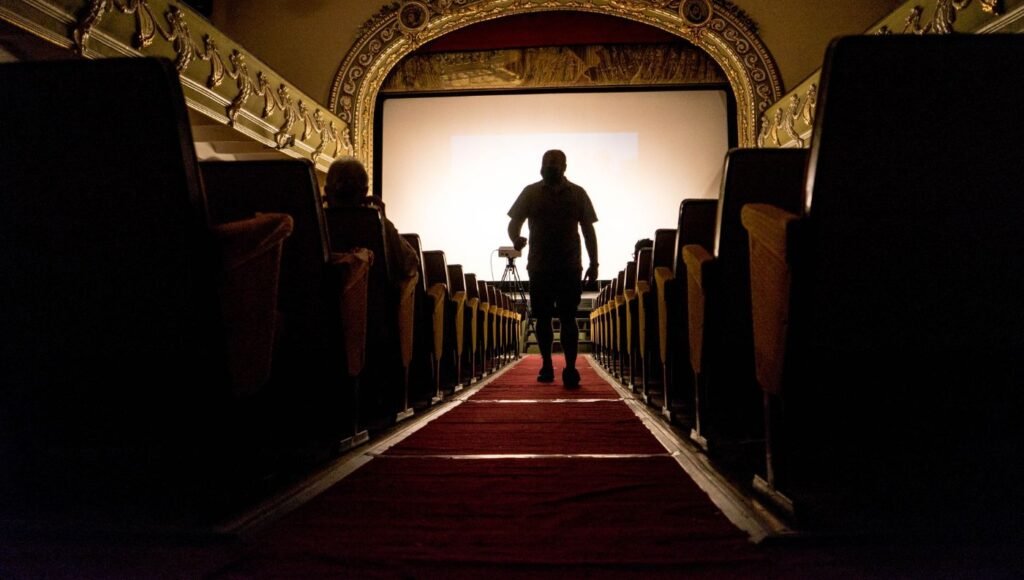
🇧🇷 POR | 🇫🇷 FR | 🇺🇸 EN | 🇪🇸 ES It’s raining in Gramado, and your plans to stroll down Rua Coberta are a washout. That’s when the Dreamland Wax Museum becomes a solid option: it’s indoors, air-conditioned, has bathrooms nearby, and over a hundred characters standing still, waiting for a photo. But does the ticket price match what you actually see inside? This post separates what the museum really offers from what’s just tourist brochure hype. Movie theater ambiance with a red carpet — a nod to the Hollywood vibe Dreamland recreates in its sets. | Photo: Joanjo Puertos / Pexels What is the Dreamland Wax Museum Dreamland was the first wax museum in Brazil and Latin America, and it’s located on Avenida das Hortênsias, the road connecting Gramado to Canela. The concept is simple: life-sized wax replicas of actors, singers, athletes, and cartoon characters, set up in scenes that mimic their natural habitats — a film set, a stage, a trophy room. The museum is part of the Dreams Group, which also runs other attractions in the same area, like Super Carros and Vale dos Dinossauros. That’s why there’s a combo passport sold alongside other parks in the group — we’ll get to that later. The built area spans over twenty thousand square meters, divided into about twenty themed scenes. It’s not a small museum: you can spend a good chunk of time there without repeating an environment. Why Gramado has a wax museum Wax museums have been around for centuries in Europe. The technique dates back to workshops that reproduced public figures for exhibition, back when there was no photography or film to capture famous faces. Madame Tussauds in London popularized this format in the 19th century and inspired replicas in many countries. Gramado adopted this model for a practical reason: the city thrives on experiential tourism, with theme parks, European cuisine, and winter scenery. A wax museum completes this package without depending on the weather. It works on sunny days and rainy days, which is a big deal in a mountain town where the forecast can change from morning to afternoon. Dreamland arrived in the region during the boom of Gramado’s theme parks, and today it competes for attention with dozens of other indoor attractions scattered along Avenida das Hortênsias and the city center. What you’ll find inside The main idea is the photo. Each statue is positioned so visitors can get close, pose next to it, and snap a selfie without ropes or glass separating them — unlike traditional museums where the piece is protected and distant. The scenes mix very different categories: music, movies, sports, politics, and cartoons all appear side by side. If you grew up watching a certain Hollywood actor, you’ll find them standing still on a reconstructed set; if you prefer cartoons, you’ll end up chatting with childhood characters in another corner of the route. The Hollywood imagery, with its stars on the sidewalk, is part of the vibe that sets like Dreamland’s try to recreate. | Photo: Ekaterina Belinskaya / Pexels One detail that catches many people off guard: because the statues look incredibly lifelike, it’s easy to walk right past a scene without recognizing anyone — especially if the character isn’t well-known in Brazil. Take your time and read the identification plaques instead of just snapping photos and moving on. How much does the ticket cost in 2026 An individual Dreamland ticket usually starts around R$90 at the box office, with slightly lower prices for those who buy in advance online — some local tourism platforms even sell below R$80 per person during promotions. Since prices vary quite a bit depending on the date, season, and sales channel, the safest bet is to check the current price directly on the park’s official website before finalizing your trip. There’s also the Dreams Passport, a combo ticket that gives you access to the Wax Museum along with other attractions from the same group — Super Carros, Hollywood Dream Cars, Motor Show, Selfie Gramado, Jardim do Amor, and Vale dos Dinossauros. This passport goes for a fixed price, currently around R$290, and it’s worth it if you actually plan to visit several of these attractions on the same day. If your plan is just the wax museum, buying the individual ticket is cheaper. Children up to a certain age usually get free entry or a discount, but the age range and exact rules change from time to time — confirm at the time of purchase, preferably by checking the price table published on the official website instead of relying solely on what third parties post on blogs or social media. Fun facts about the museum As the first of its kind in Latin America, Dreamland regularly updates part of its collection, swapping out characters that have gone out of style for more current ones. This means that someone who visited a few years ago might find very different scenes on a second visit. Another little-known point: since the statues are custom-made, there are scenes dedicated specifically to Brazilian celebrities, alongside international names. This mix of national and international figures is a differentiator compared to wax museums in other countries, which usually prioritize only local figures or just big Hollywood names. Opening hours and how to get there Dreamland is usually open from 8 am to 6:30 pm, with extended hours until 7 pm on Fridays, Saturdays, holidays, and during peak seasons like July and the Christmas Light festival. Since these hours can change on specific dates, confirm on the official website before leaving your hotel — especially if your visit is planned for the end of the day. The address is on Avenida das Hortênsias, near the stretch that connects Gramado to Canela, making it easy to combine the visit with other attractions on the same avenue in one outing. If you’re driving, there’s parking on site; if you don’t have a car, you can get there by taxi, ride-share, or the tourist buses that run
Snowland or Mundo a Vapor: Which One to Choose with Kids?

🇧🇷 POR | 🇫🇷 FR | 🇺🇸 EN | 🇪🇸 ES Anyone arriving in Gramado with kids and a tight schedule almost always faces the same dilemma: is it better to reserve the morning for Snowland or Mundo a Vapor? Both show up on the city’s “must-see” lists, cost about the same, and cater to families with very different profiles. This post compares the two directly, no fluff, so you can decide based on what really matters: your kids’ ages, your budget, and how much time you have left in your itinerary. Comparing each park’s profile helps you decide before buying tickets. | Photo: Yan Krukau / Pexels Snowland: Real Snow Inside a Warehouse Snowland recreates a ski resort in a closed, refrigerated environment with artificially produced snow. The indoor temperature is cold enough to keep the snow from melting, and the park lends or rents out appropriate cold-weather gear—it’s worth checking what’s already included in the ticket price at the time of purchase. The main attractions are Mega Tubing (sliding down on inflatable tubes), ski and snowboard slopes for those wanting to practice before a real snow trip, ice skating, and a reserved snow area for small children. It’s this kids’ playground that makes the park work well even for families with babies. The Mega Tubing usually has the longest line in the park. | Photo: Igor Photography / Pexels Ticket prices vary by season and how far in advance you buy—during the low season, promotions have popped up around R$ 145, but in July the price jumps significantly. The park is open daily, generally from 10 AM to 5 PM, with access to attractions until about 4:30 PM; during the low season, it’s usually closed on Wednesdays. Set aside 3 to 4 hours to enjoy it at a relaxed pace, longer if you plan on doing the tubing a few times. Mundo a Vapor: The Age of Machines in the Middle of the Forest Mundo a Vapor, in Canela, follows a different logic. It reopened in April 2026 after two years of renovations, keeping the railway concept that made the park a regional reference—in December 2026, it will celebrate 35 years of history. The renovation swapped the more contemplative experience of before for something more immersive: themed rooms with storytelling in Portuguese and English recount the history of engineers and inventions that marked the industrial era. Instead of just watching trains and miniatures, kids now hear why that specific train was revolutionary. For parents traveling with school-age children who want to mix fun with a bit of historical context, this change works in the park’s favor. The train ride through the woods is one of the highlights of the visit. | Photo: William Bradshaw / Pexels Prices were still being adjusted for the 2026 season at the time of reopening, but historically the park has charged between R$ 80 and R$ 150 for adults, with discounts for children, seniors, and groups. It’s best to check the official website before finalizing your itinerary. It generally operates from 9 AM to 5 PM, closed on Wednesdays outside of peak season. Set aside 3 to 4 hours, or more if you want to take the full guided tour. Snowland or Mundo a Vapor: Direct Comparison Kids’ Ages For babies and children up to 4 years old, Snowland tends to win out because of the isolated snow playground away from the more intense attractions—little ones can play without competing for space with adults speeding down on tubes. For kids aged 6 to 12 who are curious about how things work, Mundo a Vapor offers more substance: real trains, gears, and history told in a way that captivates this age group. Budget Prices are similar when compared side-by-side, but Snowland is usually a bit more expensive during peak season due to demand. Larger families save more at Mundo a Vapor, which traditionally offers group discounts. Weather and Clothing At Snowland, you actually step into a freezing environment—you need to wear cold-weather clothing (usually provided or rented on-site). At Mundo a Vapor, the temperature is normal, so no special preparation is needed beyond comfortable shoes for walking through the woods. Visit Duration Both require 3 to 4 hours to enjoy without rushing. This means it’s hard to fit both into the same part of the day—unless you hit Snowland right when it opens in the morning and head to Mundo a Vapor in the afternoon, considering they are in neighboring towns (Gramado and Canela) a relatively short drive apart. Important note: if Snowland came out ahead in your choice, it’s worth reading our full guide before buying tickets: Snowland Gramado: Is It Worth It? Complete Guide—you’ll find details on included clothing, tips for avoiding lines at Mega Tubing, and how to save on ticket purchases. Can You Do Both on the Same Trip? Yes, you can, but rarely on the same day without tiring the family. Most 4 to 5-day itineraries in Gramado and Canela can fit one park per day without compromising the rest of the trip—colonial coffee, Lago Negro, Rua Coberta. If your trip is shorter, 2 to 3 days, choosing just one frees up time for outdoor attractions that depend less on lines and scheduled times. Families traveling with kids of very different ages—a baby and a pre-teen, for example—tend to be more satisfied doing both on separate days, since each park caters better to a specific age group. How to Get to Each Park Snowland is in Gramado, in a relatively central area, which makes it easy for those staying in the city who don’t want to drive far after a full day. Taxis and ride-sharing apps get there without issue, and many hotels organize group shuttles. Mundo a Vapor is in Canela, on the highway connecting the two cities. For those staying in Gramado, the drive usually takes between 15 and 25 minutes, depending on traffic during peak season. Those without a car can opt for the intercity bus between Gramado and Canela, with