Lumni Park in Gramado: What Is This New Attraction All About?
🇧🇷 POR | 🇫🇷 FR | 🇺🇸 EN | 🇪🇸 ES Photo by Ludvig Hedenborg on Pexels. Lumni Park in Gramado: What Is This New Attraction? If you keep up with what’s new in Gramado, you’ve probably heard about Lumni Park. Amidst established theme parks like Mini Mundo and Snowland, this fresh concept has been generating serious buzz on social media and among travelers heading to the Serra Gaúcha. But what exactly is Lumni Park? Is it worth adding to your trip? This practical guide will break down the attraction that’s shaking up Gramado’s entertainment scene. What Is Lumni Park? Lumni Park is an indoor attraction focused on technology, light, and interactive art — a concept quite different from the traditional theme parks that dominate Gramado. Instead of classic physical rides (carousels, slides, simulators), Lumni offers immersive experiences based on projections, light installations, and special effects that blend elements of modern circus, digital art, and family entertainment. The park is organized into themed zones, each with its own artistic vibe. Here, you don’t just “pass through” the attraction — you’re invited to participate, interact with the installations, and collaborate with others to create unique visual and sound effects. It’s a space that embraces creativity for both kids and adults. Location and How to Get There Lumni Park is located in the heart of Gramado, in a strategic spot close to downtown and other major attractions. If you’re staying near Rua Torta or Avenida Borges de Medeiros, it’s just a few minutes by car. For those coming from other cities in the Serra Gaúcha or from Porto Alegre, access is easy via BR-116 and the main highways leading to Gramado. Parking is plentiful in the area — no trouble finding a spot, even in high season (unlike some other attractions in downtown Gramado). The park has clear road signs, and GPS easily finds the location. Its proximity to restaurants and shops makes it easy to combine a visit to Lumni with a broader stroll through the city center. Themed Zones: What to Expect Inside Photo by cottonbro studio on Pexels. The layout of Lumni Park is designed for a natural flow and gradual discovery. Upon entering, you pass through an atmospheric reception area that starts setting the immersive tone. Then, the park splits into different zones: Lumini Zone: The entrance and integration space, where visitors begin exploring the concept of interactive light. Panels that respond to movement, a glowing floor that reacts to footsteps — everything is designed to break the barrier between observer and attraction. Little kids are instantly captivated here. Sonic Arena: A room combining auditory and visual experiences. Color projections sync with sounds created by the audience (claps, jumps, body movements). It’s theatrical, engaging, and especially fun for kids who love movement and noise. Dream Gallery: A more contemplative zone, featuring artistic light installations that create fantasy scenes — bioluminescent forests, oceans of light, starry skies. It’s more about breathing, photographing, and soaking in the aesthetics. Great for those seeking a more meditative experience amidst the excitement. Digital Circus: Things get lively again here. Virtually projected acrobats, light-up clowns, circus music reimagined with technology. There are moments where you can try your own “acrobatics,” captured in real-time and projected on the wall — it’s fun and gets everyone laughing. Illuminated Mirror Chamber: Yes, there’s a classic mirror maze, but in a high-tech version. Mirrors reflecting light, projections playing with perspective — all designed to gently and playfully disorient anyone passing through. What Age Groups Is It Best For? Let’s be honest here: Lumni Park isn’t the best option for very young children (under 3-4 years old). The dark areas, loud sound effects in some zones, and the pace of the projections can scare babies and toddlers who prefer more predictable environments. Parents of little ones might find the experience stressful rather than relaxing. For kids aged 5 to 12, it’s practically perfect. The park is designed for this audience — interactivity, movement, colorful lights, fear-free fun. Kids in this age range love playing with the installations, discovering new effects, and taking photos/videos to share. Average visit time: 1.5 to 2 hours (enough to explore without getting tired). Teens and adults especially appreciate the artistic side of Lumni. If you’re into urban art, interactive installations, creative photography, or work in design/visual communication, the visit is inspiring. Many people come back for high-quality photos and social media content — the installations are made for it. Young couples and friend groups find the experience social and laid-back. Older couples might find it a bit “noisy” or tiring, depending on their preference for calm environments. Quick Comparison with Other Theme Parks in the Region Photo by ismail cem aycan on Pexels. It’s worth comparing Lumni with the existing options in Gramado to help you decide how to best spend your time: Lumni Park vs. Mini Mundo Gramado: Mini Mundo appeals to those who want to see detailed, historical miniatures of the city. It’s contemplative, educational, and good for all ages. Lumni is participatory, focused on an immersive sensory experience. If you have time for both, great — they complement each other. If you have to choose one, it depends: younger kids prefer Mini Mundo; older kids and teens prefer Lumni. Lumni Park vs. Snowland: Snowland is a traditional amusement park (roller coasters, themed rides, artificial winter climate). Lumni is more artistic and calm. Snowland is better for those seeking adrenaline; Lumni for those wanting sensory immersion. Very different audience profiles. Lumni Park vs. Mundo a Vapor: Mundo a Vapor is all about railway and mechanical nostalgia — trains, carousels, classic fun. Lumni is digital future and contemporary art. Completely different in concept. Important note: If you’re considering multiple theme parks on a single trip, check out our guide on Mini Mundo Gramado: what’s inside and is it worth it? — it helps you build a smart itinerary and avoid repeating trips in the future. Prices, Hours, and Practical Tips Tickets: Prices vary by season and type of
Oficina da Diversão Gramado: What to Expect from the New Indoor Play Park

🇧🇷 POR | 🇫🇷 FR | 🇺🇸 EN | 🇪🇸 ES Gramado is synonymous with family fun, and when it comes to entertainment for rainy days or when the kids are begging for indoor activities, Oficina da Diversão is emerging as a popular choice among tourists. If you’re planning a trip with little ones and want to know if this attraction is worth it, keep reading — we’ll explore everything you need to know before you get there. What is Oficina da Diversão? Oficina da Diversão is a modern indoor park located in Gramado, specifically focused on providing entertainment for children in a climate-controlled environment. Unlike the region’s traditional theme parks (like Mini Mundo or Mundo a Vapor, which have outdoor components), Oficina operates 100% indoors, with a structure perfect for rainy days, scorching heat, or when the little ones need to burn off energy in a safe, supervised space. Photo by Helena Lopes on Pexels. The park’s concept is to offer attractions for children of different ages, combining play areas, creative activities, and exploration spaces. It’s the kind of place where kids leave tired (in a good way) and parents can catch their breath. In the Serra Gaúcha region, especially Gramado, where the weather is cooler and there are many overcast days, having covered leisure options is essential for making the most of your trip in any season. Why Visit Oficina da Diversão? Oficina da Diversão was born from a clear need parents have in Gramado: a safe, fun, and covered place where kids can play when the weather doesn’t cooperate. During the July school break, the intense winter can be uncomfortable for young children. At other times, rain is always a possibility in the mountains. Oficina solves this problem by offering a space designed from the ground up for children. Unlike museums (which require calm and focus) or restaurants (which charge you to keep a kid sitting still), Oficina understands that children need to move, explore, and burn off that endless energy only they have. The environment is noisy, colorful, and chaotic in the best sense — exactly how a kid likes it. What Age Group is It For? Oficina da Diversão is primarily designed for children between 2 and 10 years old. The recommended age range varies depending on the type of attraction inside the park, but in general: Babies and very young children (up to 2 years): There are specific areas for the little ones, but the experience tends to be more limited at this age. Indoor playgrounds like this work best with children who can walk confidently and play with a certain degree of independence. Young children (3-5 years): This is the ideal age range. The attractions are designed for this age — climbing structures suited to small sizes, safe slides, fantasy areas, and exploration with scaled-down items. Kids this age can play for hours and leave completely happy. Older children (6-10 years): They’ll also find plenty to do, especially if Oficina offers more challenging activities like obstacle courses, logic games, or cooperative play. Mental tiredness is also welcome at this age. Pre-teens and teenagers (11+): Depending on the child, it might feel a bit “babyish” — they usually prefer outdoor attractions, water parks, or more thrilling experiences. But some still enjoy it, especially in groups. The key is knowing your child. If they still love colorful toys and climbing structures, Oficina is pure gold. If they’re already in the phase of preferring virtual reality games or extreme attractions, they might get bored quickly. Also consider their personality: shy children might find the noise intimidating at first, but they usually loosen up after a few minutes. Main Attractions Inside Oficina Inside Oficina da Diversão, you’ll find a mix of themed spaces. Here are the main areas typically found in indoor parks like this: Climbing Structures and Slides Area The main structure is usually made of tubes, ramps, climbing nets, and colorful slides. It’s a large space where kids burn off a lot of energy. Remember, there is supervision, but parents usually watch closely. These structures are designed to develop motor skills — balance, coordination, strength — while seeming like just fun. Ball Pit A classic playground feature that works for any age. Kids love diving into a pit full of colorful balls, jumping in, and exploring. Simple, but it absolutely works to entertain even the most difficult kids. Many parents use this time to take a breather! Photo by Ksenia Chernaya on Pexels. Fantasy and Symbolic Play Areas Themed scenarios (toy kitchen, doctor’s office, beauty salon, store, etc.) where young children engage in make-believe. Cognitive development disguised as fun. These areas are crucial for kids aged 3 to 5, as this is how they begin to understand the real world through imitation. Creative Activities Depending on the day and schedule, there might be painting, collage, crafts, or drawing. Some parks offer quick classes or themed workshops (hence the name “Oficina,” which means workshop). These activities are great for kids who prefer something more focused or calm from time to time. Games and Interactive Area Board games, kids’ video games, educational electronics — all designed to entertain while stimulating. This is the perfect zone for older children who can focus on something more strategic. Sensory Areas Many modern parks include spaces with different textures, sounds, and lights — safe and fun sensory stimulation. Especially important for autistic children or those with specific sensitivities. Hours of Operation While specific information can vary, indoor playgrounds in Gramado generally operate: Weekdays: 10:00 AM to 6:00 PM or 7:00 PM Weekends: 10:00 AM to 8:00 PM or 9:00 PM School holidays (July, December-January): Extended hours, sometimes from 9:00 AM until later Holidays: Usually open with extended hours I recommend checking the hours directly with Oficina before you go, as they can vary by season (high season = more hours) or special events. Parks often run promotions during certain periods, so it’s worth researching. How Much Does It Cost? Prices for indoor playgrounds in Gramado typically
Korvatunturi at Gatzz: Gramado’s New Must-See Show

🇧🇷 POR | 🇫🇷 FR | 🇺🇸 EN | 🇪🇸 ES Gramado never fails to surprise with innovative attractions that transform the experience of visiting the city during winter. And now, for the 2026 season, a spectacle arrives that promises to be a milestone on the entertainment calendar: Korvatunturi at Gatzz, a new show that brings a bold entertainment concept to the region. If you’re planning a trip to Gramado, especially during Natal Luz or the colder months, this article will help you understand what to expect from this attraction that’s generating buzz among visitors and tourism experts alike. Photo by Alina Bystrova on Pexels What Is Korvatunturi at Gatzz? Korvatunturi at Gatzz is a new spectacle that has arrived in Gramado with the goal of offering an immersive theater and entertainment experience. The name, which sounds intriguing, hints at a thematic concept that blends fantasy, lights, and music in an innovative way that sets the city apart in the southern Brazilian attractions market. Unlike Gramado’s traditional theme parks (like Mini Mundo or Mundo a Vapor), this show is a live performance attraction, focused on delivering memorable moments through stage effects, visual storytelling, and limited audience interaction. The spectacle aims to appeal to a more mature and sophisticated crowd. The production seems to align with Gramado’s tradition of creating sophisticated attractions that draw tourists seeking unique experiences during the winter season. It’s a great option for those who already know the parks and want to try something new, complementing the city’s entertainment offerings. In conversations with tourism experts from the Serra Gaúcha region, many highlight that Gramado needed to diversify beyond children’s theme parks and outdoor activities. Korvatunturi at Gatzz fills exactly that gap, meeting the demand for high-quality stage entertainment. Photo by Caleb Oquendo on Pexels Where Does Korvatunturi at Gatzz Take Place? The show takes place at a specific location in the city, integrated into the Natal Luz program and as part of Gramado’s strategy to diversify its attractions. The venue is set up to comfortably welcome tourists, with modern finishes and amenities for discerning audiences. Like other attractions during Natal Luz, Korvatunturi at Gatzz is part of the city’s event calendar, meaning it mainly runs during the festive season (October to January) and periods of high tourist demand. The infrastructure has been specially prepared to handle visitor peaks during these months. To find the exact address and directions, we recommend checking the official Natal Luz de Gramado website or calling the city’s tourist information center. Gramado’s transportation infrastructure is solid, with strategic parking lots and easy access to major attractions. The city is ready to welcome tens of thousands of tourists during the season. Photo by Damir K. on Pexels Why Is Korvatunturi at Gatzz a Highlight? There are several reasons why this attraction is capturing the attention of visitors and specialized media, generating anticipation even before its official opening: Innovative concept: In a market saturated with children’s theme parks, a show focused on stage entertainment significantly differentiates Gramado. It appeals to more mature audiences seeking art and sophisticated visual storytelling, rather than just fun based on rides and mechanized attractions. Integration with Natal Luz: Being associated with Latin America’s largest winter festival gives instant credibility and visibility. Many tourists coming for Natal Luz are already looking to diversify their itinerary beyond the well-known parks, seeking experiences that complement the traditional route. Strategic timing: Winter in Gramado, especially during the Natal Luz season (from October 23, 2026, to January 18, 2027), is the period of highest tourist flow in the region. Launching an attraction at this time maximizes exposure and financial returns for the show’s creators. Unique offering: While Mini Mundo is for families with young children and Snowland attracts those seeking fun on an artificial snow slope, Korvatunturi at Gatzz appeals to couples, adult friends, and groups looking for something sophisticated and memorable. What to Expect: Experience and Duration A show like Korvatunturi at Gatzz typically lasts between 45 minutes and an hour and a half, depending on the production and specific script. The experience involves elements that create an immersive atmosphere: Live performance with trained actors and artists Sophisticated and dynamic lighting effects Immersive set design that transports the viewer Specially composed thematic soundtrack Possible limited audience interaction Controlled and comfortable environment (indoor or semi-covered) One of the advantages of shows like this in Gramado is that they offer a comfortable break from the intense winter cold, keeping you warm while you enjoy the entertainment—an important factor when nighttime temperatures drop to around 5-10°C. You won’t freeze while soaking in the cultural experience. Photo by Anton Uniqueton on Pexels Prices and Tickets For attractions like Korvatunturi at Gatzz, prices typically vary based on several factors that impact the visitor experience: Show date (weekends and holidays are usually more expensive) Seat type/location (VIP area with better view vs. general admission) Combo deals with other attractions or tour packages offered by agencies Seasonal or early-bird promotions Whether it’s a holiday or peak tourist period We recommend checking the official Natal Luz website or the direct booking page before your trip for up-to-date prices. Many attractions in Gramado offer promotions for advance purchases or for tourists buying tickets to multiple attractions at once. How to Get to Gramado If you’re thinking about visiting Korvatunturi at Gatzz, here are the most common ways to get to Gramado and make the most of your trip: By plane: The main airport is Salgado Filho (Porto Alegre), about 120 km from Gramado. From there, you can rent a car or take a direct bus to the city. The flight from São Paulo to Porto Alegre takes about 2 hours. By car: Most tourists arrive by car. From Porto Alegre, it’s 120 km via BR-116 and then regional roads. From São Paulo, it’s approximately 1,200 km. Driving offers the flexibility to stop at interesting towns along the way. By bus: There are regular bus lines from Porto Alegre to Gramado, with a travel time of about 2 hours.
Mundo a Vapor Reopens: What’s New in the 2026 Renovation

🇧🇷 POR | 🇫🇷 FR | 🇺🇸 EN | 🇪🇸 ES Mundo a Vapor, located in Canela, in the Serra Gaúcha region of southern Brazil, has just reopened its doors to the public in April 2026, offering a completely renewed experience. After two years of revitalization work, the theme park now provides an immersive, multi-sensory adventure that promises to enchant visitors of all ages. The reopening marks a new chapter in the history of this regional tourist icon. Photo by Masood Aslami on Pexels. Mundo a Vapor: A Bit of History Mundo a Vapor isn’t a new park for Canela. The attraction had already been delighting families for many years with its unique railway concept and steam-engine atmosphere that harkens back to the industrial era. The park is a tourist institution in the region, celebrating its 35th anniversary in December 2026. Since its opening, Mundo a Vapor has been a landmark for families visiting the Serra Gaúcha in search of educational fun. The park’s classic features — the train ride through the woods and the iconic Roda Canela, the region’s Ferris wheel — remain main attractions. But what sticks most in the memories of returning visitors is that train ride winding through the Canela forest, with its authentic railway details and the nostalgic experience of traveling like in the golden age of railroads. What has changed, however, is the way visitors experience the overall journey. With a BRL 60 million investment in revitalization — one of the largest investments in theme parks in the region in recent years — the park has been transformed to meet the expectations of modern tourists, who seek interactivity, technological innovation, and immersive narratives that transport them to other eras. The Big News of the 2026 Renovation The reopening brings a new thematic structure that promises to revolutionize the park visit. The renovation wasn’t limited to aesthetic improvements — it was a deep reconstruction of the experience offered, touching everything from spatial organization to the integration of cutting-edge technology. Ten Brand-New Immersive Rooms The biggest bet of the renovation is the creation of ten immersive rooms that guide visitors through the history of steam engines and how they revolutionized the world. Each room presents different historical periods and contexts: from the earliest inventions of the industrial era to modern applications of steam technology in certain fields. The rooms use state-of-the-art technology to create engaging environments. Holographic projections, immersive sound effects, three-dimensional sets, and even moving models transport visitors to different times and places. The concept is educational but maintains the playful, fun tone that kids love. Unlike traditional museums, the rooms are designed to engage all the senses. Photo by Masood Aslami on Pexels. Narrated Guided Tour The park now offers a guided tour that isn’t mandatory but is highly recommended. During the journey through these themed rooms, specialized guides tell stories about brilliant engineers, revolutionary inventions, and the profound impact of steam engines on the transformation of industrial society. The narrative is delivered in both Portuguese and English, making it accessible to international tourists. This educational shift is significant: instead of just observing, visitors now learn the historical context that makes the machines much more interesting. A child who might have walked past a train without knowing why it’s so important now understands its revolutionary role in history. Infrastructure and Spatial Organization The renovation maintained the total area of 3,544 square meters but reorganized the space much more efficiently. The immersive rooms are distributed along a well-planned route that avoids crowding and allows each visitor to enjoy the experience at their own pace. The flow of circulation was precisely calculated, taking into account peak visitor numbers during high season. Accessibility was also a priority: ramps, elevators, and wide pathways ensure that people with reduced mobility can enjoy practically all the rooms. What You Can Expect: Attractions and Experiences When visiting the reopened Mundo a Vapor, you’ll have access to a balanced combination of classic attractions that have been popular for decades and new experiences that define the park for the future. Train Ride Through the Woods The train ride remains one of the main highlights and hasn’t been significantly altered — because it works. The route crosses the Canela forest, offering a refreshing break from the immersive rooms and a reconnection with nature. The train is themed, inspired by historic steam locomotives, and the journey lasts approximately 15 minutes. The views are especially beautiful during spring and winter. Roda Canela The Roda Canela, which opened in 2024, continues to operate and offers panoramic views of the Serra Gaúcha that are simply spectacular. It’s especially impressive during sunset, when golden light illuminates the surrounding mountains. The structure is now part of the park’s integrated thematic concept, serving as the perfect visual conclusion to the visit. Photo by Anthony 🙂 on Pexels. Immersive Rooms and Interactive Exhibits The ten themed rooms are the big highlight of the reopening. They combine education with entertainment, making the visit enjoyable for both children and adults. Some rooms include moving models that demonstrate mechanical principles, interactive simulators where visitors can “adjust” valves and see results, and even environments where visitors can literally “operate” simple machines to see how the physics of levers and gears works in practice. One particularly interesting room recreates a 19th-century factory, allowing visitors to understand the context of industrial work at the time. Another room presents modern applications of steam technology in renewable energy — showing that this centuries-old technology is still relevant today. Capacity and Visitor Flow The park is designed to receive up to 4,500 visitors per day, meaning that even during high season (like the July holidays or Natal Luz), there’s comfort to enjoy the attractions without facing extremely long lines or congestion. This capacity was carefully calculated considering the pandemic and changes in visitor behavior. The reorganization of the space prioritizes fluidity: visitors move naturally through the rooms, without the traffic bottlenecks that were common in poorly planned theme parks. There are also strategically located rest areas.
Noel’s Run and Walk in Gramado: How to Join the Fun
🇧🇷 POR | 🇫🇷 FR | 🇺🇸 EN | 🇪🇸 ES Updated on June 15, 2026 If there’s one thing that defines the Christmas spirit in Gramado, it’s the Noel’s Run and Walk (also known as the Noel Run) that brings that magic to life. Held annually on November 26, this event gathers hundreds of participants who run, walk, and have fun through the city’s streets during the Natal Luz season. For anyone looking to dive into the Christmas celebration in a unique and active way, this is a can’t-miss event. In 2026, the Noel’s Run and Walk takes place on November 26, marking the official start of the countdown to Natal Luz. Whether you’re planning to be in Gramado around that time or already live in the area, this complete guide covers everything you need to know: how to register, participation categories, the route, training tips, and why you should be there. Fun fact: Gramado’s Noel Run is one of the most anticipated events of the Christmas season, drawing participants from across the Serra Gaúcha and neighboring regions. In 2025, the event brought together over 800 participants. That number is expected to grow in 2026, thanks to the promotion of the new Natal Luz with its drone show. In this article: How to Register for the Noel Run | Categories and Routes | Before You Participate | Training and Preparation Tips | Is It Worth It? | FAQ | Conclusion How to Register for the Noel Run in Gramado Registering for the Noel’s Run and Walk is simple and can be done either in person or online. Most events in Gramado open registration a few weeks before the event date. To sign up, you can: The registration fee varies by category and registration date (early bird is usually cheaper). In 2025, registration cost between R$ 50 and R$ 120, depending on the category. What You Get When You Register All participants receive a kit that includes: Categories and Routes for the Noel Run The Noel’s Run and Walk offers options for different audiences and fitness levels. The most common categories are: Category Distance Type Target Audience 5K Run 5 kilometers Timed run Beginner and intermediate runners 10K Run 10 kilometers Timed run Intermediate and advanced runners 3K Walk 3 kilometers Walk (untimed) Families, seniors, beginners 5K Walk 5 kilometers Walk (untimed) Experienced walkers and couples The route typically starts at Major Nicoletti Square (the heart of Gramado) and winds through the city’s main streets, passing landmarks like Borges de Medeiros Avenue and Black Lake. It’s a fantastic opportunity to explore Gramado’s urban layout while enjoying a healthy activity. Start Time In 2026, the start is scheduled for 7:00 AM (confirmed with the Gramado city hall). This is a strategic time: not too early for those traveling from afar, and it ensures you finish well before full daylight, taking advantage of the milder November morning temperatures. Before You Participate: Complete Checklist Training and Physical Preparation Tips If you’ve decided to run (not just walk), it’s important to prepare a few weeks in advance. Here are practical tips for each level: Beginner (5K Run): Start training 3-4 weeks ahead. Alternate running days with walking days. A sample week: Monday (20 minutes running), Wednesday (30 minutes walking), Friday (25 minutes running with breaks). Gradually increase the duration. Intermediate (10K Run): If you already run, maintain your usual routine with an emphasis on endurance. Do a long-distance run (8K) once a week and alternate with speed workouts. Walk: No specific training is needed. Walking is an accessible activity for any fitness level. Important tip: wear shoes that are already broken in. Don’t debut a new pair of sneakers on race day. Is It Worth Participating in the Noel Run? Who it’s best for: When to visit: The Noel Run takes place on November 26, 2026 (Thursday). If you want to enjoy a full day in Gramado, arrive the day before. Many tourists stay in town to also explore the Natal Luz attractions (which officially starts on October 23 but is in full swing through January). Recommended visit length: 1 day in Gramado is enough (including participating in the run/walk + rest + local exploration). If you want to combine it with other attractions, book 2-3 days. Alternatives: If the Noel Run doesn’t fit your schedule, you can watch from the sidelines (it’s free) or simply explore Gramado during Natal Luz, which offers dozens of attractions, shows, and festive lights. Frequently Asked Questions About the Noel Run in Gramado 1. Is the Noel Run a competitive event or just for fun? It’s both. The running categories (5K and 10K) are timed, and there are awards for the best times in each age group. However, the spirit is much more about celebration than serious competition. Many participants are there to enjoy the festive and healthy atmosphere. There’s no pressure to “win.” 2. Can children participate? Yes! There are special categories for children, usually ages 3-12, with shorter distances (1-2K). Sometimes there’s even a separate “kids’ run.” Check with the event organizers for categories available for your child’s age group. 3. Do I need to be in shape to participate? For the 3K walk, absolutely not. For the 5K run, minimal preparation (running 2-3 times a week for the 4 weeks prior) is enough. The 10K requires more conditioning. 4. What happens if I can’t finish the race? No problem! You can walk instead of run, or stop and watch the rest of the event. There’s no obligation to finish. The organization also provides support (rescue vehicles) if you can’t continue. 5. Is there transportation back if I finish early? There’s usually a central meeting point (Major Nicoletti Square) where everyone finishes. From there, you can walk back to your hotel or call a taxi/Uber. The distance from downtown is short. 6. Is the Noel Run the same as Natal Luz? No. The Noel Run is a sports event that takes place on November 26. Natal Luz is a festival of
Gramado or Canela: Where to Stay in Brazil’s Serra Gaúcha?
🇧🇷 POR | 🇫🇷 FR | 🇺🇸 EN | 🇪🇸 ES Anyone planning a trip to Brazil’s Serra Gaúcha region will eventually hit this question: Gramado or Canela for your home base? The two towns are just 4.5 miles apart, but each has its own distinct personality. The right choice can completely shape your trip experience—and the wrong one can lead to unnecessary frustration with commutes, prices, or a lack of nearby attractions. This guide compares both towns honestly, with pros, cons, and the ideal traveler profile for each. There’s no wrong answer—but there is a right one for your travel style. Photo by Zeca Souza on Pexels. The Distance Between Gramado and Canela: Context Before You Decide Gramado and Canela are practically neighbors. The distance between their downtowns is about 4.5 miles—a 10 to 12-minute drive along the RS-235 highway. There isn’t a frequent bus connecting the two, so if you don’t have your own car, you’ll rely on ride-hailing apps (Uber and 99 work here, but with less availability than in big cities) or private transfers. This proximity means you’ll visit attractions in both towns regardless—the real question is: which one will be your base? What tips the scales isn’t the distance itself, but the kind of experience you want: more convenience or more nature, more buzz or more peace, a tighter budget or more comfort in the center. Gramado: More Infrastructure, More Buzz, More Options Gramado is the bigger tourist hub of the Serra Gaúcha. The town has more hotels, more restaurants, more shops, and more attractions packed per square mile. Avenida Borges de Medeiros, which cuts through the center, is lined with chocolate shops, colonial-style cafés, craft stores, and wool clothing boutiques. The Rua Coberta pedestrian walkway becomes a meeting point in the late afternoon. Lago Negro, Rua Torta, and Mini Mundo are all within a 20-minute walk from downtown. Pros of Staying in Gramado Everything is walkable: Most downtown attractions—Lago Negro, Rua Torta, Mini Mundo, shops, cafés—are within a 10 to 20-minute walk from the historic center. Great for travelers without a car. Wider variety of accommodation: From budget-friendly inns to luxury spa resorts, Gramado’s hotel scene is much broader than Canela’s. There are options for every budget and style. Diverse dining scene: Gramado has more fondue spots, renowned colonial cafés, international cuisine restaurants, and artisanal ice cream parlors. The food scene is clearly richer here. Well-established tourist infrastructure: Solid visitor services, shops open later, pharmacies, banks, and services all concentrated in the central area. Natal Luz: If you’re visiting during the Natal Luz Christmas festival (October to January), staying in Gramado puts you at the heart of the celebrations—shows, street decorations, the Grand Christmas Parade, and the new 1,100-drone show for the 2026 edition. Cons of Gramado Higher prices: Especially in July and during Natal Luz. A decent double room downtown can cost twice as much as a similar inn in Canela on peak-season weekends. Heavy crowds: Gramado welcomes over 6 million visitors a year. During peak season, traffic comes to a standstill, lines at parks grow long, and parking becomes a test of patience. Less nature right on your doorstep: Gramado’s center is beautiful, but the region’s big nature experiences—waterfalls, canyons, long hikes—are mostly in Canela and its surroundings. Photo by Jonathan Borba on Pexels. Canela: More Nature, More Tranquility, Better Value Canela is just 4.5 miles from Gramado, but it has a different rhythm. The town is smaller, less hectic, and its most famous postcard is nature: the Caracol Waterfall, a protected natural landmark; the Vale da Ferradura with its unique rock formation; and the surroundings of the São Francisco de Paula National Forest with its ancient araucaria trees. Downtown, the Catedral de Pedra (Stone Cathedral) is one of the most photographed religious monuments in Rio Grande do Sul state. Pros of Staying in Canela Generally more affordable: For a similar category of accommodation, Canela usually costs less than Gramado—sometimes 25% to 40% cheaper during high season. Over 4 or 5 nights, that difference adds up to real savings. Closer to natural attractions: Caracol Park, Ferradura Park, the National Forest, and several trails are much closer to Canela than to Gramado. If nature is your focus, the logistics are much better here. Less traffic and more peace: The town receives significantly fewer tourists than Gramado, meaning less congestion, shorter lines at attractions, and a more serene atmosphere. The Stone Cathedral in your daily view: Waking up to the silhouette of the Catedral de Pedra is a permanent visual bonus—and the nightly light show is easy to catch when you’re staying nearby. A more intimate vibe for couples: Several boutique inns in Canela have a cozier feel, with fireplaces, hearty breakfasts, and an atmosphere designed for couples. Cons of Canela Fewer walkable attractions from downtown: Caracol Park, Ferradura Park, and most trails require transportation. Without a car, getting around Canela is much harder than in Gramado. Smaller restaurant scene: Canela has good food, but the variety doesn’t come close to Gramado’s. During high season, the most popular spots get packed with few alternatives nearby. Distance from Gramado’s attractions: If your itinerary includes Mini Mundo, Snowland, Gramado’s historic center, or several theme parks, you’ll be driving that 4.5 miles there and back every time. Photo by Tobi on Pexels. Types of Accommodation Available in Each Town Gramado’s hotel scene is broader in every sense. The town has large resorts with spas, heated pools, and kids’ areas, plus themed inns (European-style, chalets with fireplaces, half-timbered architecture), national hotel chains, and vacation rentals. For families with young kids, this variety is especially useful—it’s easier to find the combo of kid-friendly facilities and a central location. Canela has charming inns, chalets further from the center (ideal for those wanting privacy and nature), and a few hotel chains downtown. What it lacks in volume, some inns make up for in atmosphere—there are highly-rated options for couples wanting a quiet weekend away from Gramado’s hustle. Overall: for a big family or a corporate trip,
Lago Negro at Night: Is It Worth It During Natal Luz?

🇧🇷 POR | 🇫🇷 FR | 🇺🇸 EN | 🇪🇸 ES Lago Negro is one of Gramado’s most iconic landmarks, but have you ever thought about visiting it at night, especially during Natal Luz? With the Christmas decorations reflected on the water’s surface and the serene atmosphere of a cold night in the Serra Gaúcha, the experience has an appeal that goes beyond the obvious. But is it really worth leaving your hotel after dinner to see a lake in the dark? This guide answers that question straight up: what you’ll actually see, the best times to go, photography tips, safety info, and how to fit this outing into your Natal Luz 2026 itinerary — which runs from October 23rd to January 18th, 2027. Photo by Paparazzi Ratzfatzzi on Pexels. Lago Negro at Night: What You’ll Find There By day, Lago Negro is a dark-water lake (hence the name) surrounded by forest, with a tree-lined path around it and paddle boats available for rent. At night during Natal Luz, the scene shifts: the decorations around the lake — trees with colorful lights, glowing wreaths, Christmas elements — reflect on the water’s surface, creating a highly photogenic mirror effect. The square around Lago Negro remains open and lit during Natal Luz. There’s ambient music, the air is cold (especially in October and November, when night falls quickly), and the crowd is lively without being overwhelming like in the city center. It’s a spot for a spontaneous stroll — no tickets or reservations needed to enter. The reflection on the water: when it works best The main nighttime draw of Lago Negro is precisely this reflection. But it depends on one condition: the water needs to be calm. On windy days, the surface gets choppy and the effect disappears. On colder, windless nights — very common during Natal Luz — the water acts like a perfect mirror, and the photos turn out stunning. Photo by Egor Kamelev on Pexels. Best Times to Visit Lago Negro at Night Timing makes a real difference for this outing. Here’s a practical guide based on what works best during Natal Luz: 7 PM to 8:30 PM — recommended time Right after sunset, there’s still a hint of light on the horizon. The sky takes on a deep blue that contrasts beautifully with the artificial lights of the decorations, creating a photo with more layers and depth. The crowd hasn’t peaked yet, and you can walk around the lake peacefully. 9 PM to 10:30 PM — a good alternative for those who prefer fewer people By this time, most families have already returned to their hotels. You’ll find the lake emptier, but the completely dark sky reduces contrast in photos. It’s worth it if you prioritize peace and quiet over photogenic shots. 7:30 PM to 9 PM — peak visiting time, avoid if you can This is when post-dinner couples and post-show families converge on Lago Negro. The square gets crowded, it’s hard to find a clean angle for photos, and the experience feels busier. If you don’t have flexibility in your schedule, it’s still worth going — just know it’ll be busy. Weekdays vs. weekends From Monday to Thursday, the flow is considerably lighter. Weekends and extended holidays concentrate the majority of visitors. If you have the flexibility to choose, weekdays during Natal Luz are noticeably calmer at practically every tourist spot, and Lago Negro is no exception. What to Do (and What’s Not Available) at Lago Negro at Night Be honest with yourself before you go: it’s a public lake in an open park. The nighttime experience is about contemplation, photography, and walking — there are no interactive attractions, no food stalls on site, and the paddle boats only operate during the day. What’s worth doing Take your time with photos: Position yourself at angles that capture the reflection on the water. Use your phone’s night mode or a camera with a wide aperture. The photos turn out great when the water is calm. Walk around: The path around the lake is about 800 meters and is easy. A good way to stretch your legs after dinner. Sit and observe: There are benches along the path. Sitting for 10 or 15 minutes watching the reflection of the lights has its own charm — especially for couples. What you won’t find there Restaurants or food stalls right by the lake Shows or performances (Natal Luz happens at other spots in town) Paddle boats after sunset Interactive activities for kids Important note: if you haven’t seen Lago Negro during the day yet, check out our complete guide to Lago Negro in Gramado — with info on paddle boats, trails, entry, and what to expect in each season. Photo by Troy Olson on Pexels. Is It Worth Including in Your Natal Luz Itinerary? It depends on your profile. Here’s a straightforward breakdown: Go if you… Skip it if you… Enjoy night photography and want to capture Natal Luz from a different angle Have already visited Lago Negro during the day and don’t want to repeat the experience Are on your honeymoon or a romantic trip Have limited time in Gramado and prefer to prioritize the big shows Are looking for a quiet moment amidst the hustle of Natal Luz Are traveling with young children (they’ll get bored quickly) Are staying nearby and can go spontaneously after dinner Would need special transportation just for this How much time to set aside: 15 minutes if you just want to snap a few photos and move on. 30 to 45 minutes for a full walk around the lake with photo stops. More than 1 hour will likely feel like too much for most people. How to Include Nighttime Lago Negro in Your Natal Luz Itinerary The nighttime visit to Lago Negro works best as a complement, not the highlight of your day. A sequence that works well: During the day: themed attractions, shopping, chocolate shops, colonial cafes Late afternoon / early evening: Natal Luz show (Grande
How to Get to Gramado: By Plane, Bus, or Car
🇧🇷 POR | 🇫🇷 FR | 🇺🇸 EN | 🇪🇸 ES Gramado is one of Brazil’s most charming destinations, and getting there is easier than many people imagine. Whether you’re coming by plane, bus, or car, each option has its own perks and quirks. In this complete guide, you’ll find out which mode of transport suits your travel style best, how long each route takes, and what costs are involved. The town sits in the Serra Gaúcha region, about 80 miles from Porto Alegre, and is perched at a high altitude with breathtaking landscapes. Access is served by good roads, a nearby international airport, and regular bus lines, making trip planning a breeze. How to get to Gramado by plane Gramado doesn’t have its own airport. The closest one is Salgado Filho International Airport in Porto Alegre (POA), about 80 miles from town. There’s also Caxias do Sul Airport (CXJ), roughly 40 miles away, which is a solid alternative depending on where you’re coming from. Most flights to Porto Alegre depart from São Paulo (Guarulhos and Congonhas), Rio de Janeiro, Brasília, Belo Horizonte, Curitiba, and other Brazilian capitals. A flight from São Paulo, for instance, takes about 1 hour 30 minutes. From Salgado Filho Airport, you’ll still need ground transport to Gramado. Transport options from Porto Alegre airport to Gramado Private transfer: the most comfortable and direct option. Specialized companies offer scheduled shuttles from the airport to Gramado. The trip takes around 1 hour 45 minutes to 2 hours, depending on traffic. Prices range from $35 to $60 per person, or $100 to $180 for a whole car. It’s well worth it for groups or families. Bus with a connection in Canela or Caxias: from Porto Alegre airport, you can catch a bus from Caxiense or Unesul heading to Gramado, with or without a transfer. Total time can vary between 2.5 and 3.5 hours, including waiting. The cost is much more affordable: around $12 to $18. Car rental: major rental companies (Localiza, Movida, Unidas, Hertz) have counters at Salgado Filho Airport. It’s a great option if you want flexibility to explore the Serra Gaúcha during your stay. The route via the ring road and RS-020 is well-signposted and pleasant. Caxias do Sul Airport: is it worth it? Hugo Cantergiani Airport in Caxias do Sul has direct flights from São Paulo (Congonhas), Rio de Janeiro (Galeão), and Brasília. The big plus is its proximity to Gramado—just 40 miles—which cuts down ground transfer time significantly. However, flight options are fewer and prices tend to be a bit higher than those to Porto Alegre. Still, if you’re coming from São Paulo, it’s worth comparing fares, as sometimes flying into Caxias ends up being cheaper. How to get to Gramado by car Driving to Gramado is a popular choice, especially for travelers already in Rio Grande do Sul or neighboring states. The roads are good, the route is safe, and the Serra Gaúcha landscape is a show in itself—especially on the climb up the mountains. From Porto Alegre The most common route from Porto Alegre to Gramado goes via BR-116 toward Caxias do Sul, then exits onto RS-122 or RS-020. The distance is about 80 miles, and the estimated drive time is 1 hour 45 minutes to 2 hours, depending on traffic in the capital and on the mountain climb. The RS-020 route (Rota do Vale) is considered one of the most scenic, cutting through fields and native forests before entering the Serra Gaúcha. Another popular route is via RS-115, passing through Taquara and Nova Petrópolis—known as the Rota Romântica—offering even more impressive views with valleys, vineyards, and German- and Italian-heritage villages. It’s a bit longer (about 93 miles), but highly recommended if you have time and want to soak up the journey. From São Paulo and other capitals From São Paulo, the distance to Gramado is roughly 715 miles via BR-116 (Presidente Dutra Highway, then BR-116 South). The full trip can take between 13 and 15 hours of continuous driving—ideal if you hit the road early in the morning to enjoy emptier highways. Curitiba is about 435 miles away, and Florianópolis is roughly 285 miles from Gramado. For long road trips, it’s essential to plan rest stops, check your vehicle before leaving, and respect speed limits on the highways. The mountain climb, especially on RS-020, has tight curves that demand extra caution—particularly in winter, when fog or drizzle can appear. Tolls along the way Most roads leading to Gramado have tolls. The total cost depends on the route you choose, but generally, you can expect to pay between $6 and $12 in tolls when coming from Porto Alegre, depending on the path. Apps like Google Maps or Waze show tolls along the way and help you pick the most economical or fastest route. How to get to Gramado by bus The bus is the most budget-friendly option for travelers without a car. Gramado has a well-equipped bus station on Avenida das Hortênsias, with lines from Porto Alegre, Caxias do Sul, Canela, and other towns in the region. From Porto Alegre to Gramado The company Caxiense runs direct lines between Porto Alegre and Gramado, departing from Porto Alegre’s bus station (Largo Vespasiano Júlio Veppo, downtown). The trip takes about 2.5 to 3 hours. Departures happen at regular intervals throughout the day—it’s a good idea to check schedules on the company’s website or by phone in advance, as they vary by day of the week and season. Ticket prices from Porto Alegre to Gramado range from about $12 to $18, depending on the bus class (conventional or semi-sleeper). For peak seasons—Natal Luz, Easter, July—it’s crucial to buy tickets in advance through the Caxiense website or platforms like Buser and Clickbus. From Caxias do Sul to Gramado If you flew into Caxias do Sul or are visiting the city, there’s regular transport between Caxias and Gramado. The trip takes about 1 hour, with buses running frequently throughout the day. This is also a great route if you’re doing a Serra Gaúcha
How Much Does a Trip to Gramado Cost: Complete Budget Guide
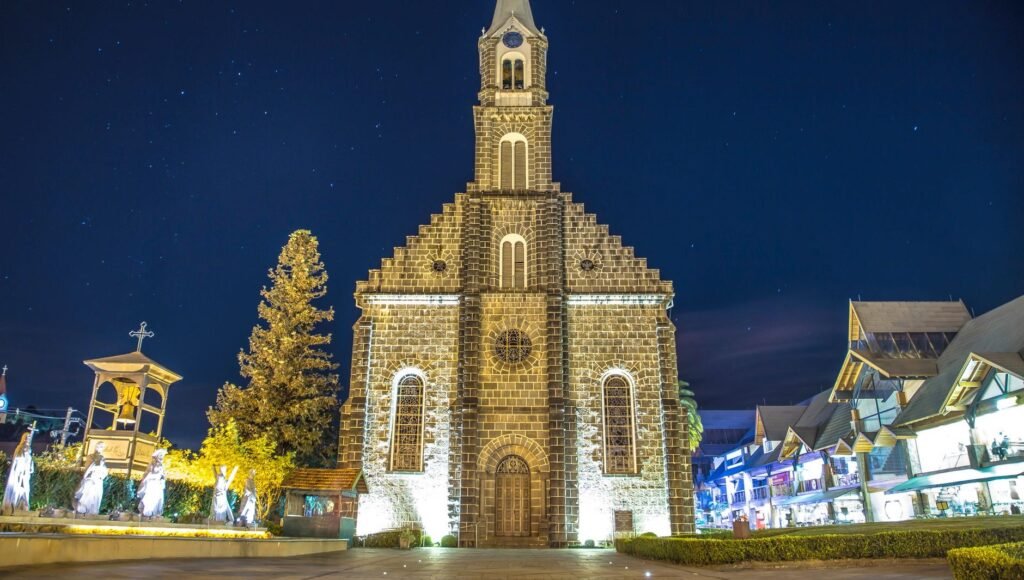
🇧🇷 POR | 🇫🇷 FR | 🇺🇸 EN | 🇪🇸 ES Gramado is often associated with an expensive trip—and the city does have upscale options for every profile. But how much does a trip to Gramado actually cost? The answer depends heavily on your choices: type of accommodation, dining, number of parks visited, and time of year. In this guide, you’ll find a complete and realistic budget, with reference values for different spending ranges. We’ll break down costs by category—transportation, lodging, dining, tickets, and extras—so you can put together the ideal budget for your traveler profile, whether budget-conscious, mid-range, or premium. Transportation: How Much It Costs to Get to Gramado The first major cost of a trip to Gramado is getting there. Since the city doesn’t have its own airport, access is via Porto Alegre (130 km) or Caxias do Sul (65 km). For a complete guide on transportation options, check out our article How to Get to Gramado: By Plane, Bus, or Car. In short, average transportation costs per person departing from São Paulo are as follows: by plane, the SP–POA airfare costs between R$ 250 and R$ 600 (one way), depending on how far in advance you book and the season. Add the Porto Alegre–Gramado transfer (R$ 180 to R$ 300 per person in a shared van, or R$ 500+ in a private car). Total per person: R$ 430 to R$ 900. By bus, the SP–Porto Alegre ticket (sleeper bus) runs around R$ 200 to R$ 350, and from the Porto Alegre bus station to Gramado, another R$ 60 to R$ 90. Total per person: R$ 260 to R$ 440. By car, fuel from SP to Gramado (1,150 km) ranges from R$ 350 to R$ 600 in gas (one way), with tolls adding R$ 80 to R$ 120. For groups of 4, driving your own car is usually the most economical option. Accommodation in Gramado: From Budget to Luxury Accommodation is often the biggest cost of a trip to Gramado. The city has options for every profile, but prices skyrocket during high season—Natal Luz, July, and Easter. Budget (hostels and simple inns): You can find beds in Gramado hostels for R$ 80 to R$ 140 per person/night. Double rooms in simple inns run between R$ 200 and R$ 350 per night outside of peak season. Mid-Range (inns and small hotels): The sweet spot in Gramado is the charming inns with included breakfast, which charge between R$ 380 and R$ 700 per night for two adults. These accommodations feature themed decor, well-kept gardens, and a hearty breakfast—the city’s strong suit. Premium (luxury hotels and resorts): Gramado has high-end options like Kurotel, Sheraton, and exclusive boutique inns. Prices range from R$ 900 to R$ 3,000 or more per night for two adults, especially during the Natal Luz period. Tip: Book at least 60 to 90 days in advance if you’re going during Natal Luz (October to January). Prices increase 50% to 100% compared to the low season, and the best accommodations sell out quickly. Dining: From Snacks to Fondue Gramado is a foodie city, and dining deserves special attention in your budget. The extremes are wide: you can have lunch for R$ 30 at a food court or spend R$ 200 per person on a fondue dinner with wine. Breakfast: Many inns include breakfast in the daily rate—and in Gramado, this breakfast is usually generous, with cakes, artisanal jams, cold cuts, eggs, and much more. If it’s not included, a full breakfast at a bakery runs between R$ 30 and R$ 60 per person. Lunch: A lunch at a self-service or pay-by-weight restaurant in the center costs R$ 35 to R$ 70 per person. More elaborate à la carte restaurants charge R$ 80 to R$ 150 per person with a drink. Fondue Dinner: Gramado’s most iconic dish. A complete fondue dinner (appetizer, cheese, and chocolate) for two at a renowned restaurant runs between R$ 300 and R$ 500, including drinks. If you want to save, there are more affordable options between R$ 150 and R$ 250 for two. Colonial Coffee: One of the most sought-after experiences in Gramado and Canela. Prices hover around R$ 80 to R$ 140 per person, featuring a table laden with breads, cakes, chocolate cakes, salamis, cheeses, and artisanal sweets. It’s usually served in the afternoon. Chocolates and Sweets: Gramado is famous for its artisanal chocolates. Set aside R$ 50 to R$ 150 to buy gifts and treats at the city’s chocolate shops. Tickets and Attractions: How Much It Costs to Visit the Parks Gramado and Canela have several parks and paid attractions. Check out the reference prices, which may vary by season: Mini Mundo: R$ 65 to R$ 80 per adult. One of Gramado’s most charming attractions, featuring miniature replicas of monuments from around the world. Well worth a visit, especially with kids. Snowland: R$ 150 to R$ 250 per person (price varies by chosen package and season). It’s Brazil’s only indoor snow park, with various activities in real snow. One of the priciest, but also one of the most unique. Gramado Zoo: R$ 60 to R$ 80 per adult. A modern zoo focused on animal welfare, with various species in natural habitats. Knorr Park: Free entry or a symbolic fee. A public park with a lake, trails, and beautiful landscapes. A great option to save money without missing out on a scenic outing. Caracol Park (Canela): R$ 25 to R$ 40 per adult. A must-see to view the famous Caracol Waterfall—a 131-meter (430-foot) cascade. Located in Canela, 7 km from Gramado. Canela Aerial Tram: R$ 60 to R$ 90 per person. A cable car with stunning views of Caracol Park. It tends to have a line, so arrive early. Total Budget: Practical Examples by Profile To make planning easier, here are three budget examples for a 4-day, 3-night trip to Gramado for two people, departing from São Paulo by plane: Budget Profile (total: ~R$ 3,000 for two): Discount flight (R$ 350 per person), shared transfer (R$ 200 per person),
2 Days in Gramado: The Essentials for Your Visit
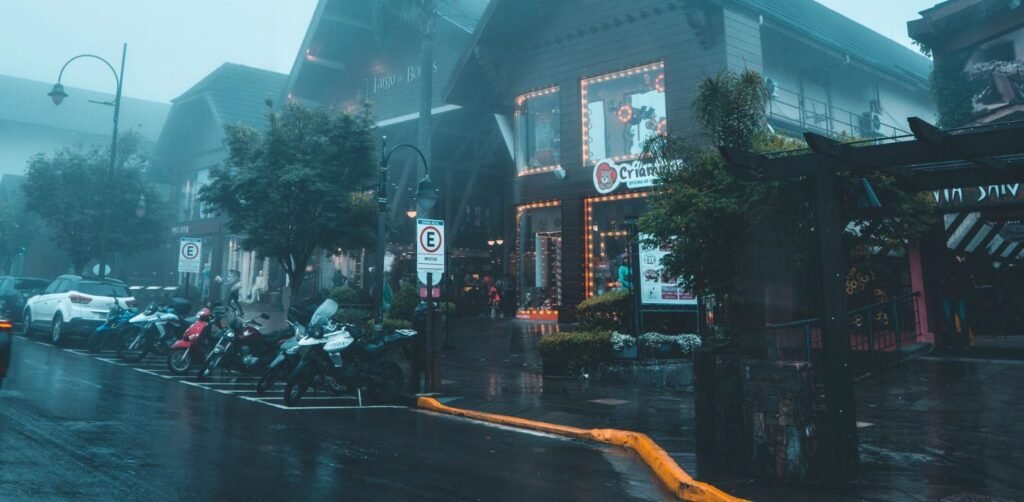
🇧🇷 POR | 🇫🇷 FR | 🇺🇸 EN | 🇪🇸 ES Gramado is deceptive. You arrive, see the small, compact center, and think: “Can I really do everything in two days?” Yes, you can — if you know what to choose. The historic center, Black Lake, one theme park, and Canela: that’s the core experience, and you can fit it all into a Saturday and Sunday without feeling like you’re on a marathon. The logic of this itinerary is simple: Day 1 in Gramado’s center and Black Lake. Day 2 at a theme park and neighboring Canela. If you arrive Friday night, enjoy a good dinner, sleep well, and start Saturday rested. No rushing, no endless list. Gramado’s center blends European architecture with the lush nature of the Serra Gaúcha. | Photo: Zeca Souza / Pexels Before You Start: What to Know About Gramado in 2 Days Gramado is located in the Serra Gaúcha, about 115 km from Porto Alegre via the BR-116 highway. The drive takes around 1h30 — longer in high season when traffic up the mountain gets heavy. By bus from Porto Alegre, the companies Citral and JBL run the route daily. For getting around Gramado on Day 1, you’ll mostly be on foot. The center, Rua Torta, and Black Lake are all within 2 km of each other. For Canela on Day 2, you’ll need a car, Uber, or taxi — it’s 7 km and less than 15 minutes away. Uber works, but availability can be spotty during peak times. Have a local taxi number as a backup. About the weather: bring a jacket no matter the month. In winter (June–August), it can get genuinely cold — zero degrees isn’t uncommon. In summer, the days are mild and the nights are cool. The mountains always call for an extra layer. Day 1 in Gramado: Center, Rua Torta, and Black Lake Morning — Breakfast and Rua Torta Don’t try to head out before having a good coffee. Gramado has cafés with rye bread, colonial cheese, and homemade jams that will make you want to sit there all morning. Consider this your first activity of the day, not a break. Afterward, head to Rua Torta. The name explains the look: it’s the curve formed by Rua Garibaldi and Avenida das Hortênsias, lined with half-timbered houses, flowers in the windows, and well-kept gardens. Free. It takes about 30 minutes to stroll leisurely and stop for photos. It’s the kind of place that appears on every Gramado brochure — and that, in real life, still impresses. Gramado is known for the half-timbered architecture inherited from German immigrants in the Serra Gaúcha. | Photo: Joerg Hartmann / Pexels Next, stop by Praça Major Nicoletti — Gramado’s nerve center. The surrounding streets are filled with artisan chocolate shops. Taste before you buy: the difference from industrial chocolate is huge, and it’s worth taking some boxes as gifts. Just don’t fill your backpack at the start of the day. Afternoon — Lunch and Black Lake For lunch, stick to the center. Italian influence is on every menu — fresh pasta with funghi or bolognese sauce is a safe bet. The average price ranges from R$40 to R$100 per person, depending on the place. Near Praça Major Nicoletti, you’ll find options for different budgets. After eating, head to Black Lake. Free entry. The full walk around the lake takes about 40 minutes at a relaxed pace — among hydrangeas, araucaria pines, and the green reflection of the vegetation on the water. This is where Gramado most feels like a real European town: the silence, the landscape, the cool air on your face. Want an extra experience? The paddle boats run from 8:30 am to 6 pm. The swan-shaped ones cost R$50 for two people; the pirate ship style, R$60 for up to four (two adults and two children up to 10 years old). Seniors over 60 get a discount. On holidays, the line can be long — arrive in the morning if you want to avoid the wait. Important note: If you enjoyed this first day and are thinking about coming back with more time, it’s well worth checking out our complete 4-day Gramado itinerary — there you’ll find attractions that don’t fit into two days, like Knorr Park, the Serra wineries, and a more detailed visit to Canela. Evening — Dinner in Gramado Day 1’s evening calls for fondue. Not because it’s touristy — because it makes sense. On a cold day in the mountains, a pot of melted cheese with bread and red wine feels like a ritual. Cheese fondue, meat fondue, and chocolate fondue are the most common options, usually between R$90 and R$160 per person. Another good option is a colonial coffee in the afternoon. It’s not a snack: it’s a full meal with pies, breads, cold cuts, cheeses, sweets, and more desserts than you’ll be able to eat. Colonial coffee houses usually stop serving between 7 pm and 8 pm — plan your afternoon schedule with that in mind. Day 2 in Gramado: Theme Park and Canela Morning — Choose One Theme Park With only two days, pick one park. Trying to fit in two results in two mediocre visits. Each park deserves time. The main options: Mini Mundo (Rua Horácio Cardoso, 291) is the classic choice. It features 1:24 scale replicas of monuments from around the world — the level of detail is surprising. Open daily from 9 am to 5 pm. Adult tickets from R$88 online; children and seniors, R$48. Children up to 2 years old are free. Set aside at least 2 hours. Buy in advance on the official Mini Mundo website. Snowland is for those who want real snow. Ski slopes, toboggan runs, sleds, and real snow year-round — the only park of its kind in Brazil. Especially recommended for children and anyone who has never seen snow. Check availability and times on their website before you go. GramadoZoo works well for younger children, ages 3 to 8. It’s calmer,