Hotels Near Catedral de Pedra in Canela
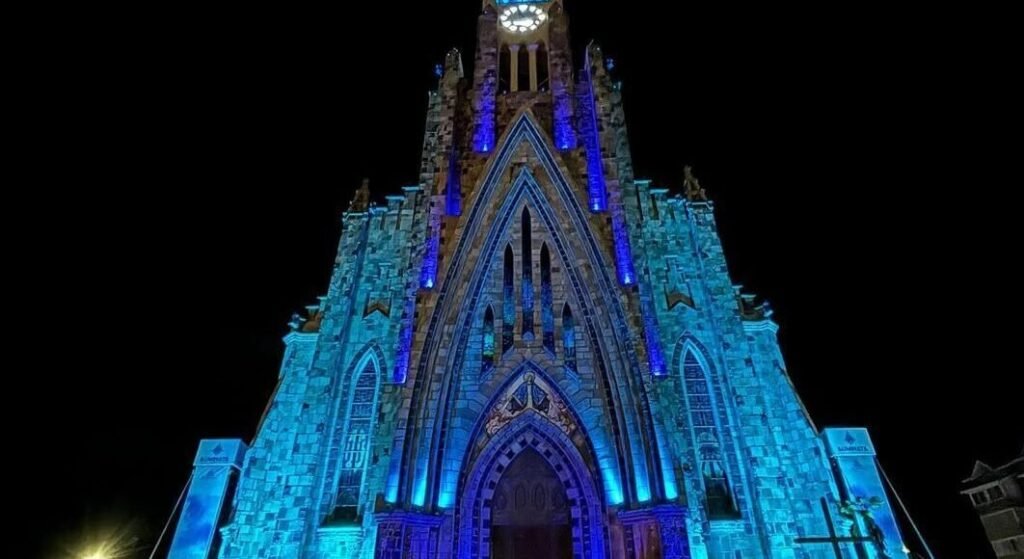
Find the best hotels near Catedral de Pedra in Canela, Brazil. Check out our top picks for charming pousadas and boutique stays in the heart of Serra Gaúcha.
Three Free Attractions Near Canela’s Stone Cathedral
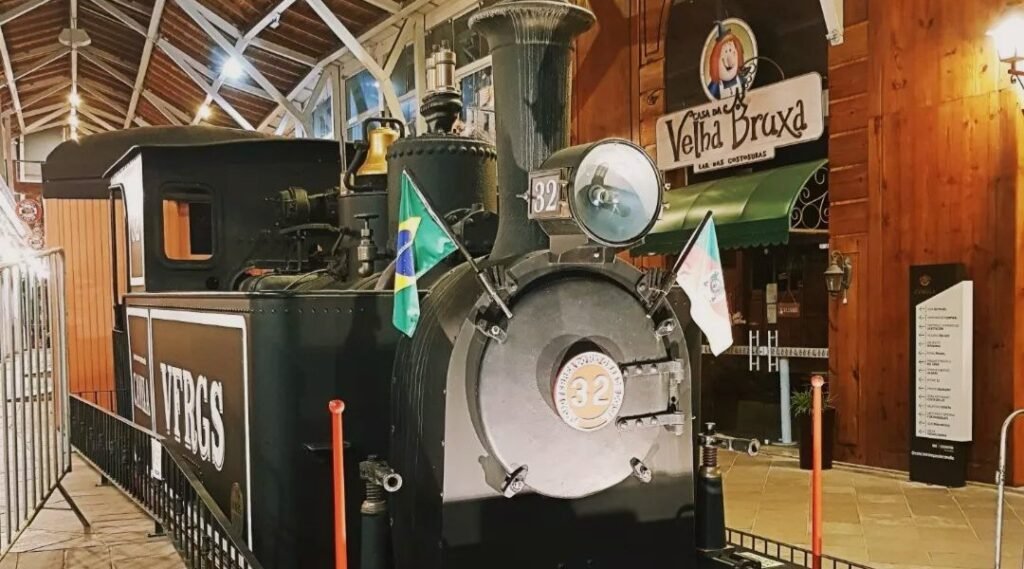
Discover three free attractions near Canela’s Stone Cathedral: Parque do Lago, Estação Campos de Canella, and Praça João Corrêa. Perfect for budget-friendly exploring!
The Stone Cathedral of Canela: Discover Its History
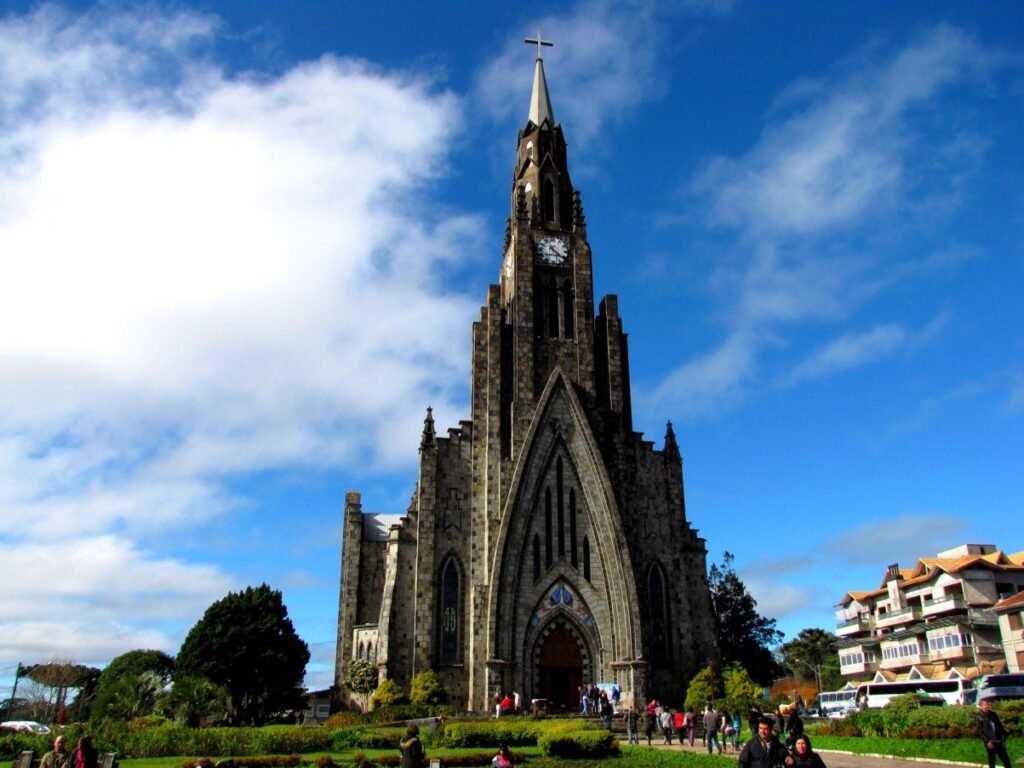
Explore the history, architecture, and light show of Canela’s Stone Cathedral, one of Brazil’s 7 wonders and a top Serra Gaúcha attraction.
Snowland Gramado: Everything You Need to Know Before You Go

Plan your visit to Snowland Gramado, Brazil’s indoor snow park. Get tips on tickets, attractions, what’s included, and how to make the most of your day.
The Eternal Love Fountain and St. Peter’s Church in Gramado
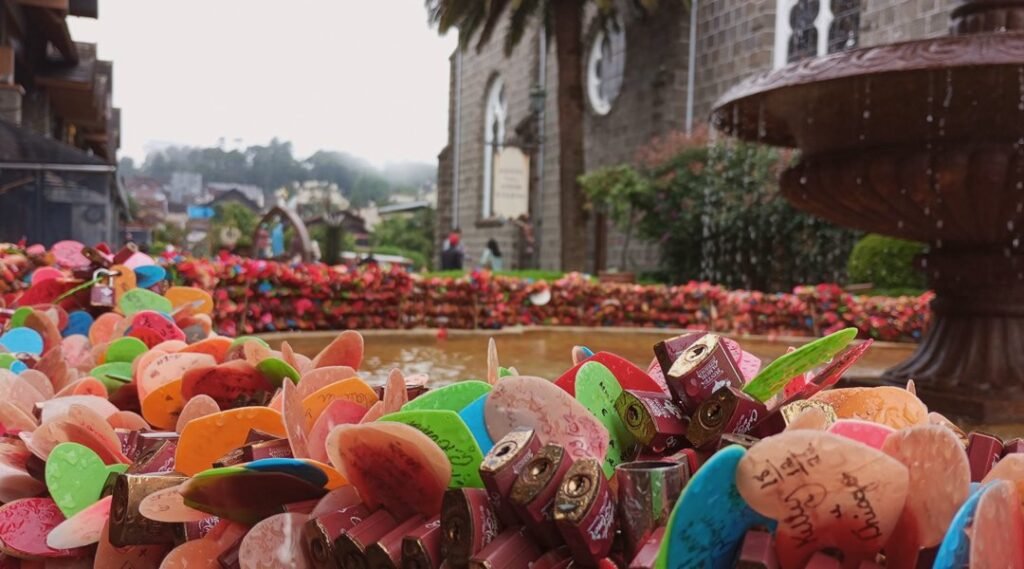
Discover the Eternal Love Fountain in Gramado, where couples leave padlocks as a symbol of everlasting romance, right next to the stunning St. Peter’s Church.
Gramado Without a Car: Uber, Bustour, or a No-Line Transfer
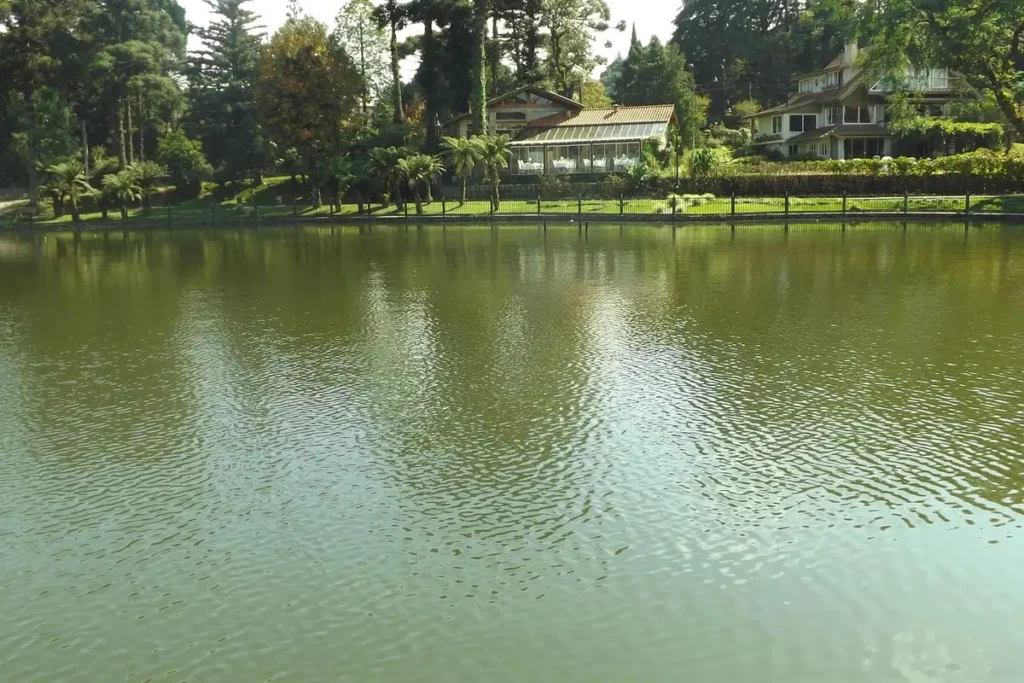
Explore Gramado without a car using Uber, Bustour, or a transfer. Get practical tips for getting around by area, beating the crowds, and saving time.
Porto Alegre Airport to Gramado: Skip the Wait
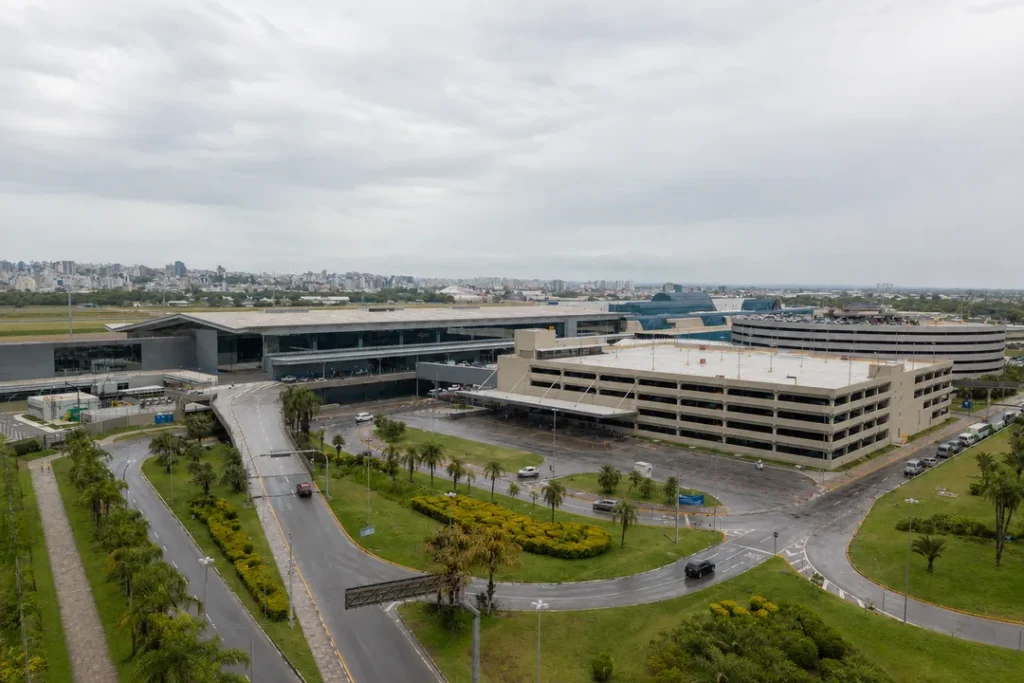
🇧🇷 POR | 🇫🇷 FR | 🇺🇸 EN | 🇪🇸 ES Arriving at Salgado Filho International Airport and heading to Gramado means choosing between time, comfort, and independence. The roughly 115 km route usually takes about two hours in good conditions, but buses, transfers, and rental cars change the experience quite a bit—especially after a late-night flight or on a rainy day. From Porto Alegre Airport to Gramado, a private transfer is the most direct option; shared transfers and buses work best if you’re okay with fixed schedules; and a rental car makes sense when you also want to explore Canela and the surrounding area. Build in a generous buffer between landing and departure: baggage claim, flight delays, and traffic on the climb to the mountains rarely respect a tight itinerary. In this article Bus, transfer, or rental car How long it takes from Porto Alegre Airport to Gramado Late-night arrival without a tight connection Which option to choose Frequently asked questions Porto Alegre Airport to Gramado: your transportation options You can leave the terminal by regular bus, shared transfer, private transfer, or rental car. The best choice depends less on distance and more on your arrival time, the number of people in your group, and how much you plan to get around in the Serra Gaúcha region. Arrival and access points at Salgado Filho International Airport on a rainy day. | AI-generated editorial image — Photo: AI-generated editorial image Bus The bus is usually the lowest-cost option, but it requires extra attention to the boarding point and the schedule. Some services pass by the airport, while others require a trip to the bus station; confirm the exact location and baggage policy before buying a ticket. It’s a good choice if you land during the day, travel light, and don’t have a commitment right after arriving. Shared transfer With a shared transfer, you book a seat and follow a scheduled departure. It saves you from driving and can leave right from the airport, but waiting for other passengers and hotel stops add time to your door-to-door trip. It works best when your flight arrives with a comfortable buffer before the contracted time. Private transfer A private transfer is usually the most predictable option after a flight: the driver tracks your flight time and the car heads straight to your hotel, with no stops for other groups. For families, lots of luggage, kids, or late arrivals, that predictability matters more than the price difference. When comparing companies, check whether the meeting point is at arrivals, how flight delays are handled, and if there’s a surcharge for late-night pickups. If you’d rather have your transportation sorted, you can check out a Serra Gaúcha tour departing from Porto Alegre; check the activity page to see if the meeting point and format fit your travel plans. Rental car Renting at the airport gives you the freedom to fit in Canela, parks, and restaurants outside the center at your own pace. On the flip side, you’re responsible for picking up the vehicle, driving, fuel, and parking. If you’re arriving tired or aren’t used to driving in the mountains and rain, that independence can turn into a chore on your first night. How long it takes from Porto Alegre Airport to Gramado Under normal conditions, plan for about two hours between Salgado Filho Airport and Gramado. In practice, treat those two hours as driving time, not as the total clock time from the arrivals door to your hotel. Picking up your bags and finding your driver easily adds 30 to 50 minutes. With rain, fog, traffic leaving Porto Alegre, roadworks, or slow vehicles on the mountain, the trip can stretch even longer. With a shared transfer, also factor in the waiting window and drop-offs for other guests. Option Trip pace Best for Watch out for Bus Fixed schedule and possible connection Budget-conscious travelers Don’t book a departure too close to landing Shared transfer Scheduled departure with possible stops Travelers without a car and with flexible plans Expect more door-to-door time Private transfer Direct to your hotel Families, groups, and late-night arrivals Confirm delay and late-night policies Rental car Flexible, at your own pace Those who want to explore beyond the center Pickup, rain, and parking If you have a scheduled commitment in Gramado, add at least an hour of buffer beyond driving time. That’s what keeps a baggage delay or rain from turning into a race against the clock. Late-night arrival: how to avoid waits and tight connections For late-afternoon, evening, or early-morning landings, the safest bet is to have your transportation confirmed before you board. Buses and shared transfers depend on schedules and availability; if your flight is delayed, the next departure might not be soon. Arrivals area and access points at Salgado Filho International Airport in the late afternoon. | AI-generated editorial image — Photo: AI-generated editorial image Share your flight number, estimated arrival time, and a phone number that works in Brazil with the transfer company. If you’re renting a car, check what time the rental agency stops handing out vehicles, and consider staying overnight in Porto Alegre if the pickup or the drive to the mountains is already cutting it close. Porto Alegre Airport also lists transfer options at the terminal, but you’ll need to confirm availability and terms for your specific date. Avoid planning a 30- or 40-minute connection between landing and catching a bus. Even on an on-time flight, deplaning, a restroom stop, baggage claim, and the walk to the meeting point eat up that time. For your first night, arrange a late check-in with your hotel and keep the front desk number handy. Which option is worth it most For a solo traveler arriving during the day with no rush, a bus or shared transfer might be enough. For two or more people with luggage, compare the total cost of a private transfer: the per-person difference can be small, while the logistics improve dramatically. A rental car wins when your trip includes more spread-out
Mini Mundo Gramado: What’s Inside and Is It Worth It?
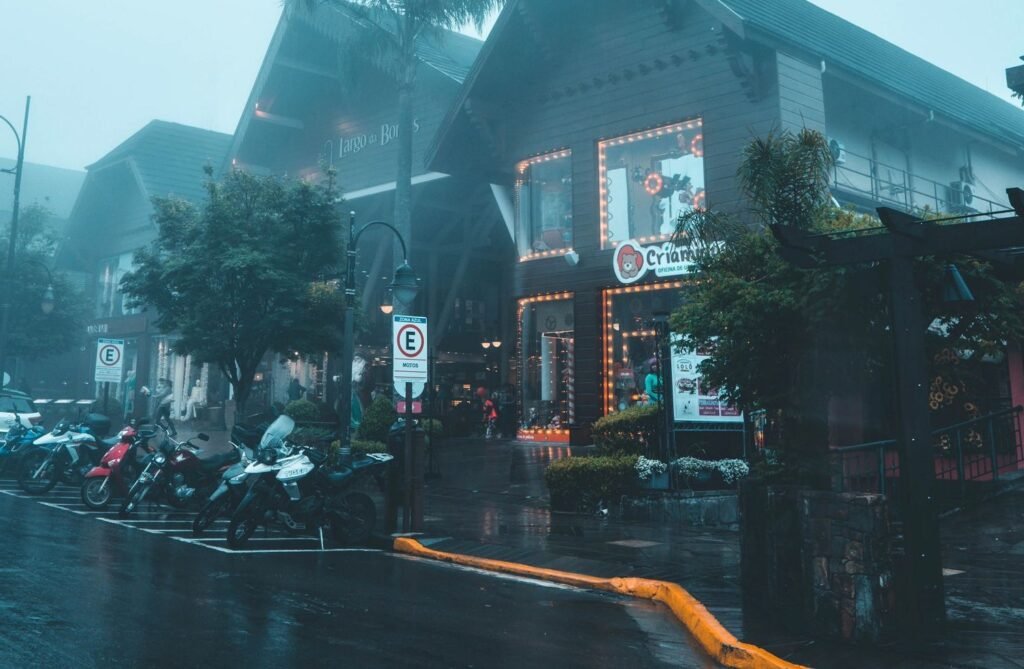
🇧🇷 POR | 🇫🇷 FR | 🇺🇸 EN | 🇪🇸 ES If there’s one attraction that tends to surprise first-time visitors to Gramado, it’s Mini Mundo. The name might sound like “kid stuff,” but just a few steps inside and you’ll realize this place is bigger (and more detailed) than it seems from the outside. I’ve lost count of how many times I’ve heard someone say, “Let’s skip this one, it looks silly,” only to watch them leave an hour and a half later, still snapping photos of tiny trains. So let’s get straight to the point: what’s inside Mini Mundo Gramado, how much does it cost, how much time should you set aside, and who is it really worth it for? What Is Mini Mundo Gramado? Mini Mundo is an outdoor theme park dedicated to scale models and miniatures. The core idea is simple: recreate real and fictional scenes in miniature—European castles, train stations, alpine villages, a full airport with a plane landing—all with a level of detail that impresses even those who aren’t into model-building. The park sits in a green area, with wooden walkways connecting the different sections, so the visit also doubles as a peaceful outdoor stroll—a welcome break in the middle of a packed Gramado itinerary. Photo by PixelPly on Pexels. Photo by PixelPly | Pexels What You’ll Find Inside the Park Mini Mundo is divided into themed areas, and the fun is in wandering through each one without rushing. Some highlights that usually grab the most attention: European Village and Medieval Castle Half-timbered houses, churches with ringing bells, a castle surrounded by walls, and even tiny human figures scattered along the streets in everyday scenes. It’s the kind of detail that makes you crouch down for a closer look, discovering something new with every inch. Train Station and Moving Trains Probably the busiest part of the park. The trains run on a schedule, crossing bridges, tunnels, and stations—and they draw a crowd of people with phones out, waiting for the next train to pass by. Airport with a Taking-Off Plane One of the most elaborate attractions: a replica of a full airport, complete with a runway, hangars, and a plane that “takes off” at set times. Keep an eye on the schedule displayed in the park so you don’t miss the moment. Christmas Scenes and Nighttime Lighting Depending on the time of year (especially around the Natal Luz festival), parts of the park get themed decorations and special lighting, which completely changes the vibe—consider going late afternoon during these periods. Photo by Neville Hawkins on Pexels. Photo by Neville Hawkins | Pexels How Much Time to Set Aside for Mini Mundo For a relaxed visit without rushing, plan for 1.5 to 2.5 hours. Families with young kids tend to stay longer because there’s always another model catching their eye, and the moving trains keep the little ones entertained for a good while. If you’re organizing your day’s itinerary, you can easily pair Mini Mundo with a more intense attraction—like a snow park—without messing up your schedule, since it’s usually close to Gramado’s tourist center. Prices and Opening Hours The park is normally open every day from 9 AM to 5 PM (hours may change on special dates, so check the official website before you go). As for prices: adult tickets usually start around R$ 60 to R$ 70, with half-price entry for students, seniors 60 and over, children ages 3 to 15, and people with disabilities. Prices vary by season (high season—July, December, and January—tends to be a bit higher), and the park often has special promotions for Rio Grande do Sul residents. Practical tip: buy your ticket in advance on the official Mini Mundo website. Besides skipping the line at the entrance, you’ll often find discounts for online purchases. How to Get There Mini Mundo is located on Avenida Bento Gonçalves, near Gramado’s center, in an area that’s easy to reach on foot or by car from most inns and hotels in the central region. It has its own parking lot for those driving. If you don’t have a car, taxis and ride-sharing apps work well in Gramado, and the trip from the center usually takes just a few minutes. Who Mini Mundo Is Best For To be direct: families with kids between 3 and 12 years old get the most out of Mini Mundo. The combination of moving trains, miniature characters, and open-air spaces to walk around usually appeals a lot to this age group. But it’s not just for kids. Couples and groups of friends also have a great time—especially those who love photography, since the scenes are incredibly photogenic, with good natural light during the day. If your itinerary is shorter (two or three days) and you need to prioritize, Mini Mundo falls into the “light activity, good to fit between other things” category—it’s not the kind of park that needs to be the highlight of your day, but it complements other stops well. Tips for Making the Most of Your Visit A few things that make a difference when visiting: Take your time on the walkways—it’s easy to rush past and miss the tiny details that make the models so special. Keep an eye on the train and airport plane schedules: these are the moments that draw the biggest crowds and lines. Bring a jacket even on sunny days—temperatures in Gramado drop fast, especially near late afternoon. If you’re going with young kids, consider going early in the morning when the park is emptier and they have more room to explore. Take advantage of the benches scattered around the park—it’s a relaxing outing, no need to rush from one attraction to the next. Best Time to Visit Mini Mundo is open year-round, so there’s no “wrong time” to go. Still, it’s worth considering: In winter (June to August), the park pairs well with the Serra Gaúcha climate—mild cold, possible fog, and even frost on some days, which adds an extra charm to the European-style
Colonial Coffee in Gramado and Canela: The Complete Guide

🇧🇷 POR | 🇫🇷 FR | 🇺🇸 EN | 🇪🇸 ES Photo by TBD Tuyên on Pexels. If there’s one food experience that defines a trip to Gramado and Canela, it’s the colonial coffee. More than just a meal, the colonial coffee is a celebration of the European immigrant heritage that settled the Serra Gaúcha region—a lavish table with dozens of options for breads, fruit cakes, jams, cured meats, cheeses, and sweets, served in settings that evoke the farmhouses of southern Brazil. In this guide, you’ll learn about the origins of this tradition, what to expect from a colonial coffee table, average prices, and tips for choosing and booking yours, whether in Gramado or Canela. The origin of colonial coffee in Serra Gaúcha The colonial coffee was born from the abundant tables of German and Italian immigrants who settled in Rio Grande do Sul starting in the 19th century. On rural properties, it was common for families to gather around a large table in the late afternoon, with homemade goods: breads, fruit cakes, seasonal fruit jams, cured meats like salami and copa, colonial cheeses, and fresh butter. This originally domestic habit was transformed into a tourist attraction from the 1970s and 1980s onward, when hotels and restaurants in the region realized the potential of this experience for visitors. Today, the colonial coffee is one of the main culinary draws of Gramado and Canela, especially during winter, when the mountain chill pairs perfectly with hot drinks, fondues, and loaded tables. But keep in mind: this is an experience you can enjoy any time of year, not just during the peak July season. What to expect from a colonial coffee table A traditional colonial coffee table typically features between 40 and 100 different items, depending on the establishment. Highlights include: assorted breads (corn, whole wheat, potato), fruit cakes in various flavors (the classic banana and cinnamon cake is almost mandatory), artisanal jams made from fruits like blackberry, grape, and fig, cured meats (salami, copa, ham), fresh and aged cheeses, butter and cream, eggs, fresh and candied fruits, sweet and savory pies, cakes, butter cookies, and of course, freshly brewed drip coffee, along with teas and hot chocolate. In many places, the colonial coffee is served buffet-style, with constant replenishment—which means it’s worth taking it slow, sampling a bit of everything, and saving room for the sweets at the end. Some establishments also include hot items like grilled bread, made-to-order omelets, or pancakes, making the experience even more complete. Photo by Yaroslav Shuraev on Pexels. A typical menu, item by item For those who have never experienced a colonial coffee, it’s worth detailing what usually makes up the table. In the bread and pastry section, you’ll commonly find homemade white and whole wheat bread, cornbread, potato bread, cornmeal cake, and of course, the fruit cakes—a German recipe that becomes a kind of “flat cake” topped with sweet crumble, with flavors like banana, grape, plum, and cinnamon. In the cold cuts and savory section, you’ll find colonial cured meats like Italian-style salami, copa, cured ham, and artisanal mortadella, along with fresh cheeses, aged cheeses, and creamy requeijão—many produced by small local dairies. To accompany them, homemade butter, cream, and fruit jams like blackberry, grape, fig, blueberry, and pumpkin with spices are practically ubiquitous. As for sweets, it’s common to find cakes of different flavors (orange, cornmeal, chocolate, carrot), pies (lemon, strawberry, walnut), butter cookies, preserved fruits, fresh seasonal fruits, and in some places, even artisanal chocolates—after all, the region is also known for its fine chocolate production. For drinks, besides freshly brewed drip coffee (served continuously), there are usually assorted teas, natural juices, and in some establishments, creamy hot chocolate, which makes all the difference on cold days. Average prices The prices of colonial coffee in Gramado and Canela vary quite a bit depending on the establishment, the number of items offered, and whether the meal is included in your accommodation or sold separately. Generally speaking, you can find simpler options for prices close to an executive lunch, while the more traditional and complete colonial coffees—with a greater variety of items and more elaborate settings—usually cost the equivalent of a dinner at a mid-range restaurant per person. Children often get a discount, and some places charge different rates for breakfast, afternoon coffee, and dinner in the colonial format. It’s always worth confirming what’s included in the price (hot drinks, juices, service charge) before sitting down, especially on high-demand dates. Even outside peak season, it’s a good idea to check in advance if your chosen spot is operating normally, as some reduce their operating days during slower periods, like certain weeks in fall and spring. Where to find colonial coffee in Gramado Gramado concentrates most of the colonial coffee offerings in the region, with places ranging from simple, family-run setups to large themed halls decorated with references to the half-timbered architecture typical of the city. Many are located along Avenida das Hortênsias and in neighborhoods near the center, easily accessible on foot or by car from the main hotels. Some traditional houses operate in a fixed-time “afternoon coffee” format, while others also offer the service at breakfast or as dinner. It’s worth researching in advance whether the place works with one or more shifts, since during peak season (especially July), the most well-known houses often fill up quickly. Photo by Pew Nguyen on Pexels. Where to find colonial coffee in Canela Canela, Gramado’s neighbor, also has great colonial coffee options, usually in slightly smaller, more family-oriented houses, with prices on average a bit more affordable than those in Gramado. Many of these places are on properties with gardens or nature views, which fits well with the city’s quieter profile, known mainly for Caracol Park and nature trails. For those staying in Canela who want to avoid the traffic into Gramado (especially on weekends and peak holiday periods), it’s worth considering one of the local options—the quality and variety are usually very good, with the added advantage of generally less crowded
Natal Luz 2026 in Gramado: Dates and Season Highlights

🇧🇷 POR | 🇫🇷 FR | 🇺🇸 EN | 🇪🇸 ES The 2026 edition of Gramado’s Natal Luz promises to be the biggest ever, with a groundbreaking innovation that will leave everyone in awe: a show featuring over 1,100 illuminated drones in the sky. If you’re a fan of technology, Christmas magic, and unforgettable moments, this is the year to visit the Serra Gaúcha region. Photo by Mateusz Feliksik on Pexels. When is Natal Luz 2026? Natal Luz 2026 kicks off on October 23, 2026, and runs through January 18, 2027 — three full months of celebrations, special events, and Christmas experiences. Unlike the traditional Christmas calendar (December), the festival stretches over a much longer period, allowing more people to soak in the festive magic. This extended calendar is strategic: it starts before All Souls’ Day, overlaps with the European summer holidays (a peak tourism period), spans the Brazilian summer, and extends the experience into January. In other words, you can visit almost any month and find Natal Luz in full swing. The Grand Drone Spectacle: 1,100 Machines in the Sky The main highlight of 2026 is undoubtedly the new drone show. After the Grand Christmas Parade (already a feast in itself), the sky over Gramado lights up with over 1,100 drones forming figures, words, and Christmas designs synchronized to music. This type of spectacle is rare in Brazil and even across Latin America. Think of how fireworks work — now imagine something far more controlled, detailed, capable of creating complex shapes, precise colors, and even animating characters. It’s cinema in the sky. Drone show technology has been growing worldwide — brands like Intel, Nvidia, and Chinese tech companies use drones to create breathtaking shows at festivals around the globe. What makes Gramado’s show special is the scale: 1,100 drones operating simultaneously requires GPS systems, flight synchronization, and coordination that only the world’s top producers can pull off. Expecting this to be one of the largest drone shows in Brazil in 2026 is realistic. Photo by Ricardo Kirinus on Pexels. Nativitaten: The Magical Nativity Reenactment Beyond the drones, 2026 marks the return of Nativitaten, an outdoor spectacle that recreates the story of Jesus’ birth. With actors, special effects, real animals, and breathtaking sets, it’s one of the program’s main highlights. This is one of the elements that sets Natal Luz apart from other Christmas festivals in Brazil — few have the production and scale to create a reenactment of this magnitude. Nativitaten isn’t exactly new for longtime visitors, but the 2026 edition comes with technical upgrades and an even more robust production. If you want full immersion in the Christmas story and pure emotion, set aside a night for this show. Most people who watch it report it as a moving and even emotional experience — there’s something magical about seeing such an important story recreated live with so much care. Event Schedule: What Happens Every Day Natal Luz isn’t just a static park — it’s a living festival with a daily schedule. You’ll find: Musical shows: live performances by Brazilian and international artists. Themed parades: the Grand Christmas Parade remains the festival’s climax. Monologues and theater acts: Christmas reenactments spread across various city spots. Kids’ activities: workshops, games with themed characters, play areas. Markets and fairs: handicrafts, local foods, hot drinks, and Christmas items. Special gastronomy: restaurants and food trucks with Christmas-themed dishes. Exhibitions and installations: Christmas art, interactive photo setups, contemplation areas. Photo by Vitali Adutskevich on Pexels. Santa Run and Walk: November 26, 2026 One of the fastest-growing events each year is the Santa Run and Walk, held on November 26. Thousands of people dress up in Christmas costumes (Santa Claus, reindeer, angels, elves) and run through Gramado’s streets in a totally fun atmosphere. This is one of the most photographed events of the festival — the Guinness World Records has even recognized Gramado’s Santa Run as one of the largest gatherings of Santas in a single event. It’s a great opportunity for those who enjoy physical activity or simply want to join in the collective fun. Even if you don’t want to run, watching the event is a unique experience — the creativity of the costumes is impressive. There are prizes for the best costumes, and the collective energy is contagious. How to Get There and Best Time to Visit Gramado is located in the Serra Gaúcha region, about 80 miles from Porto Alegre. You can get there by: Car: about 2 hours from Porto Alegre via BR-116 and then RS-9. The road is well-signposted and in good condition. Parking in Gramado can get expensive during Natal Luz — consider leaving the car at the hotel and using public transport/walking. Bus: several companies offer direct trips from Porto Alegre, Caxias do Sul, and neighboring cities (3-4 hours). It’s the most economical and least stressful option. Plane: fly into Porto Alegre (direct flights from Rio, São Paulo, Brasília) and rent a car or take a bus/transfer to Gramado (30-45 min extra). Day trip: if you’re in Porto Alegre or Caxias do Sul, Gramado is close enough for day visits, though you’ll miss out on a lot. Ideally, stay at least one night. Since Natal Luz lasts 3 months, any period is good, but there are important differences: October (opening): pleasant weather (68-77°F), smaller crowds, the “premiere” experience with everything fresh. Great for those who dislike crowds. November-December: classic, large crowds especially on holidays and weekends, cooler winter weather starting (59-68°F), more traditional Christmas atmosphere. January: higher temperatures (Brazilian summer with 77-86°F), large crowds, reduced schedule (festival ends on the 18th), good for those who prefer heat. Prices and Tickets: What to Expect Natal Luz charges admission for most main attractions, though certain city spots are free (like decorated streets and some walking areas). Prices usually vary quite a bit depending on the season, ticket type, and chosen attractions. As a general rule for 2026 (based on 2025): Tickets for parks and main attractions: from R$ 80 to R$ 150 (2025 values, likely